




6th June 2026, Saturday
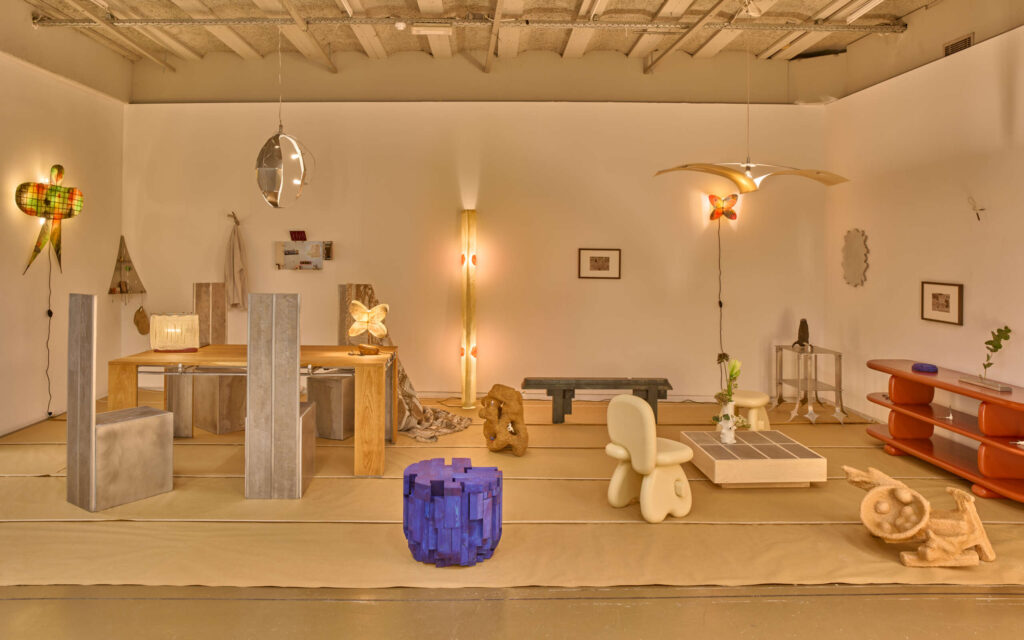
Objekt Gallery (MAIN)

Collectible Brussels 2026: The Rise of Radical Craft and Contemporary Narratives

Collectible Brussels 2026 Held within the modernist volumes of the Vanderborght Building, Brussels reaffirmed its position as one of the most forward-thinking platforms for contemporary collectible design.

Now in its ninth edition, the Collectible Brussels brought together over 100 galleries, studios, and independent designers, attracting a global audience of collectors, curators, and architects.

Unlike traditional fairs rooted in production-led design, Collectible operates at the intersection of art, architecture, and experimentation—foregrounding unique pieces, limited editions, and conceptual works that challenge established typologies.

A Fair Defined by Experimentation

At its core, Collectible is less about market trends and more about design as inquiry. Across the fair, objects were presented as research-driven outcomes—exploring material, process, and narrative rather than purely functional resolution.

Installations throughout the venue transformed the building into a layered landscape of textures and atmospheres, where each gallery constructed its own spatial language.

This shift—from object to environment—signals a broader evolution in collectible design: one where the experience of encountering the work becomes as significant as the work itself.

Highlights: Where Material Meets Imagination

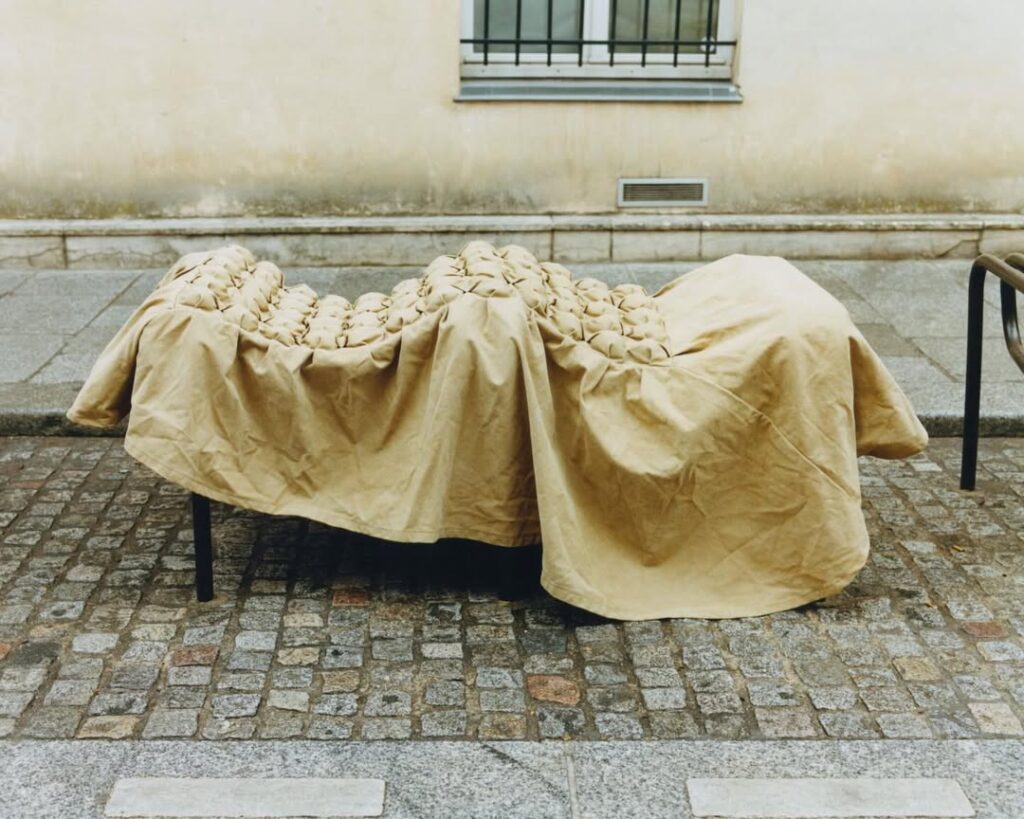
Among the most compelling presentations was Galerie MANIERA’s solo showcase, which unveiled new works including the “Ravioli” chair—an object that merges softness and structure into an almost surreal domestic form.

ravioli chair_Photography by Vittorio Franzolini

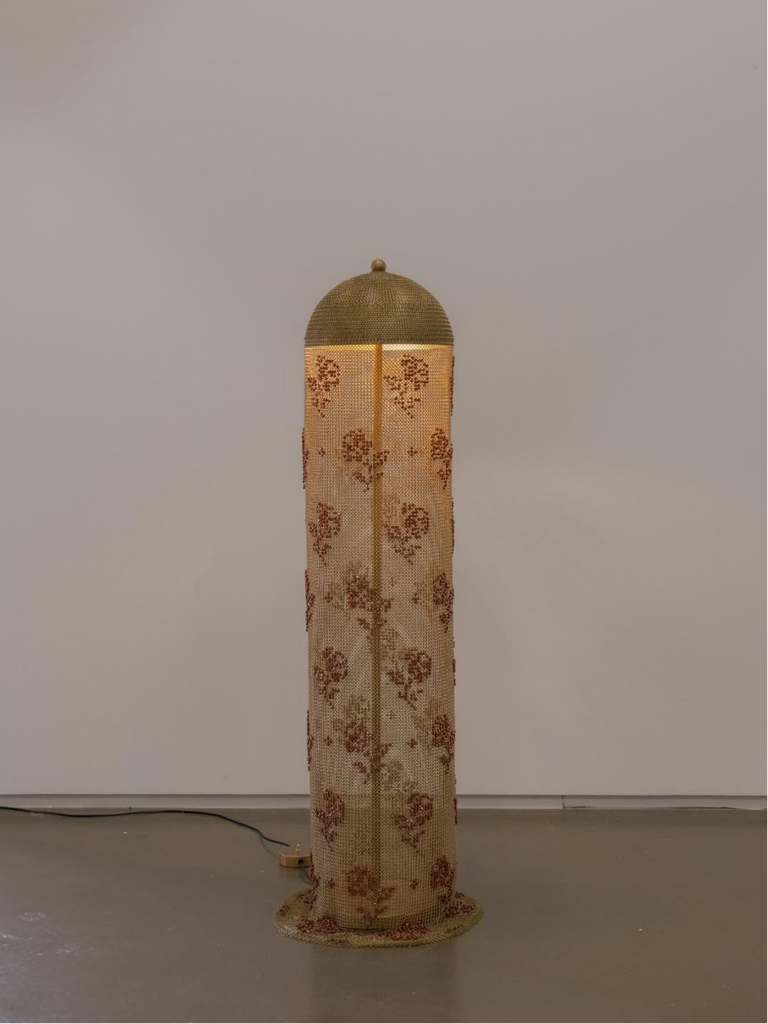
COUR offered a contrasting approach, moving away from minimalism toward a richer, more tactile scenography. Their installation featured warm-toned materials and layered compositions, emphasizing the emotional and sensory potential of design objects.

Wretched Flowers, Installation View presented by COUR Space at Collectible Design, 2026. Photo by Jules Ange.

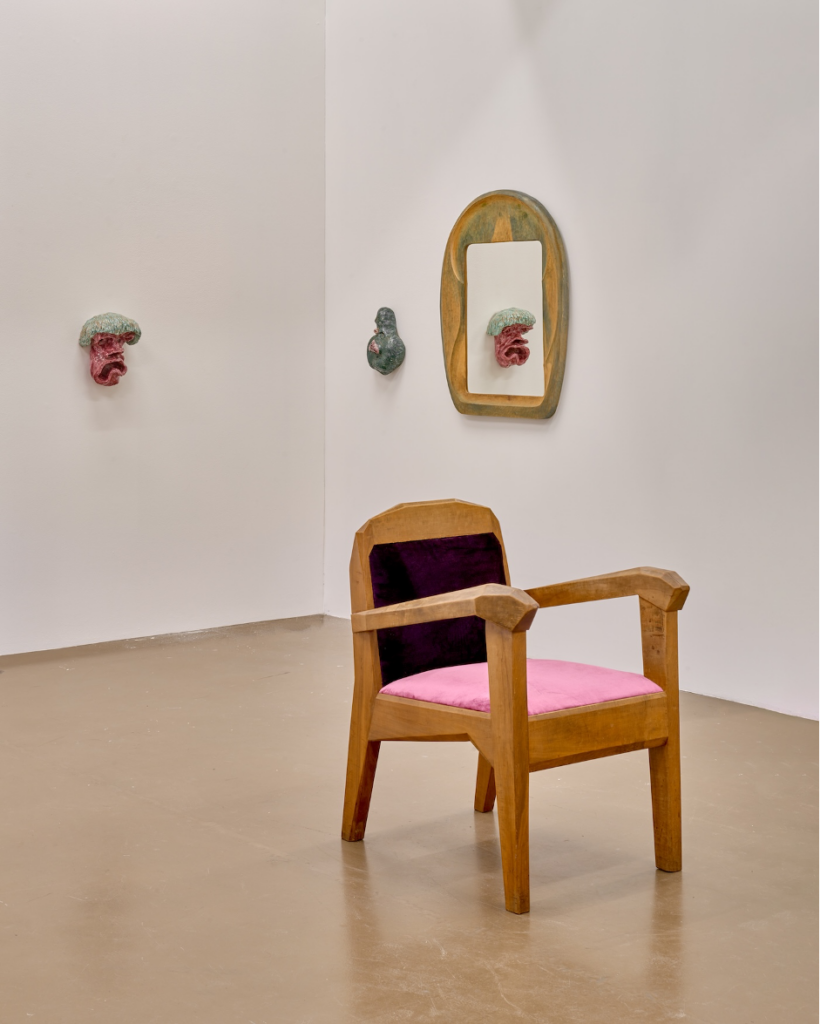
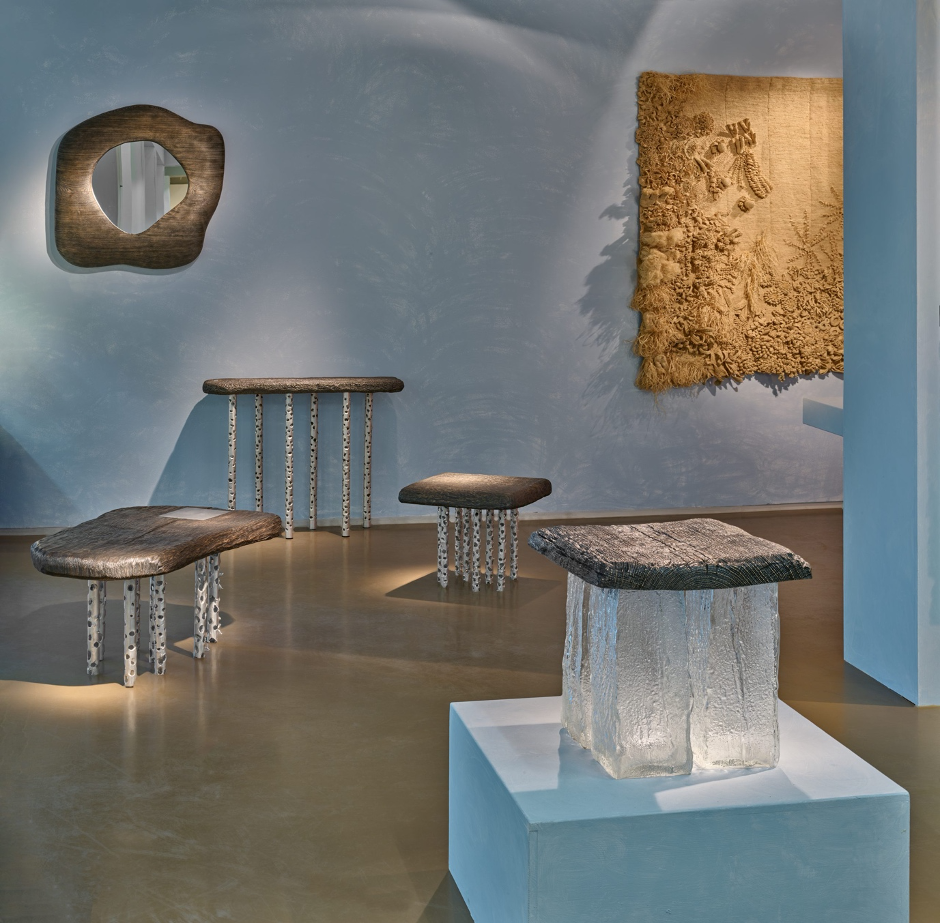
At GUSCH, wood was treated with a brutalist sensibility—carved, stacked, and ornamented to create pieces that feel both primitive and highly constructed. Nearby, kammer presented a retro-futuristic interior, blending nostalgic references with speculative forms.

Installation view of GUSCH at COLLECTIBLE. Photo by Studio Pim Top. Courtesy of GUSCH and COLLECTIBLE

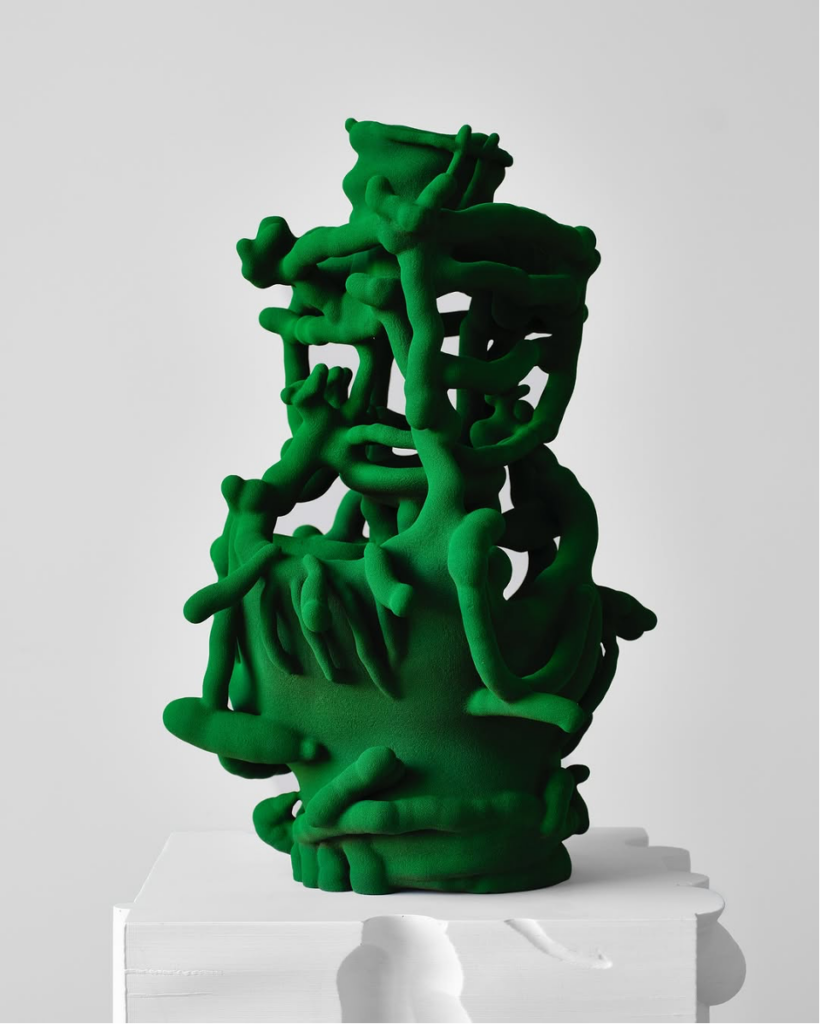
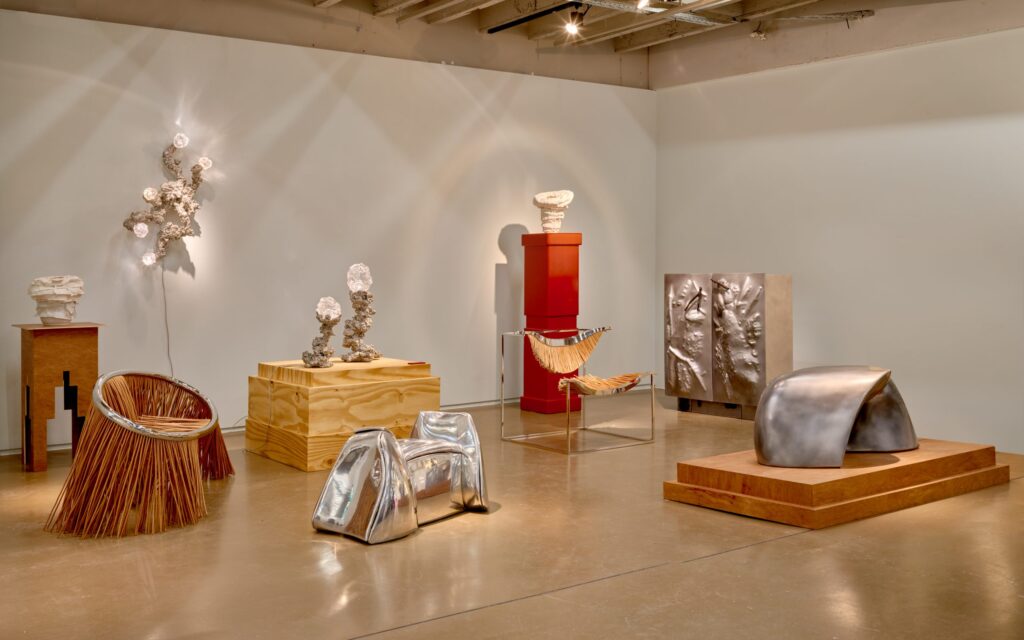
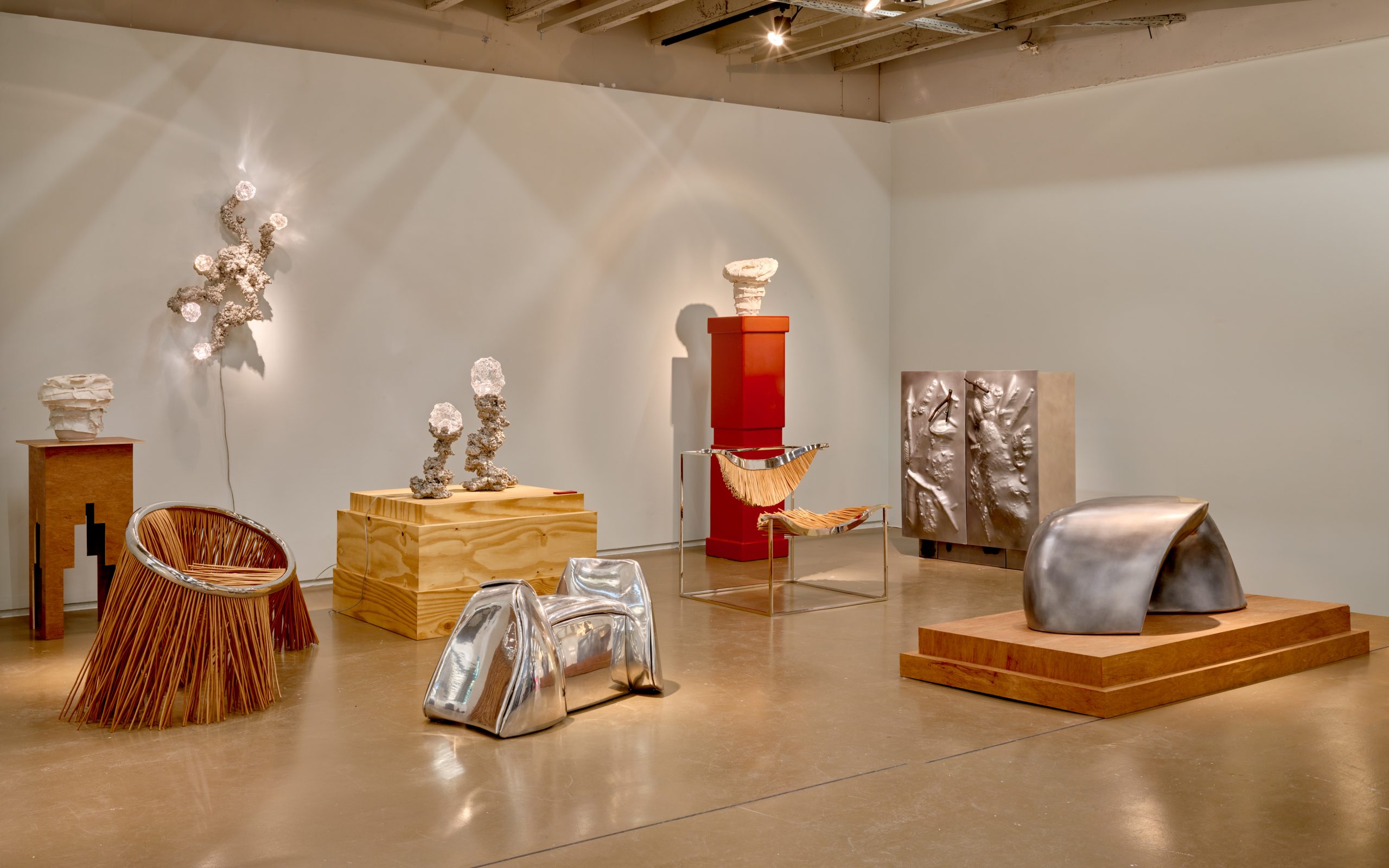
Audrey Large’s “Flowstones” series introduced a digital-material dialogue, where fluid, almost geological forms appear simultaneously natural and computational.

Audrey Large, Installation View of the “Flowstones” Series, 2026. Photo by Olly Geary. Courtesy of Audrey Large.

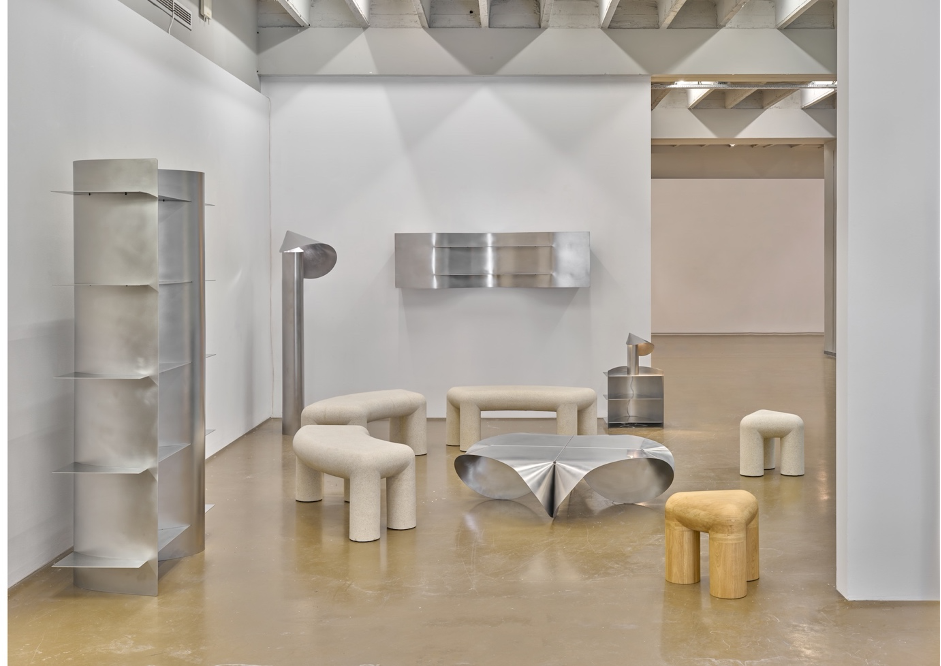
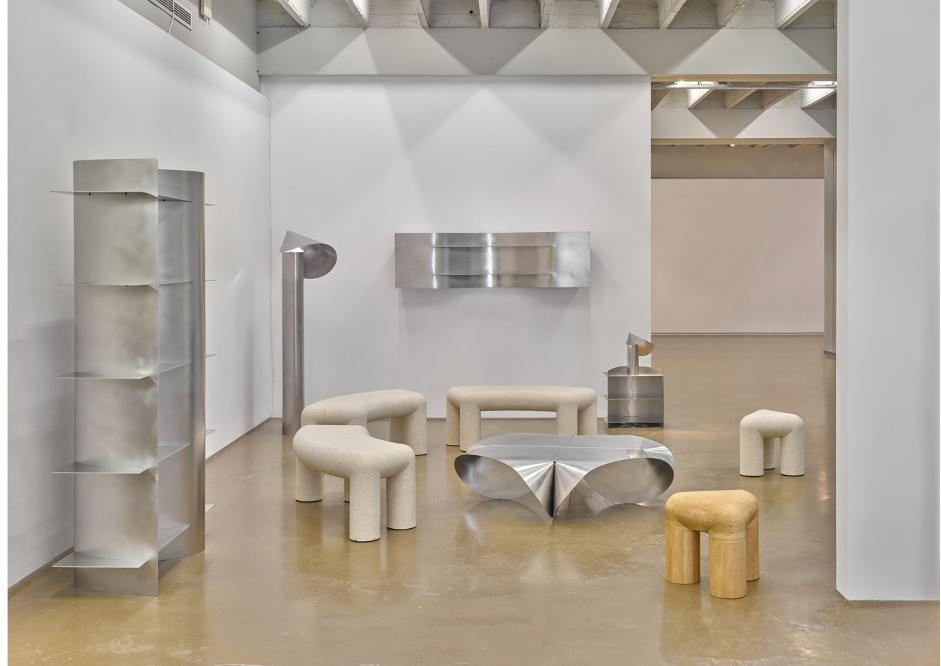
Meanwhile, the collaborative works of Paul Coenen and Rino Claessens explored tension and balance through minimal yet structurally expressive compositions.

Installation view of Paul Coenen and Rino Claessens at COLLECTIBLE. Photo by Studio Pim Top. Courtesy of Paul Coenen, Rino Claessens, and COLLECTIBLE.

New Sections, New Conversations

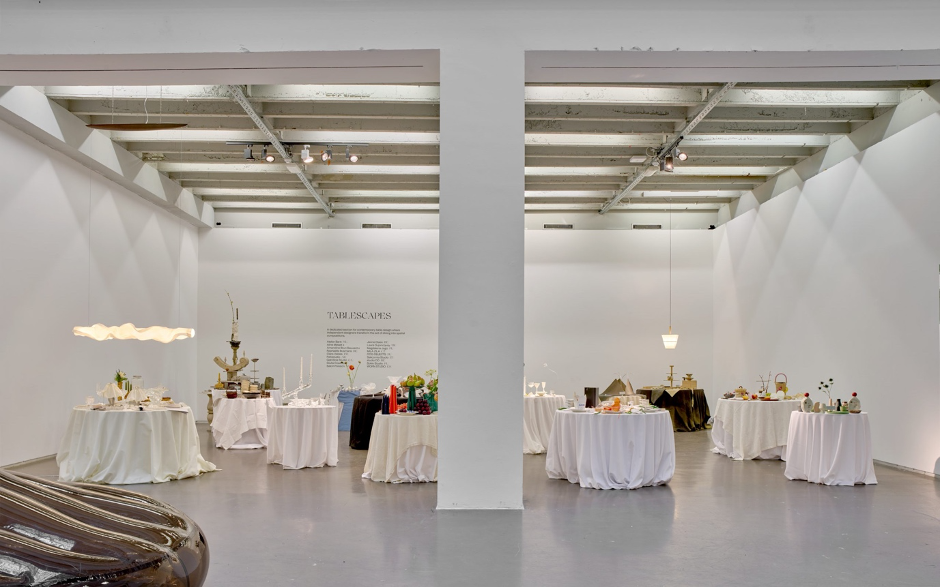
A notable addition to this year’s fair was TABLESCAPES, a curated section dedicated to contemporary interpretations of dining and table culture.

Rather than conventional tableware, the section presented experimental objects that reimagine rituals of gathering—transforming the table into a site of artistic and social exploration.

Tablescapes Gallery

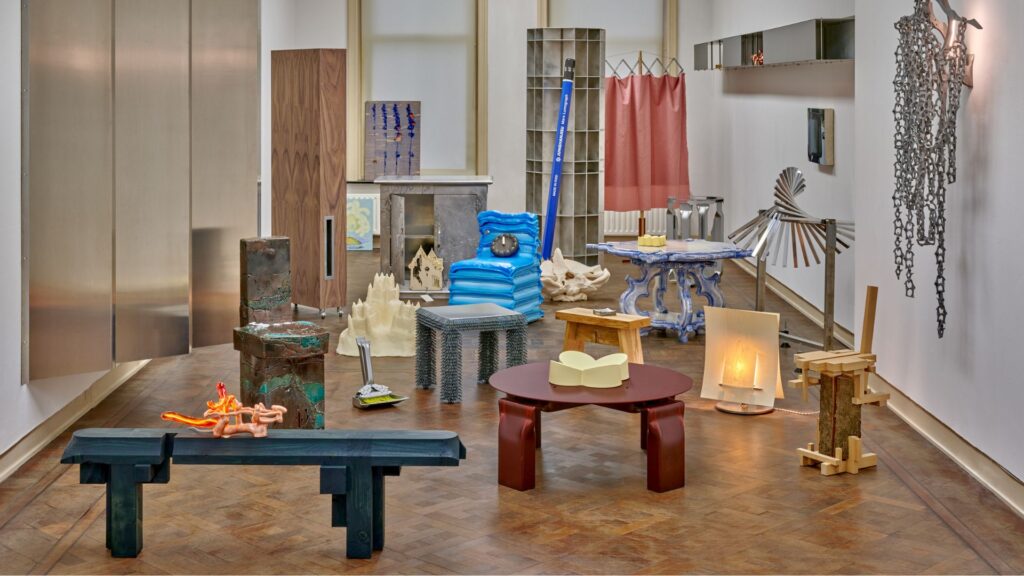
Elsewhere, sections such as MAIN, BESPOKE, and NEW GARDE continued to frame the fair’s curatorial direction—balancing established galleries with emerging voices and cross-disciplinary collaborations.

Objekt Gallery (MAIN)
Domum Gallery (NEW GARDE)
Paul Coenen & Rino Claessens Gallery (BESPOKE)

Craft as a Contemporary Language

A defining thread throughout Collectible Brussels 2026 was the renewed focus on craft—not as tradition, but as a dynamic and evolving practice. Designers engaged deeply with materials, pushing techniques to their limits while retaining the trace of the handmade.

From sculpted wood and cast metal to experimental composites, the works on display highlighted a return to material intelligence—where making becomes a critical part of conceptual thinking.

This emphasis reflects a wider shift in design culture: a move away from mass production toward singularity, authorship, and tactile engagement.

Beyond the Object: Designing Atmospheres

Perhaps what distinguishes Collectible most is its scenographic approach. Booths are conceived not as displays but as immersive environments—each one constructing a narrative world.

This curatorial strategy dissolves boundaries between disciplines, allowing furniture, objects, and installations to coexist within a shared spatial framework. The result is a fair that feels less like a marketplace and more like a temporary museum of contemporary design thought.

A Platform for the Future of Collectible Design

Collectible Brussels 2026 ultimately underscores the growing relevance of collectible design as a cultural force. By foregrounding experimentation, collaboration, and critical engagement with materials, the fair positions itself at the forefront of a movement that is redefining the role of design today.

In contrast to industrial uniformity, the works presented here embrace individuality and narrative—offering a glimpse into a future where design operates as both artifact and idea.

Design Essentia Magazine

specially curated by the editorial team at Design Essentia Magazine.

Previous Story

A Matter of Milan : The Best of Salone 2026

Next Story

16, Evelyn House / Quirk Studio

Latest from DIRECTIONS