




17th May 2026, Sunday

A Matter of Milan : The Best of Salone 2026

The 64th edition of Salone del Mobile.Milano confirmed the fair’s transformation from furniture showcase to full cultural ecosystem — sensorial, collectible, and resolutely forward-looking.

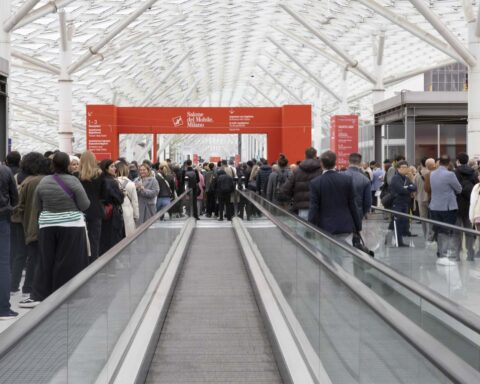
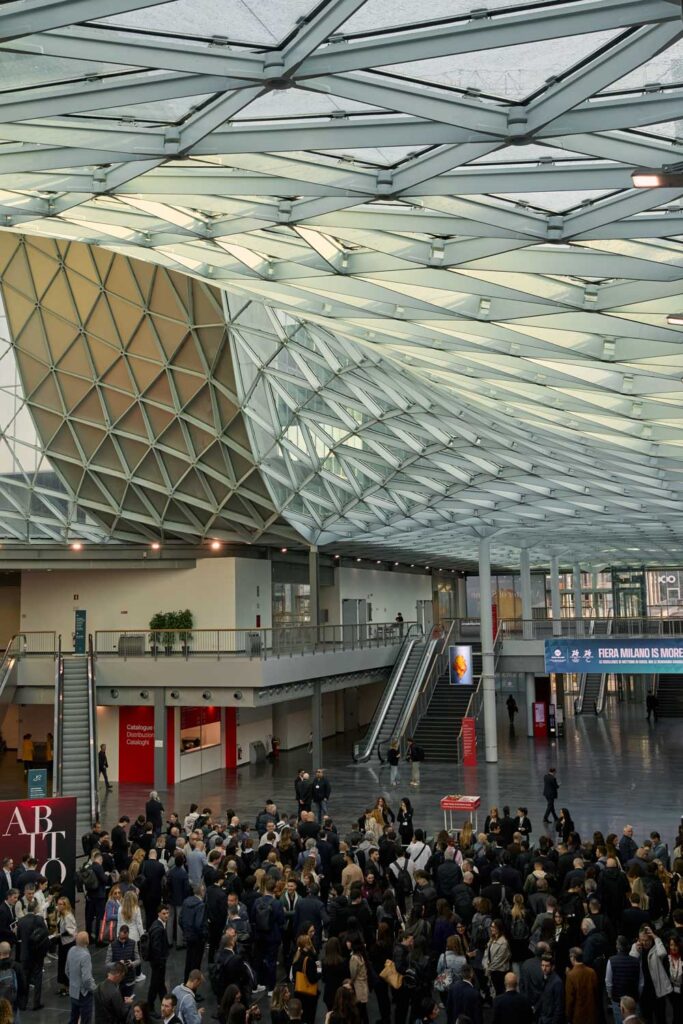
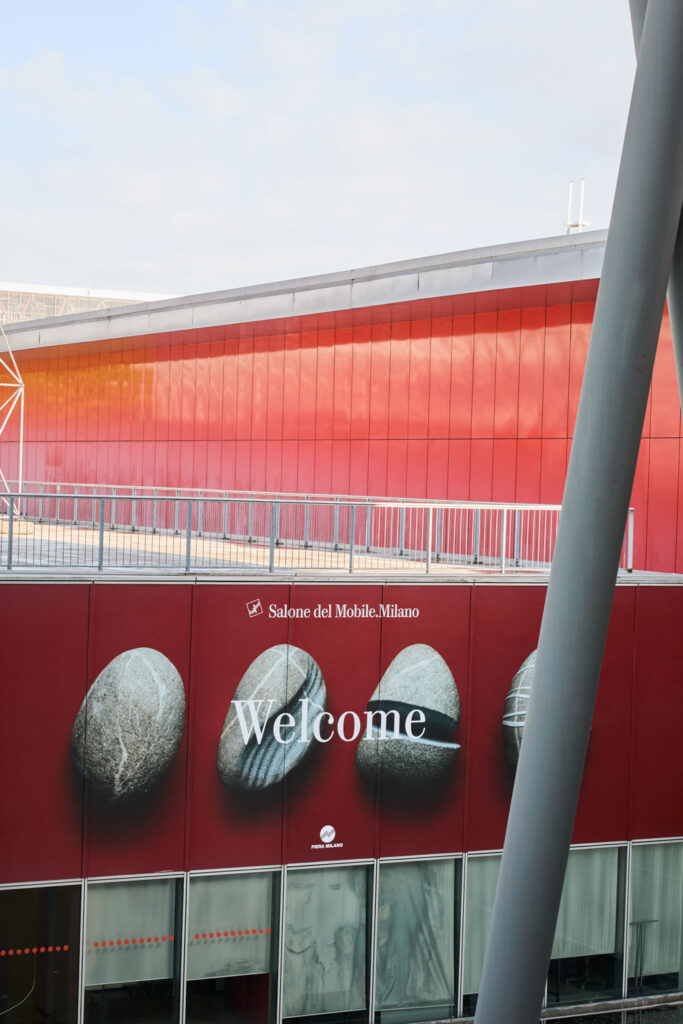
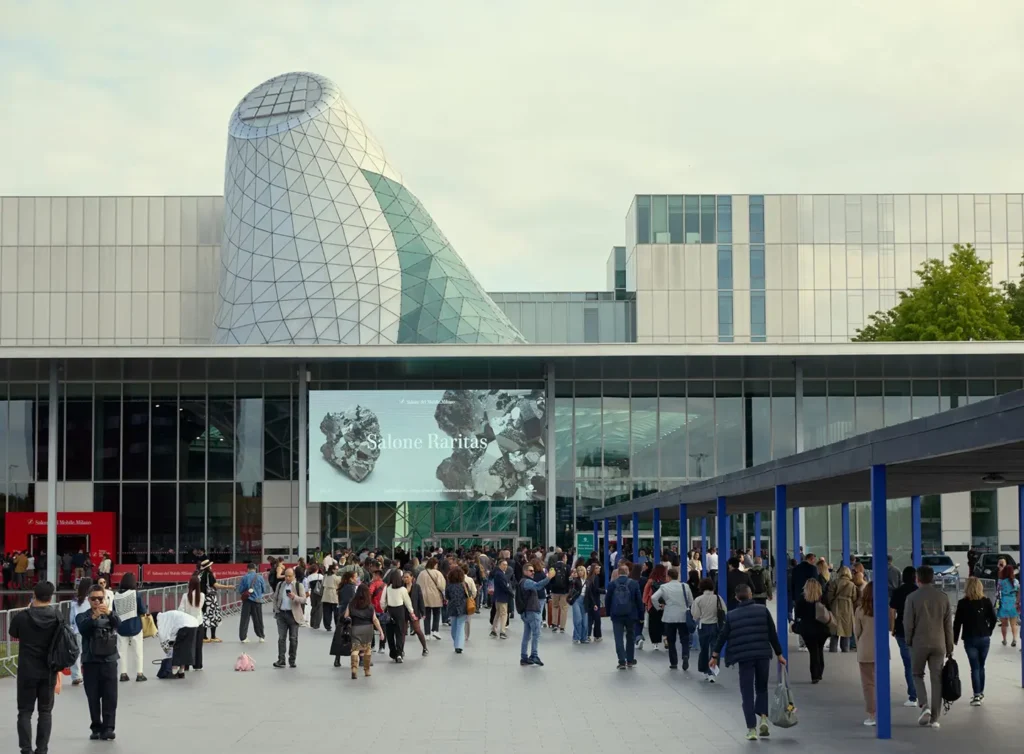
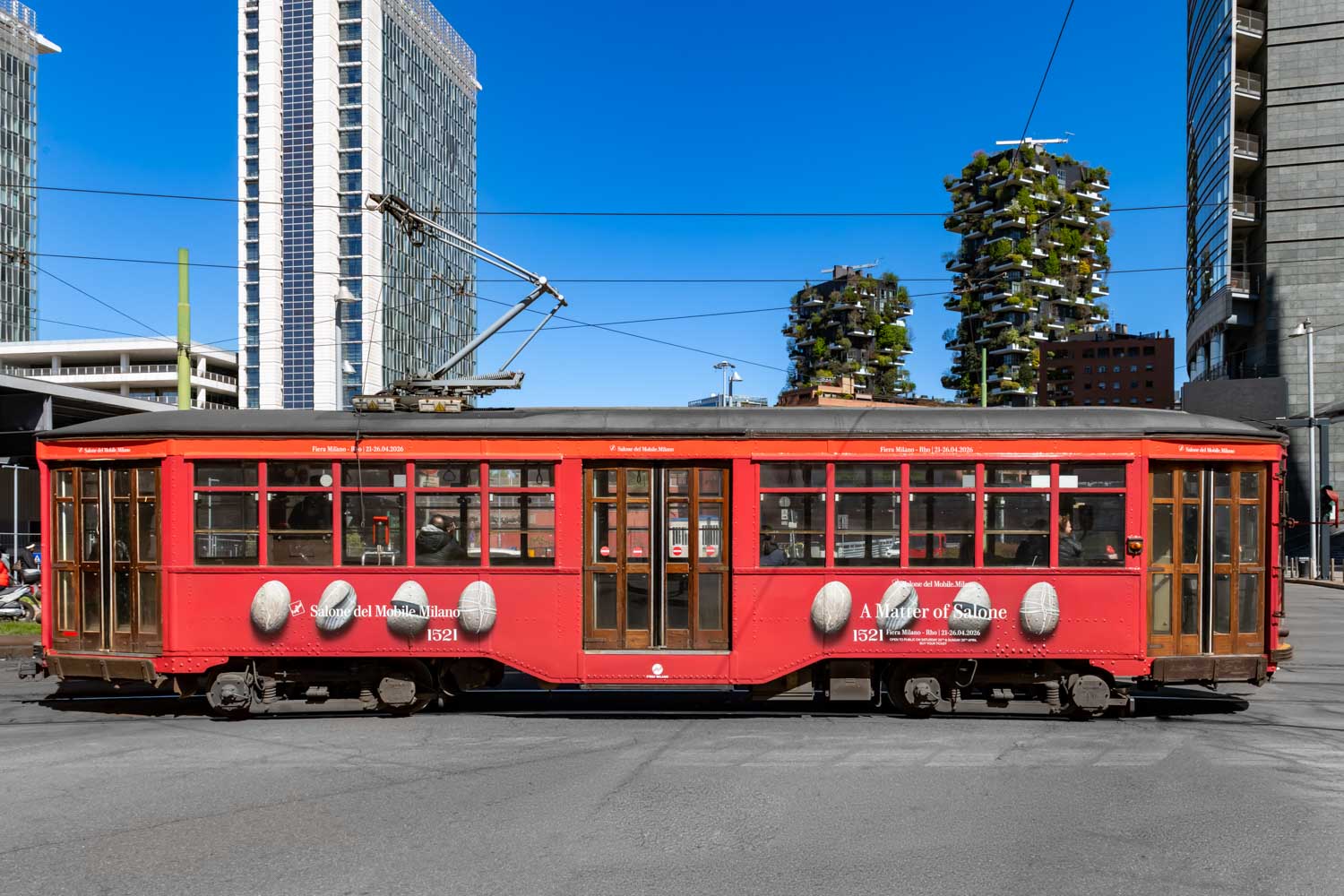
Milan once again became the undisputed capital of design as more than 316,000 visitors from 167 nations descended on the city for Milan Design Week 2026. The 64th edition of Salone del Mobile.Milano drew over 1,900 exhibitors from 32 countries — completely sold out — marking one of the most ambitious editions in the fair’s history. The theme “A Matter of Salone” ran as an invitation to understand design not merely as object-making, but as embodied thought: matter as voice, surface as story.

Over six days, companies, buyers, investors, retailers, contractors, designers and the international media found the Salone to be a hub for high-value networking and content. With 1,900 brands from 32 countries, the image projected by the 2026 edition of the event was of a responsive and competitive industrial ecosystem. The International Bathroom Exhibition and EuroCucina, together with FTK, Technology For the Kitchen, confirmed the strategic importance of two key sectors in the evolution of contemporary living, encompassing industrial quality, technology and new lifestyles.

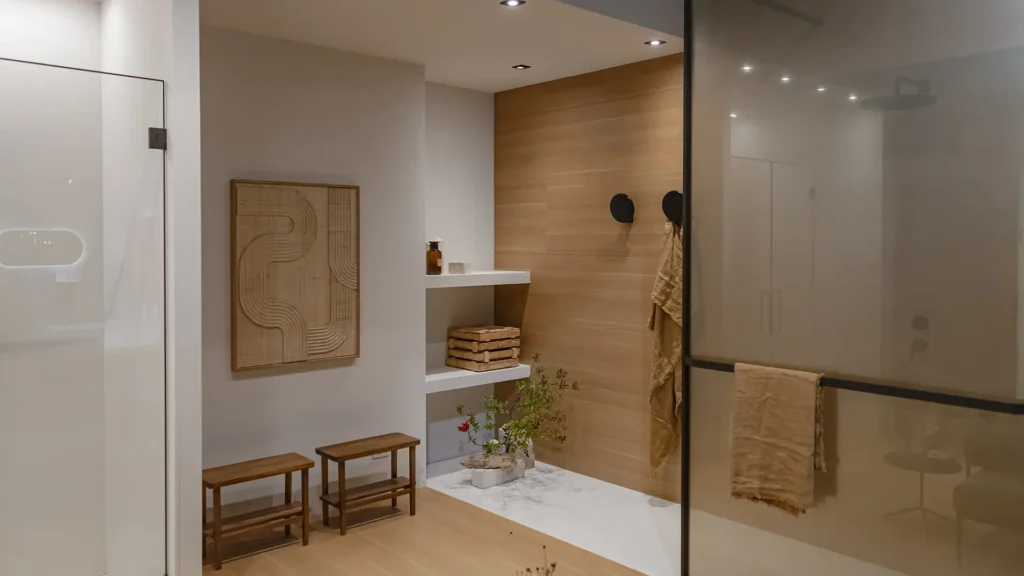
Vismaravetro, 64th edition of Salone del Mobile.Milano
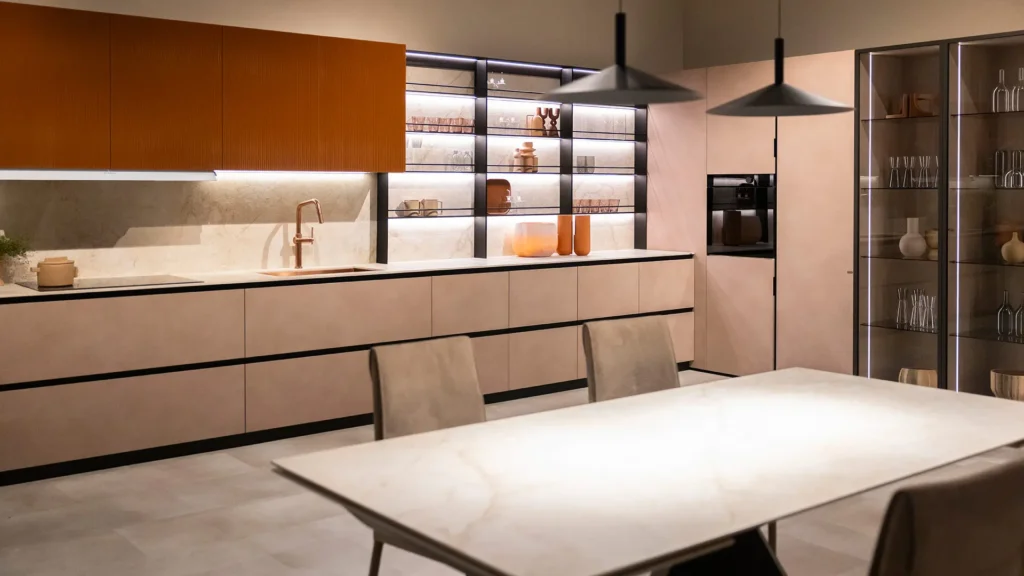
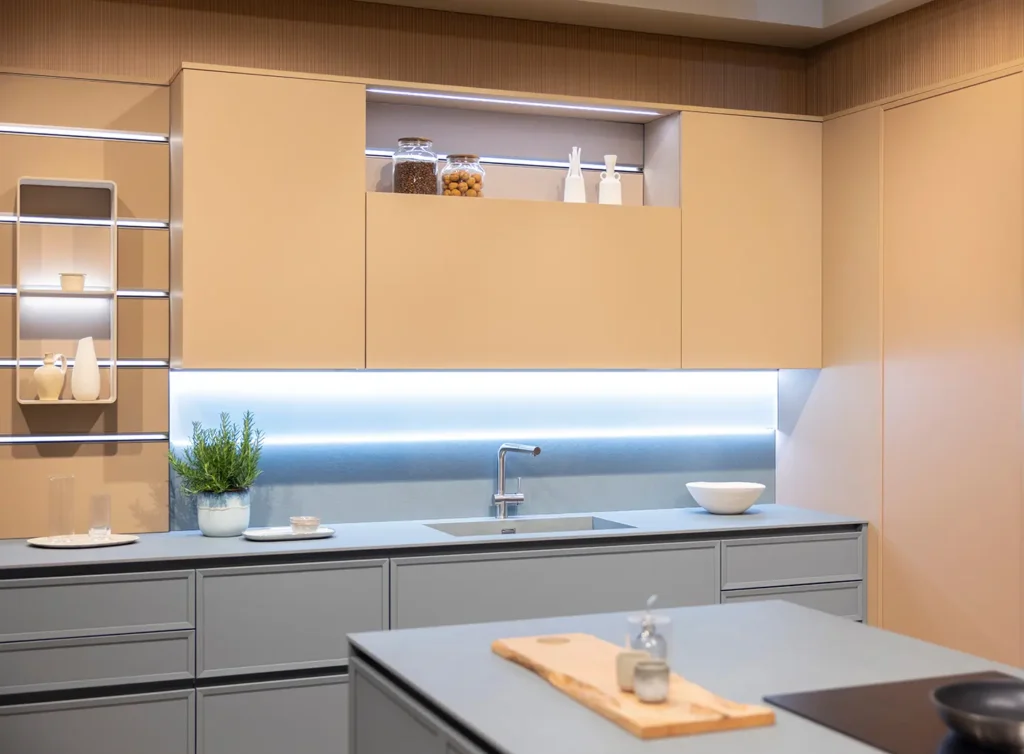
Scavolini, EuroCucina 2026

This year’s edition was defined by three forces: the rise of multisensory experience, the mainstreaming of collectible design, and a new strategic seriousness about the contract and hospitality sector. Together, they signal a fair in confident evolution.

316,342

1,900+

169,000

visitors from 167 nations

exhibitors from 32 countries

square metres, sold out

top highlights from Salone del Mobile 2026

Salone Raritas – Collectible Design enters main stage

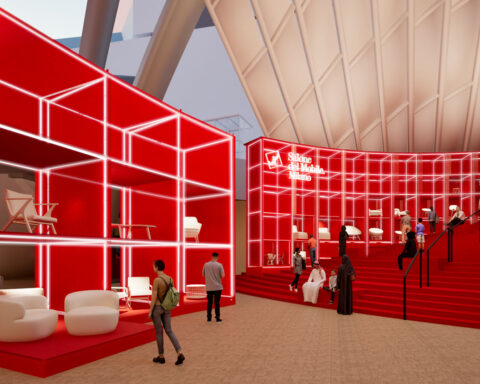
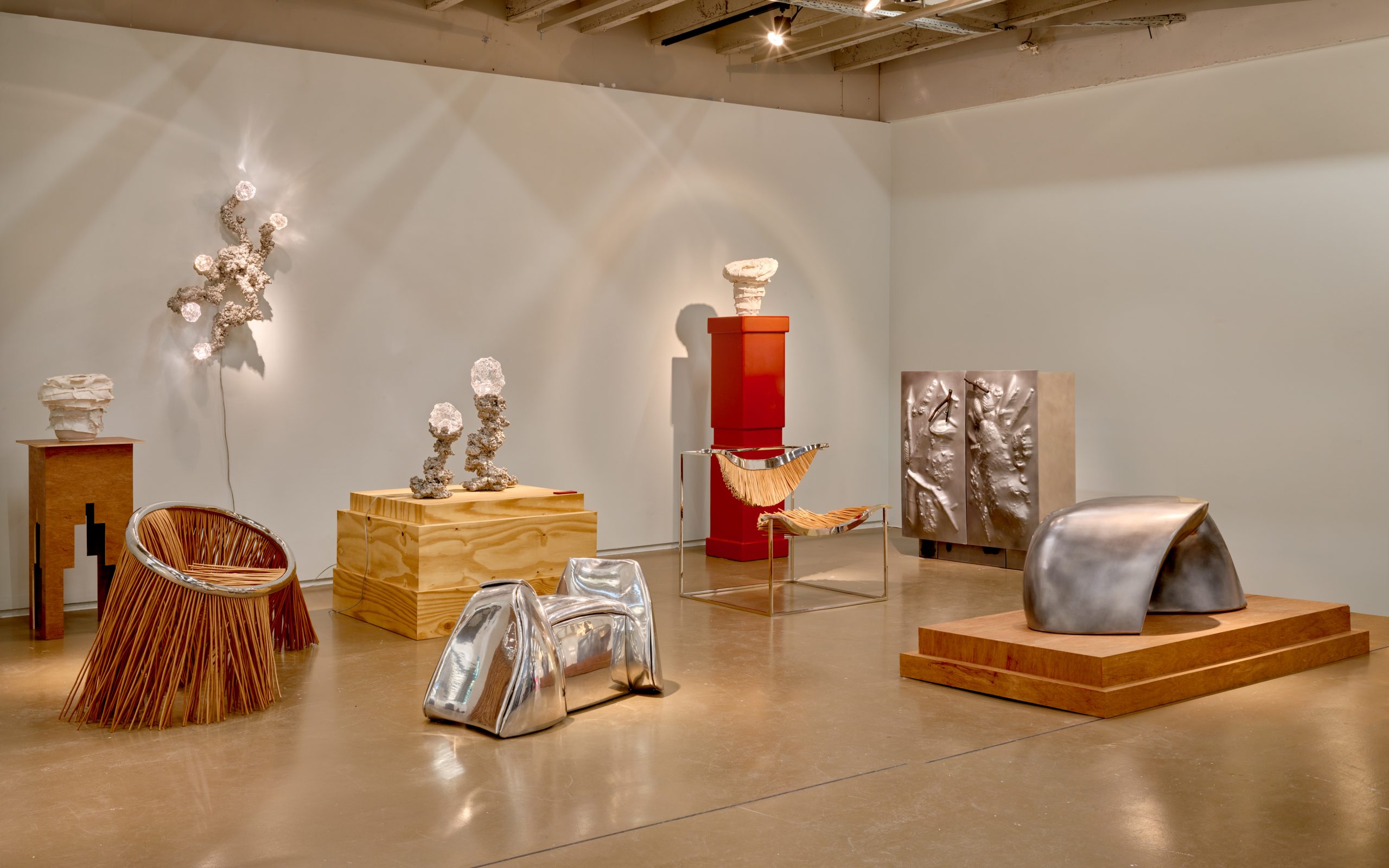
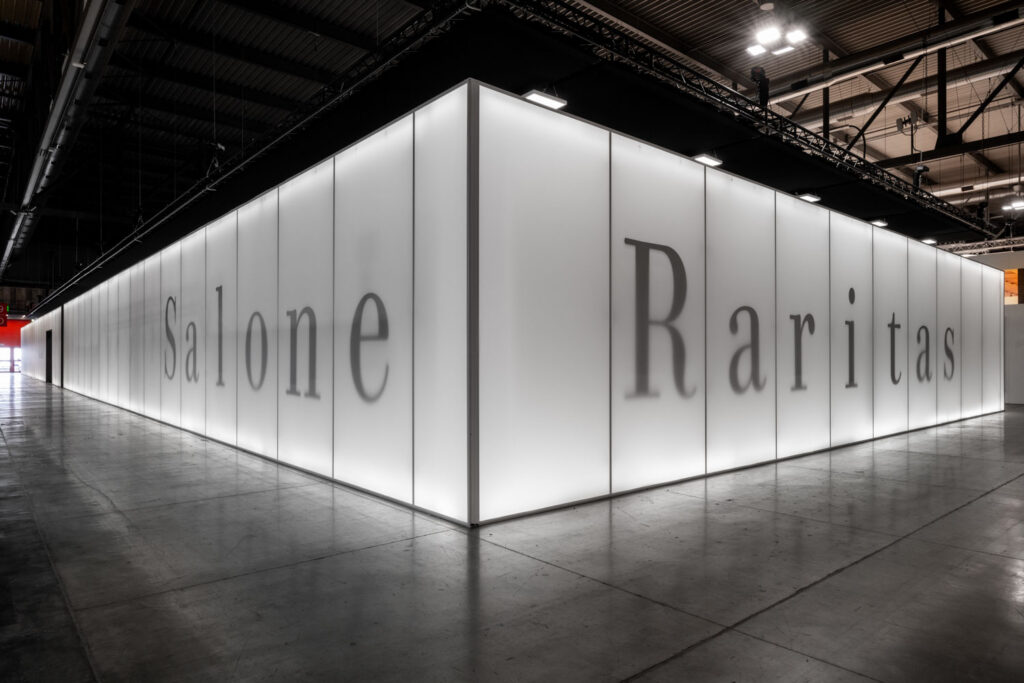
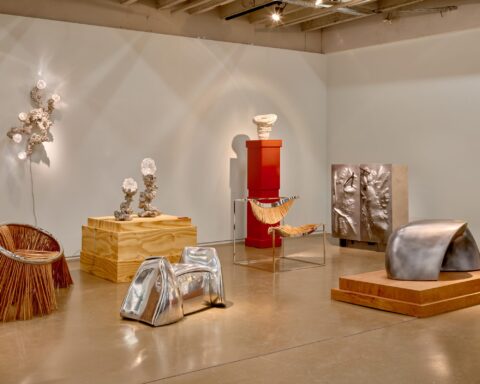
Perhaps the most talked-about debut of the 64th edition, Salone Raritas brought limited-edition collectible design squarely into the heart of the fair. Housed in Pavilion 9 and conceived as a curated ecosystem — not a luxury enclave — the exhibition was designed by research studio Formafantasma and curated by Annalisa Rosso. Fewer than 25 exhibitors were selected to guarantee curatorial coherence and authority.

Salone Raritas_Salone del Mobile.Milano 2026. Photo by SLV.

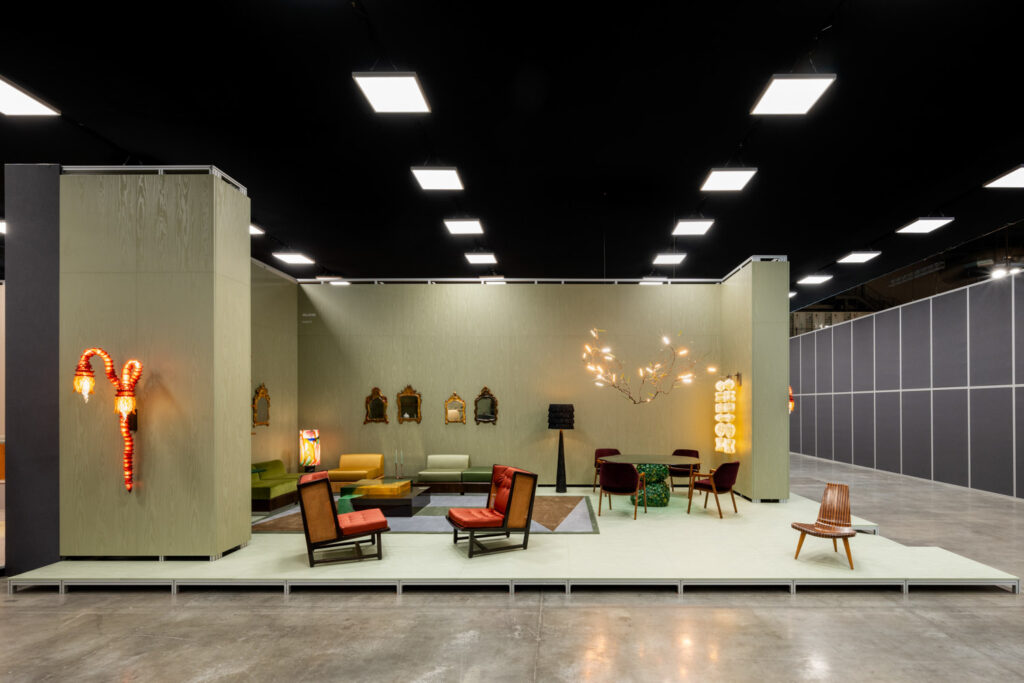
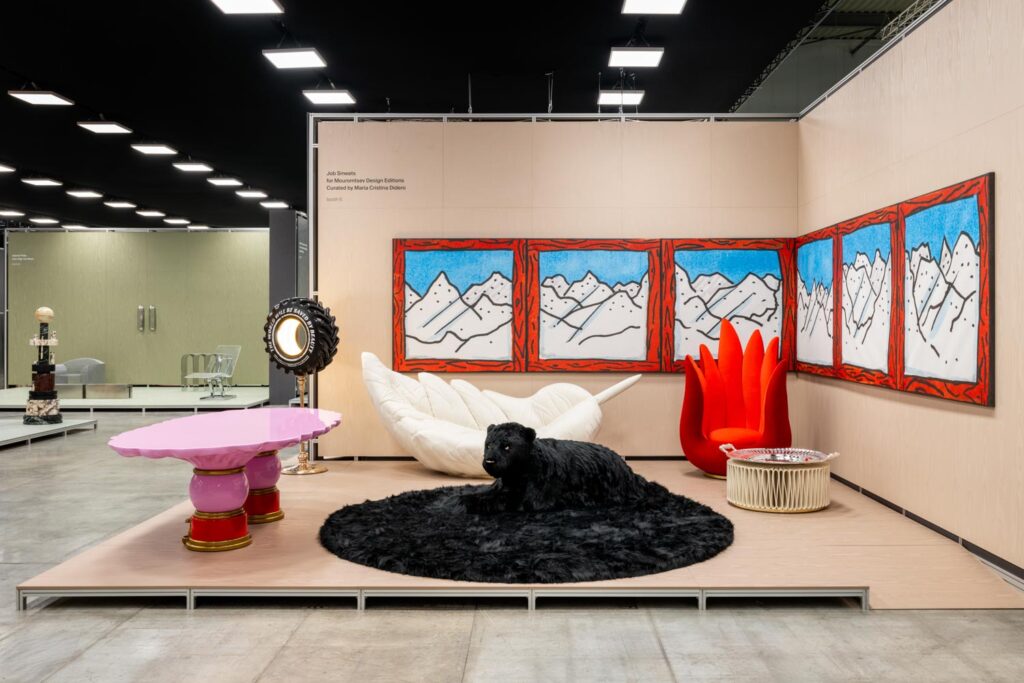
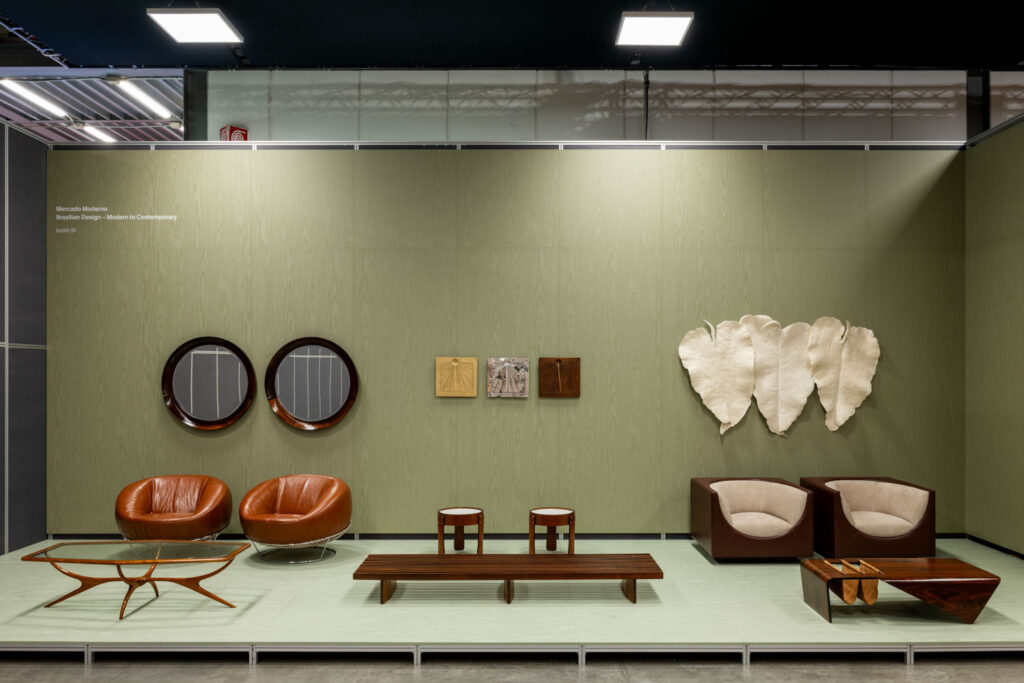
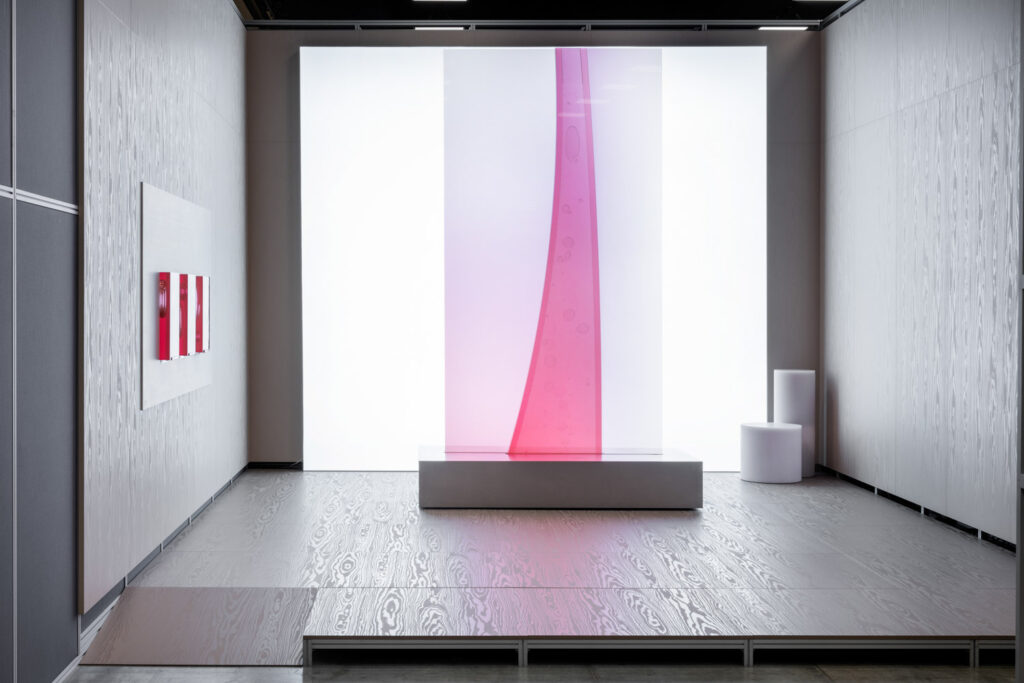
Among the highlights: a surreal installation of 12 chairs for meditation by digital artist Andres Reisinger at Nilufar; new collections by Job Smeets presented by Mouromtsev Design Editions; armchairs by Brazilian gallery Mercado Moderno evoking tropical modernism; and Murano glass reimagined by Sabine Marcelis and Salviati x Draga & Aurel.

Nilufar at Salone Raritas_Salone del Mobile.Milano 2026. Photoby SLV.
Mouromtsev Design Editions at Salone Raritas_Salone del Mobile.Milano 2026. Photoby SLV.
Mercado Moderno at Salone Raritas_Salone del Mobile.Milano 2026. Photoby SLV.
Studio Sabine Marcelis at Salone Raritas_Salone del Mobile.Milano 2026. Photoby SLV.

The exhibition architecture itself functioned as what president Maria Porro described as “an architectural lantern” — each piece speaking within a controlled, recognisable context. Raritas positioned rarity not as decoration, but as narrative infrastructure.

“I hope architects begin to consider rarity not as decoration, but as narrative infrastructure — a way to embed meaning into space.”

— Maria Porro, President, Salone del Mobile.Milano

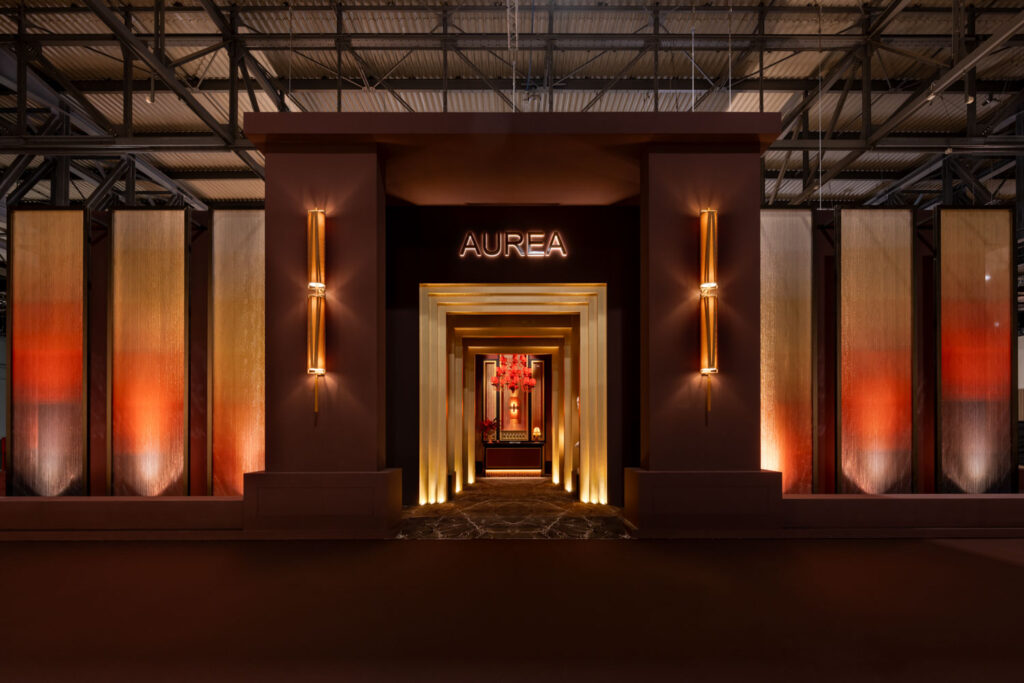
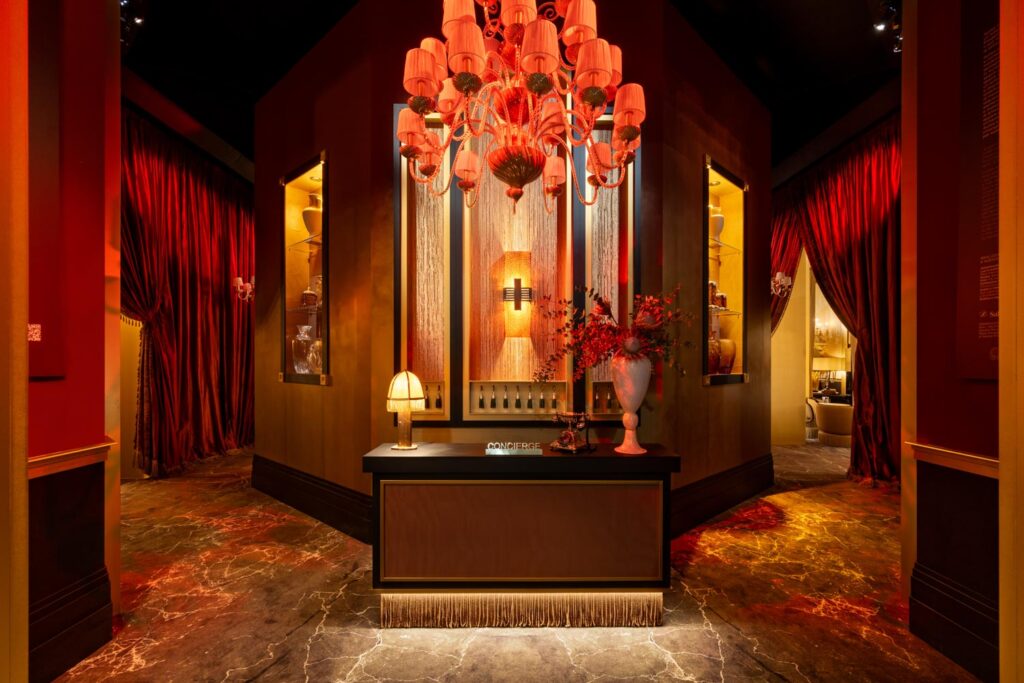
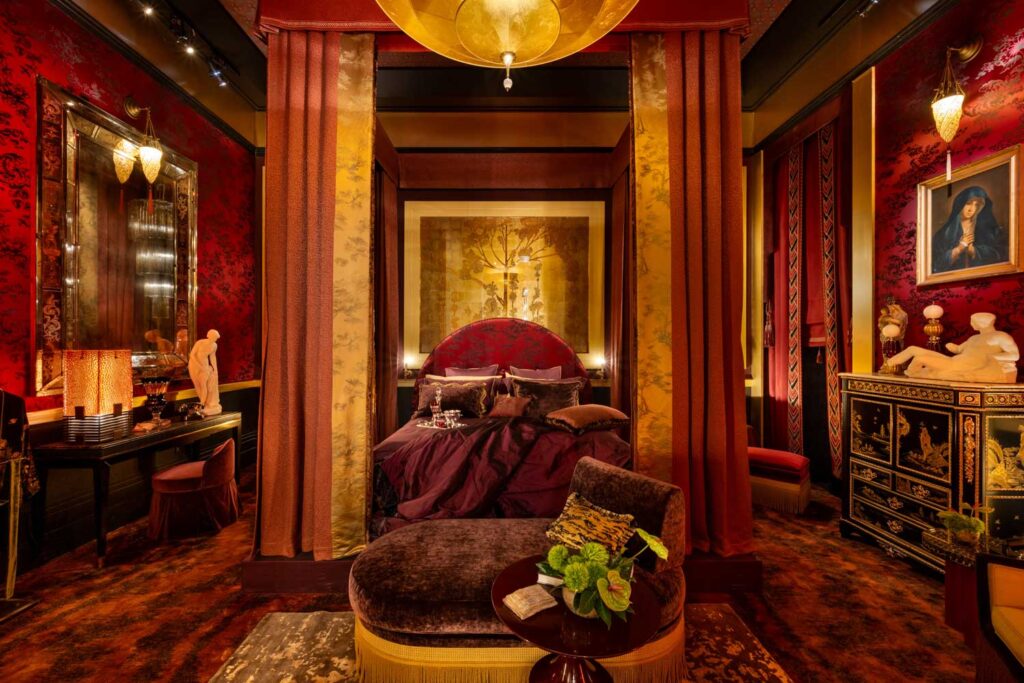
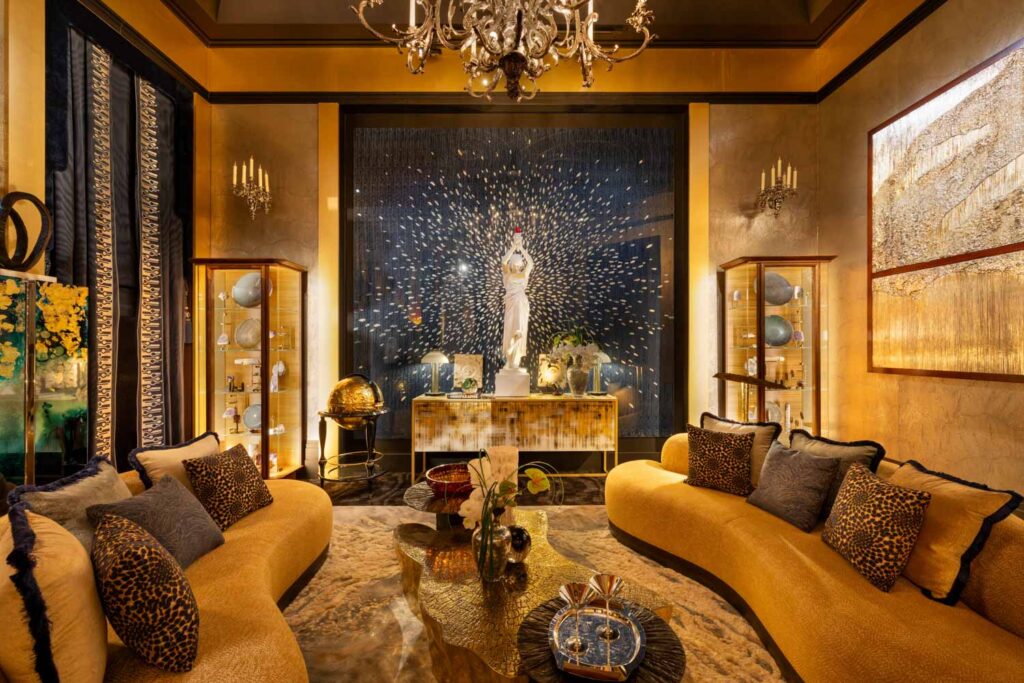
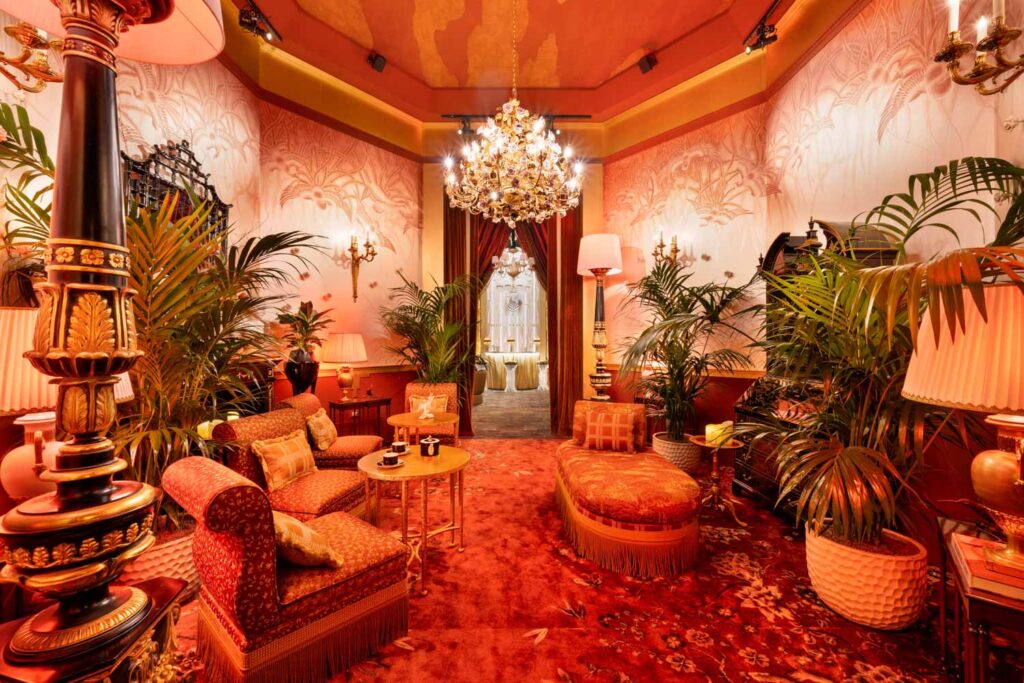
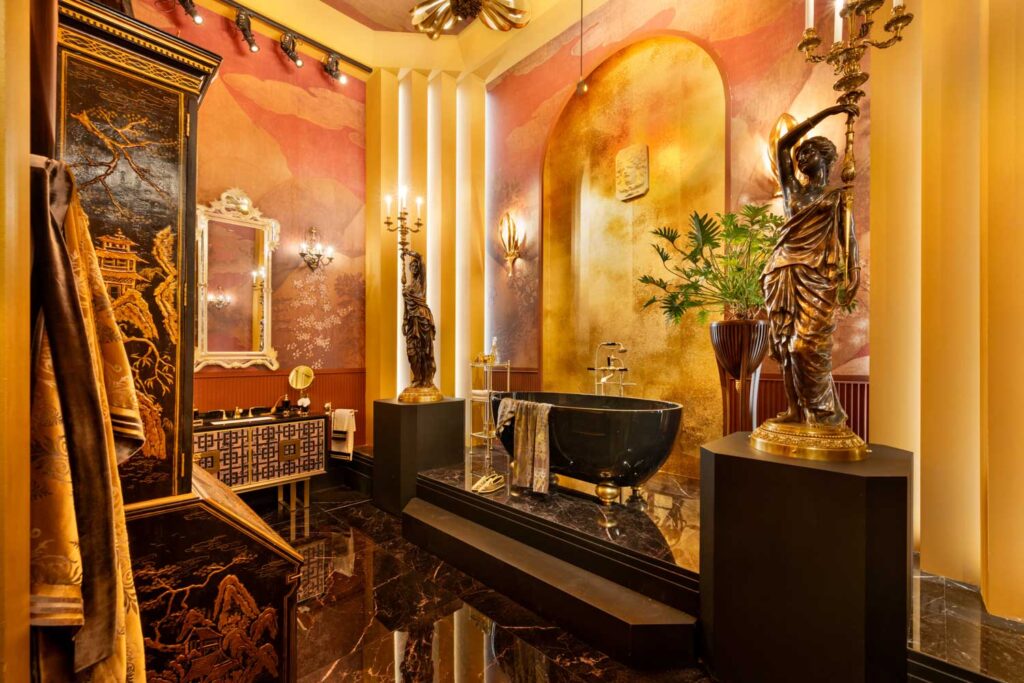
Aurea – an architectural fiction by Maison Numéro 20

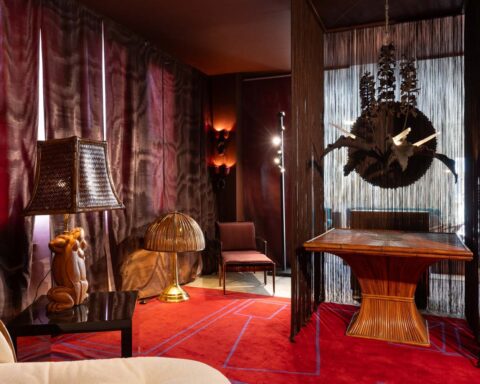
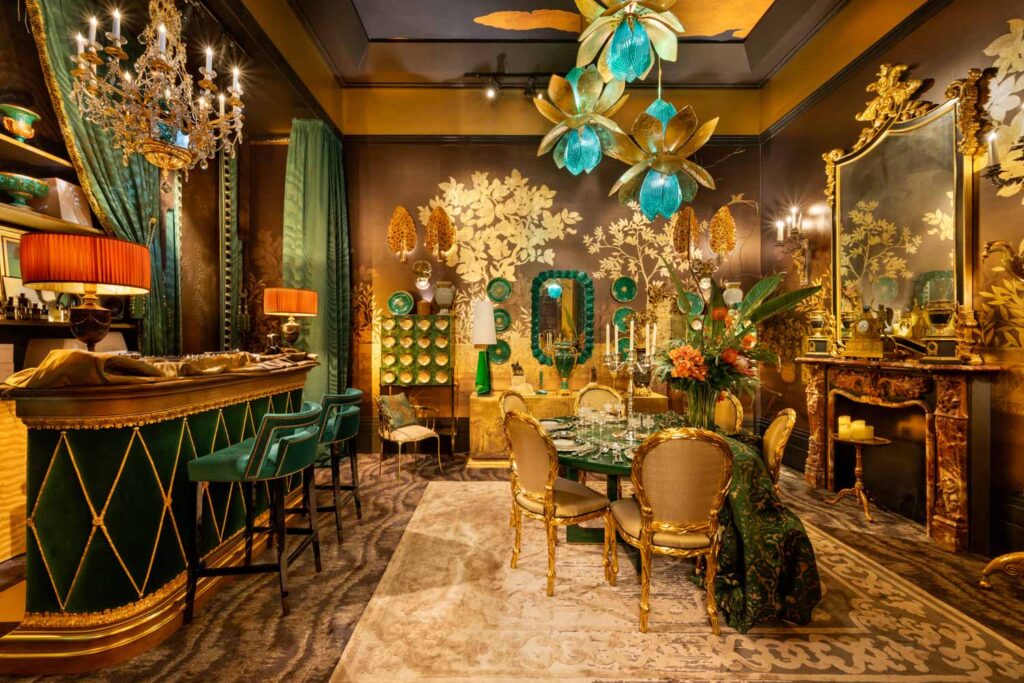
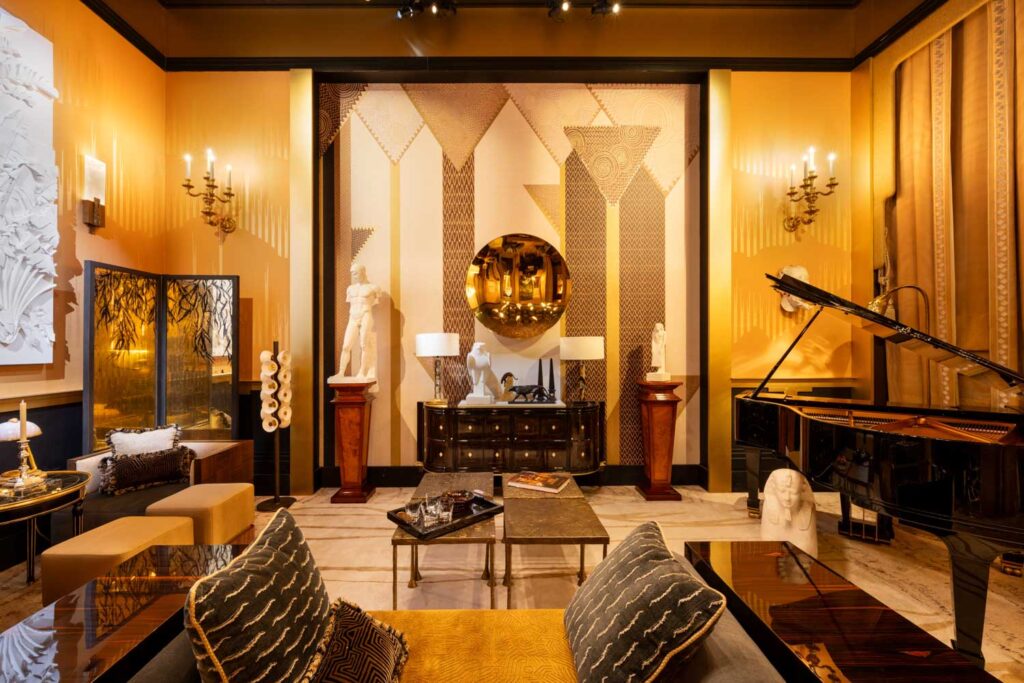
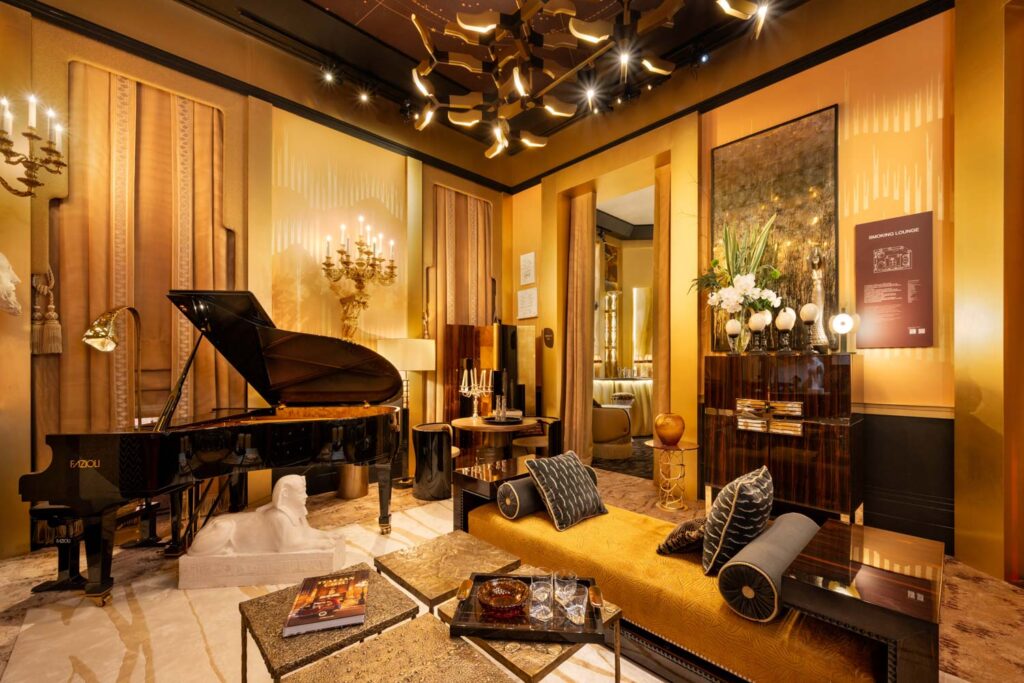
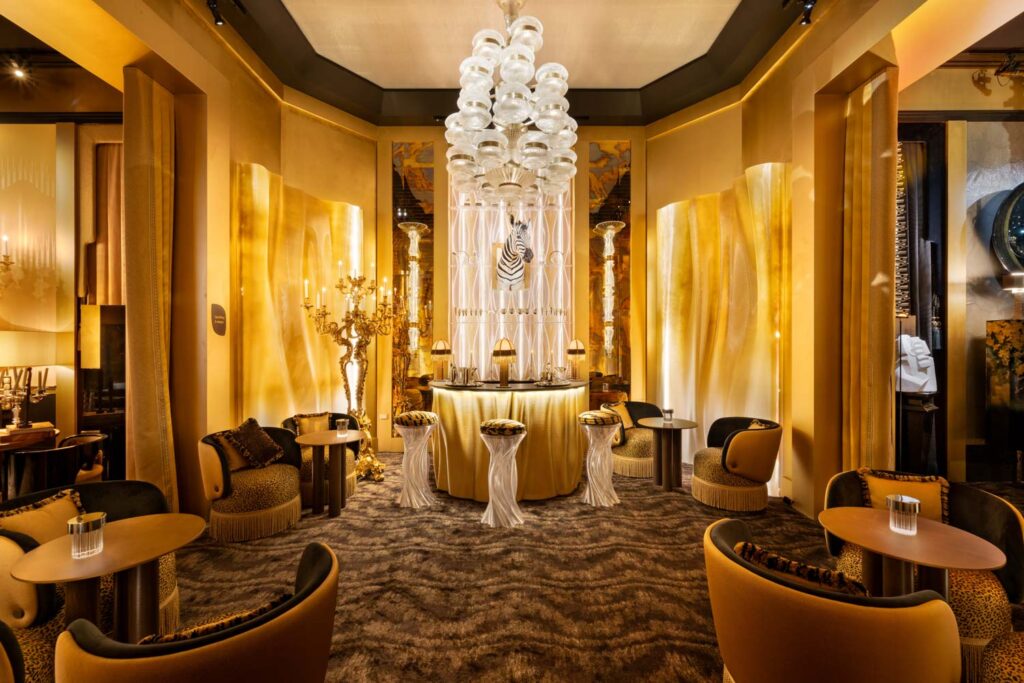
Conceived by Oscar Lucien Ono of the Parisian agency Maison Numéro 20, Aurea was the fair’s most immersive installation — an imaginary luxury hotel that rewrote the codes of hospitality as theatrical experience. Light, material, and spatial rhythm were orchestrated to construct emotional sequences, transforming the visitor into a traveller moving through cinematic environments. The installation proved Porro’s thesis that “multisensory design today is not excess, but consciousness.”

B&B Italia returns – and Salone Contract Looks ahaead

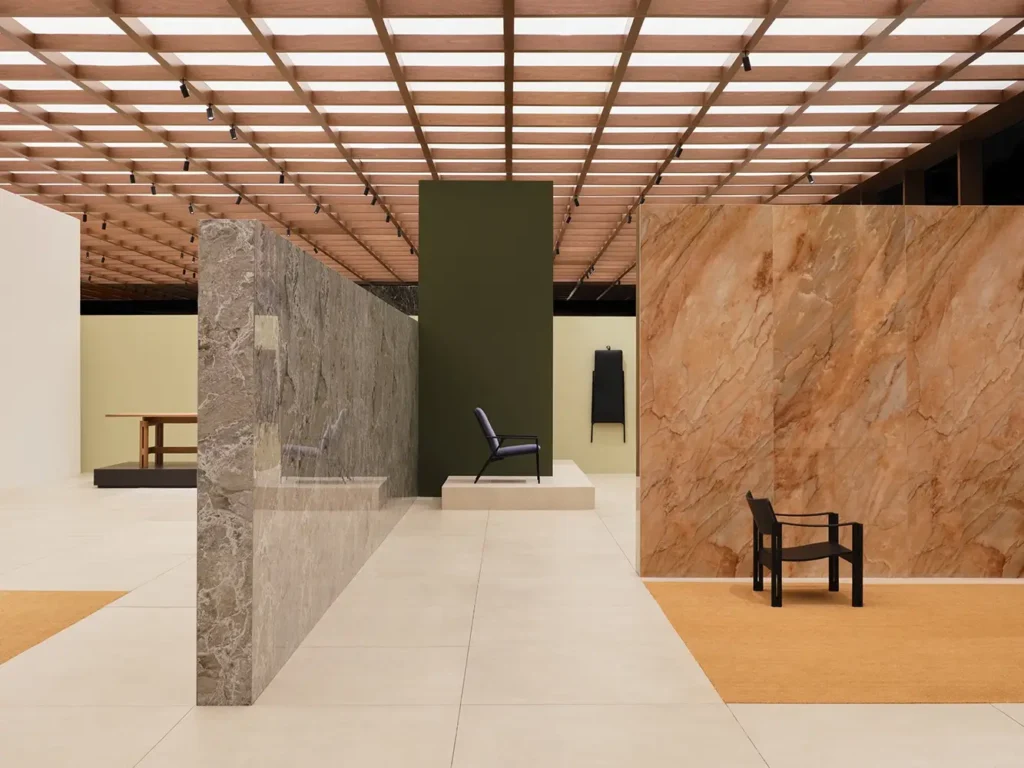
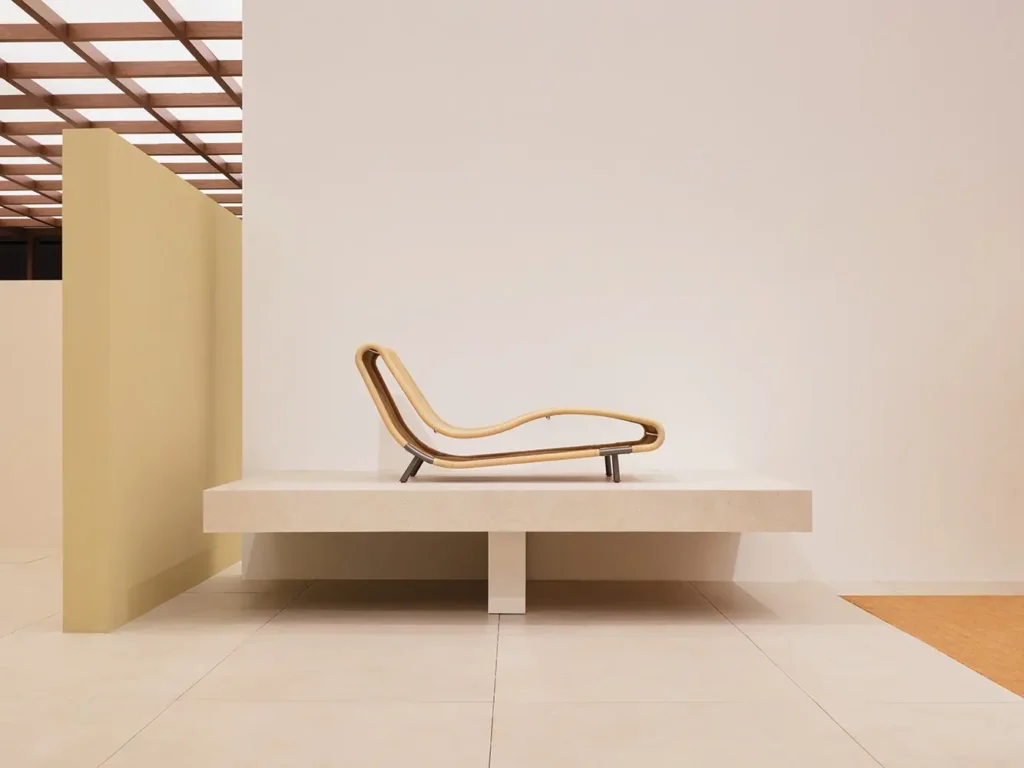
B&B Italia’s return to Salone del Mobile after a 25-year absence was one of the fair’s most anticipated moments. Its Formafantasma-designed booth — with coffered ceilings evoking a chic mid-century office and Miesian marble partitions — was a statement of arrival.

The standout piece: a Vincent Van Duysen outdoor chair with overstuffed cushions set within a simple wood frame, creating an enveloping, elemental comfort.

Formafantasma for B&B Italia_Salone del Mobile.Milano. Photo courtesy: B&B Italia.

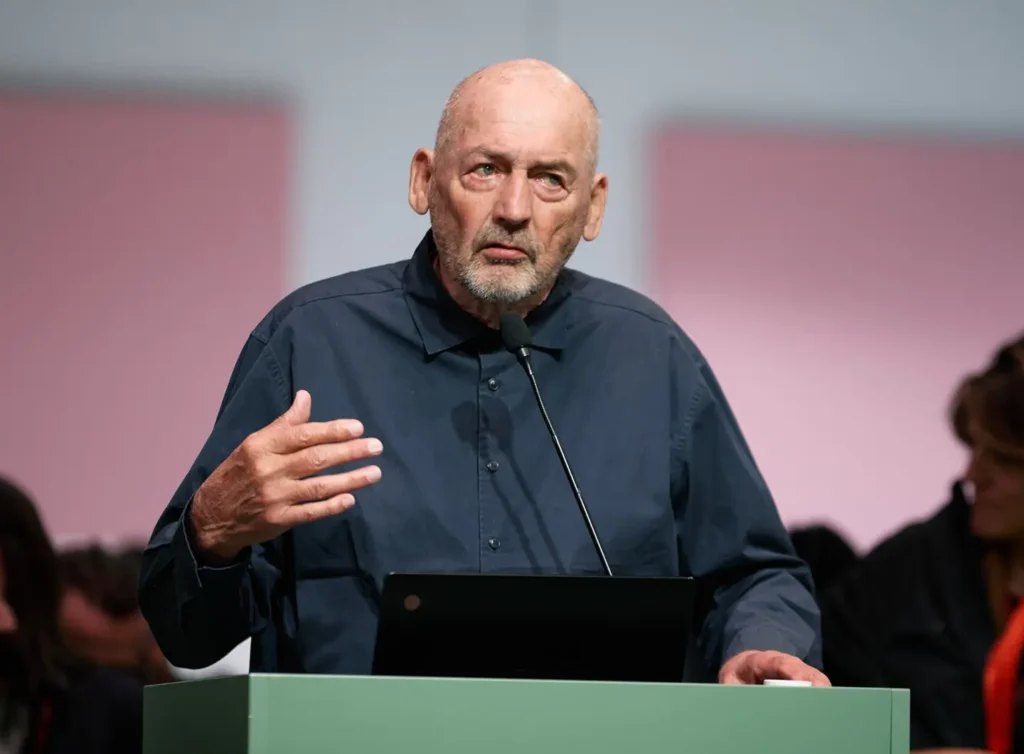
On the strategic front, the launch of Salone Contract — conceived as a long-term masterplan rather than a one-edition exhibition — marked a recognition that the global contract market, expected to exceed €110 billion in the next decade, deserves its own dedicated infrastructure. OMA and Rem Koolhaas are central to the initiative, which will culminate in an official debut in April 2027.

Rem Koolhas at Salone Contract Forum, Design Futures Arena_Salone del Mobile.Milano
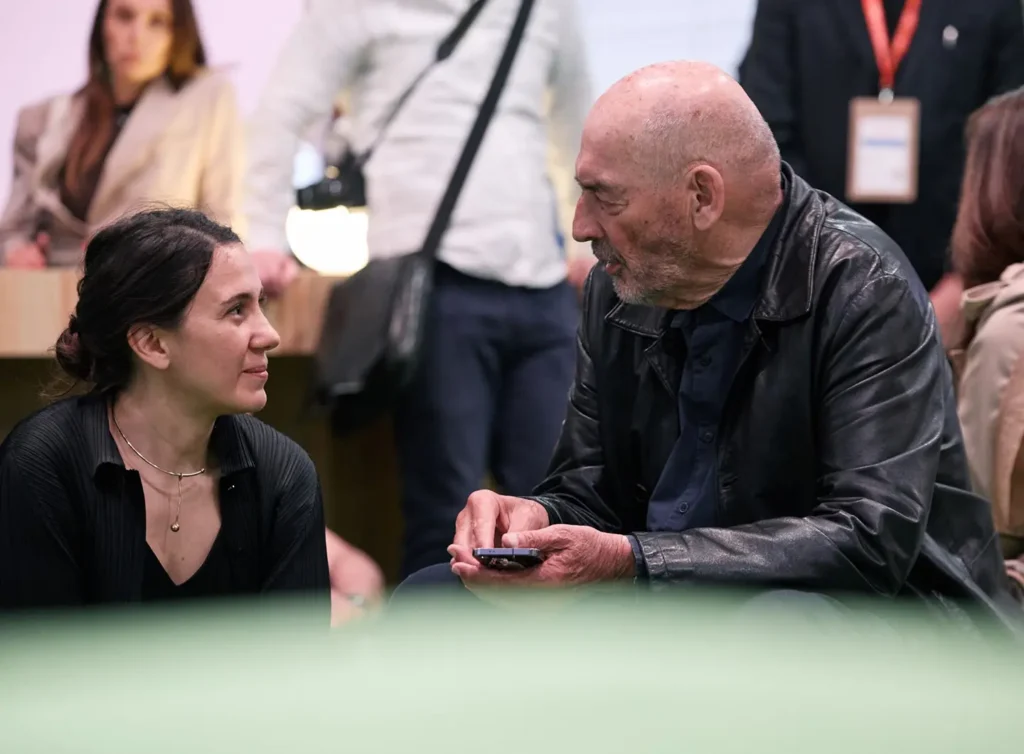
Maria Porro & Rem Koolhas
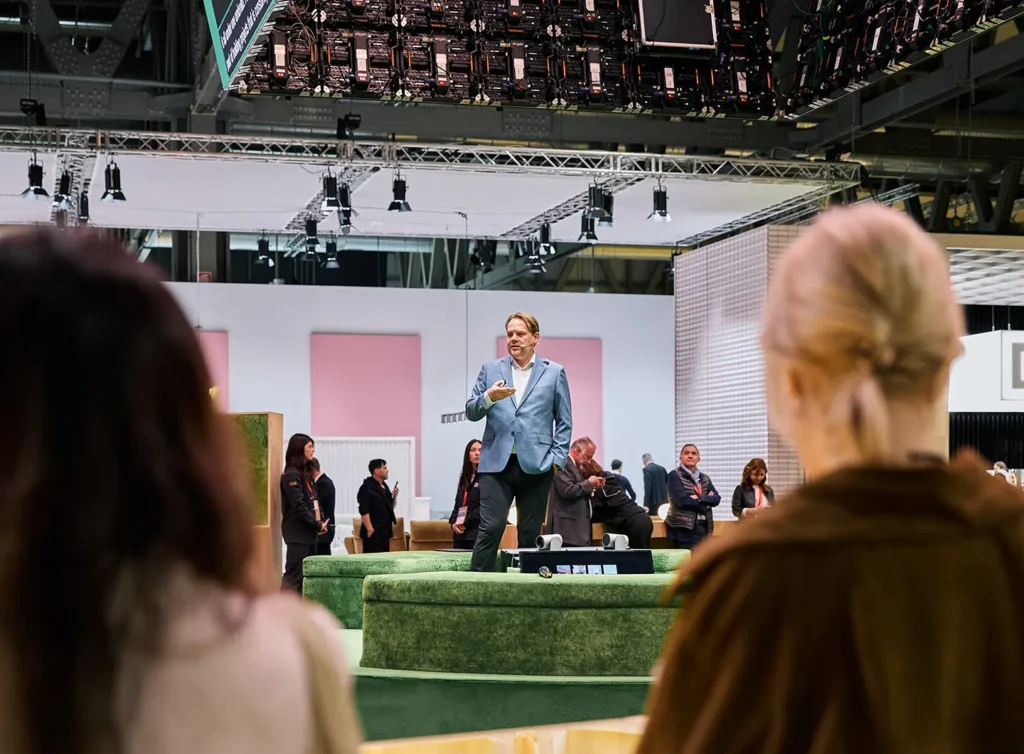
David Gianotten at Salone Contract Forum

Eurocucina 2026: The Kitchen of the Future Is at the Heart of the Home

EuroCucina 2026 presented one of the most evolved visions of domestic space in the fair’s history — a kitchen that is no longer a closed, technical room, but a permeable, sensuous, and deeply strategic interior.

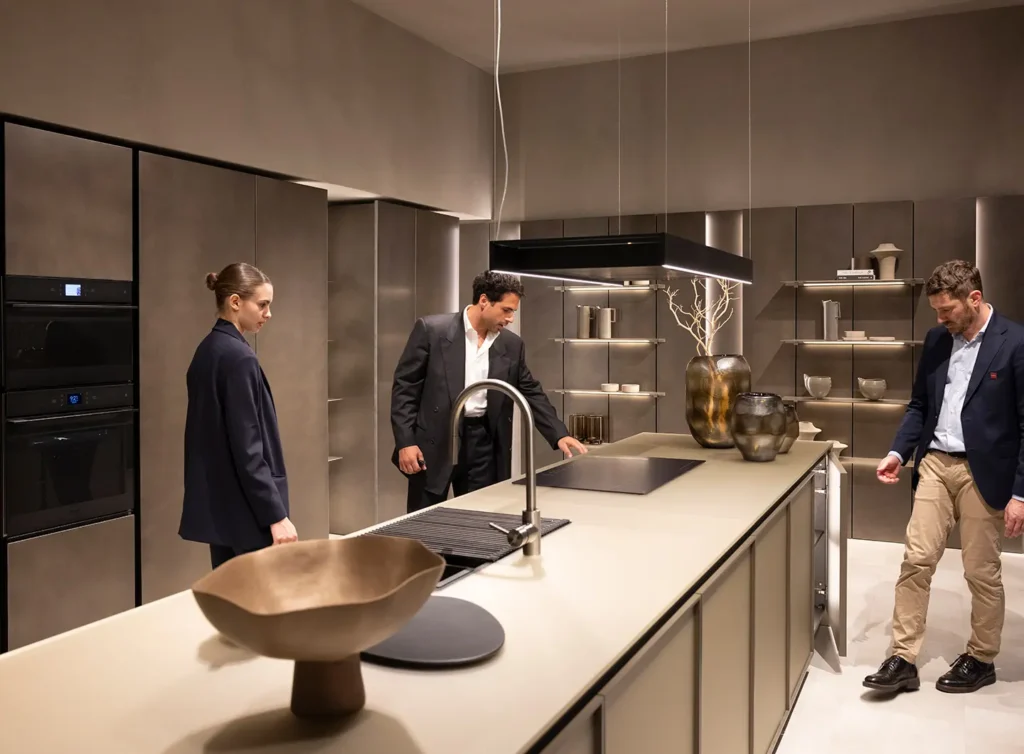
Returning as the biennial centrepiece of the Salone’s 64th edition, EuroCucina brought together 106 brands from 17 countries to articulate a shared conviction: the kitchen is no longer merely the heart of the home — it is its most strategic space. Between immersive pavilions, advanced materials and deeply integrated systems, the message was consistent and clear. The traditional workspace has become a domestic ecosystem where design, technology, conviviality and well-being coexist without hierarchy.

Veneta Cucine, EuroCucina 2026_Salone del Mobile.Milano

The expanded kitchen

Boundaries between interior spaces are dissolving. The kitchen now dialogues with the living room, flows toward the exterior, and traverses the home as a continuous surface — seamlessly and without threshold.

Invisible technology

Smart integration in 2026 does not seek spectacle. It works discreetly — AI-assisted cooking, self-optimising appliances, connected systems — simplifying daily life without announcing itself.

An expanded space — dissolving the boundaries

One of the defining ideas of EuroCucina 2026 was the progressive elimination of thresholds between domestic interiors. Veneta Cucine’s Spazio Continuo concept placed large monoblocs and islands that ideally traverse the house, continuing through terraces into the garden. Snaidero, marking its 80th anniversary, chose synaesthesia as its narrative key — kitchen and living room resolved into a single landscape of materials, light and relationships. Scavolini advanced its integrated home thesis with Flair and Stilo, systems that connect kitchen, bathroom, living room and home office through a coherent transversal language. Miele’s concept, Designed to Move with You, envisioned the kitchen as a mobile and responsive setting — spaces that adapt to the rhythms of the day and the needs of those who inhabit them.

Scavolini, EuroCucina 2026_Salone del Mobile.Milano

“The kitchen is no longer just the heart of the home, but its most strategic space — a domestic ecosystem where design, technology, conviviality and well-being coexist without hierarchies.”

Invisible technology — practical intelligence, discreetly delivered

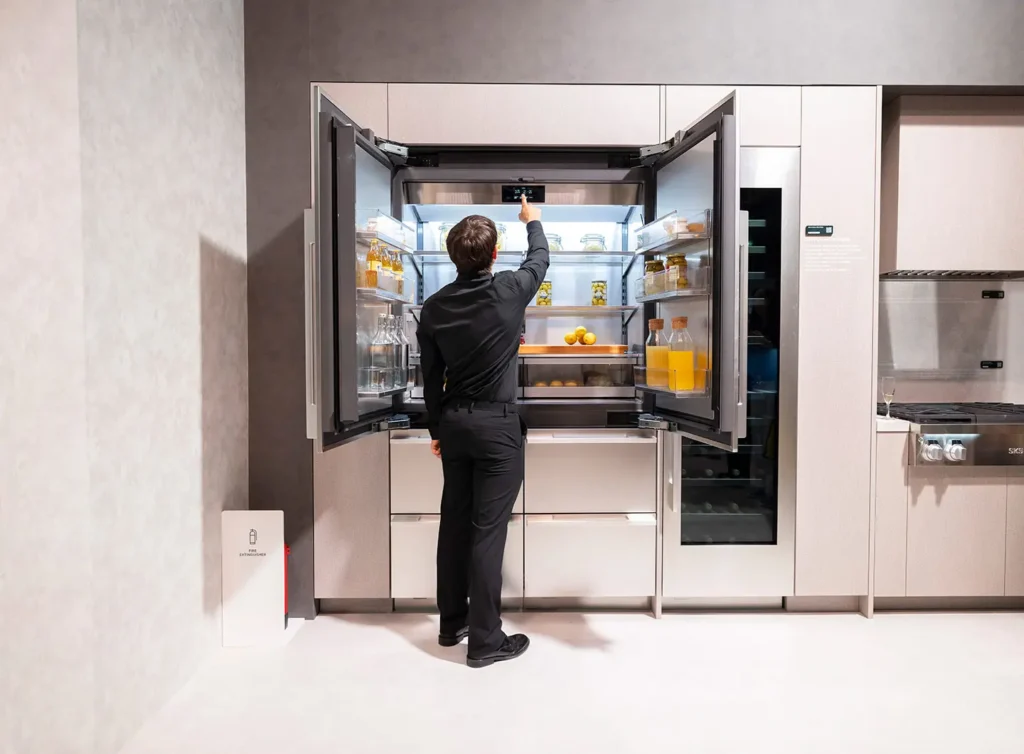
If the form of the kitchen is opening out, its technology is adopting a new and quieter outlook. The smart kitchen of 2026 does not perform; it serves. The brands at EuroCucina converged on a vision of intelligence that is embedded, not exhibited.

Signature Kitchen Suite, EuroCucina 2026_Salone del Mobile.Milano

Taken together, the EuroCucina 2026 presentations mapped a kitchen that has fully matured into something richer than a room of functions. It is a place of daily ceremony – open, intelligent, and quietly designed to disappear into the flow of life. In the broader context of Salone del Mobile’s 2026 thesis  design as cultural and strategic ecosystem. The kitchen stands as its most compelling proof.

Four design directions emerging from Milan

  • The Sensorial Interior  Design experiences that engage smell, touch, and sound — not just sight.
    From USM x Snøhetta to Aesop’s bottle-landscape, the most memorable spaces this year were felt, not just seen.

  • Orange as the Defining Colour
    From Nilufar’s otherworldly sconces to Knoll’s tiered Biboni lounge chair by Johnston Marklee, a muted, sophisticated tangerine dominated both the fair pavilions and the collectible circuit.
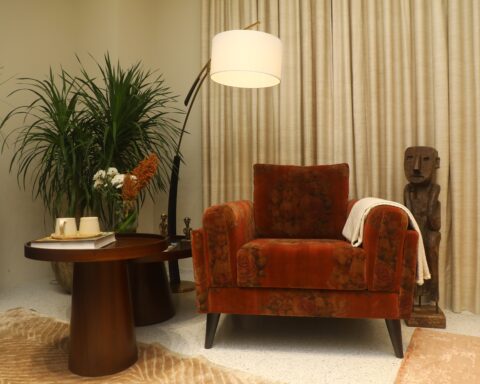
  • The Return of the 1970s Low-slung forms, maximalist colour, shag fur, and conversation-pit seating arrangements confirmed a sustained revival of 1970s residential language — revisited through contemporary craft and material precision.

  • Collectible Design Meets B2B
    The inaugural Salone Raritas confirmed a structural shift: limited editions and authorial pieces are no longer confined to private collectors. They are becoming identity markers within hotels, residences, and experiential retail — objects of spatial strategy.

If the 64th edition is remembered for one idea, it may be this: design as infrastructure. Not the infrastructure of roads and buildings, but of meaning — cultural, economic, and experiential. Milan in April 2026 felt less like a trade fair and more like a manifesto.

check out more details at  www.salonemilano.it/en/design-stories/

Design Essentia Magazine

specially curated by the editorial team at Design Essentia Magazine.

Previous Story

Abaar / Studio Rust

Latest from DIRECTIONS