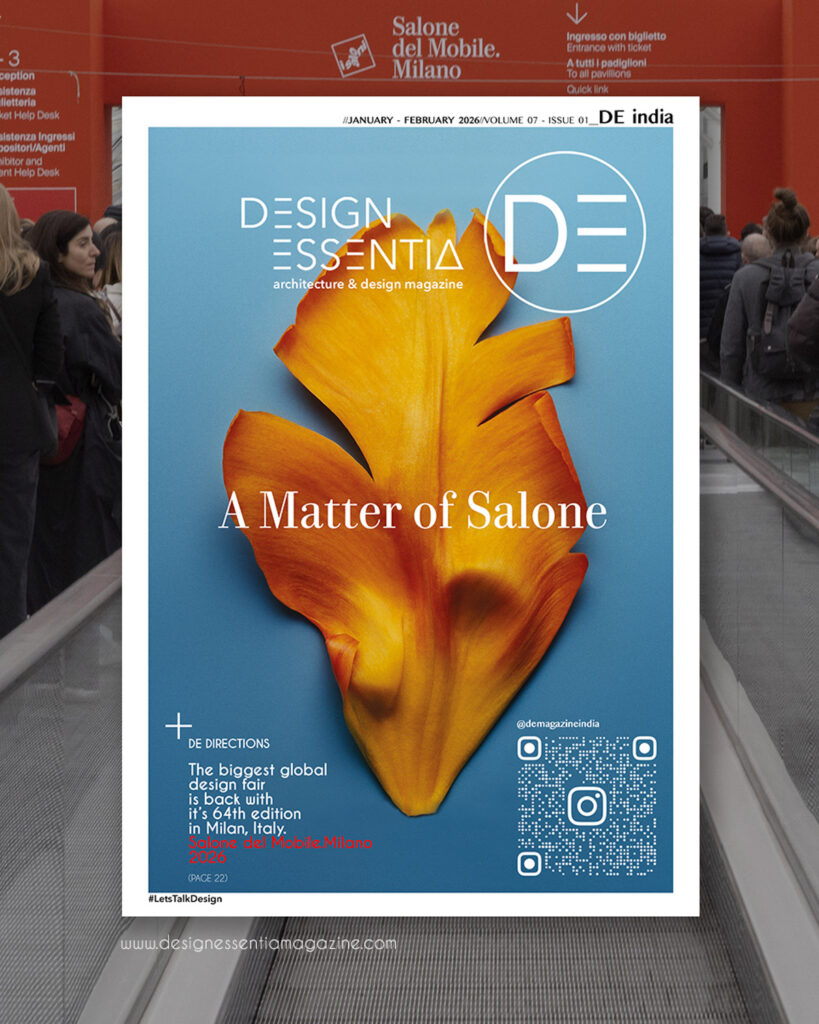




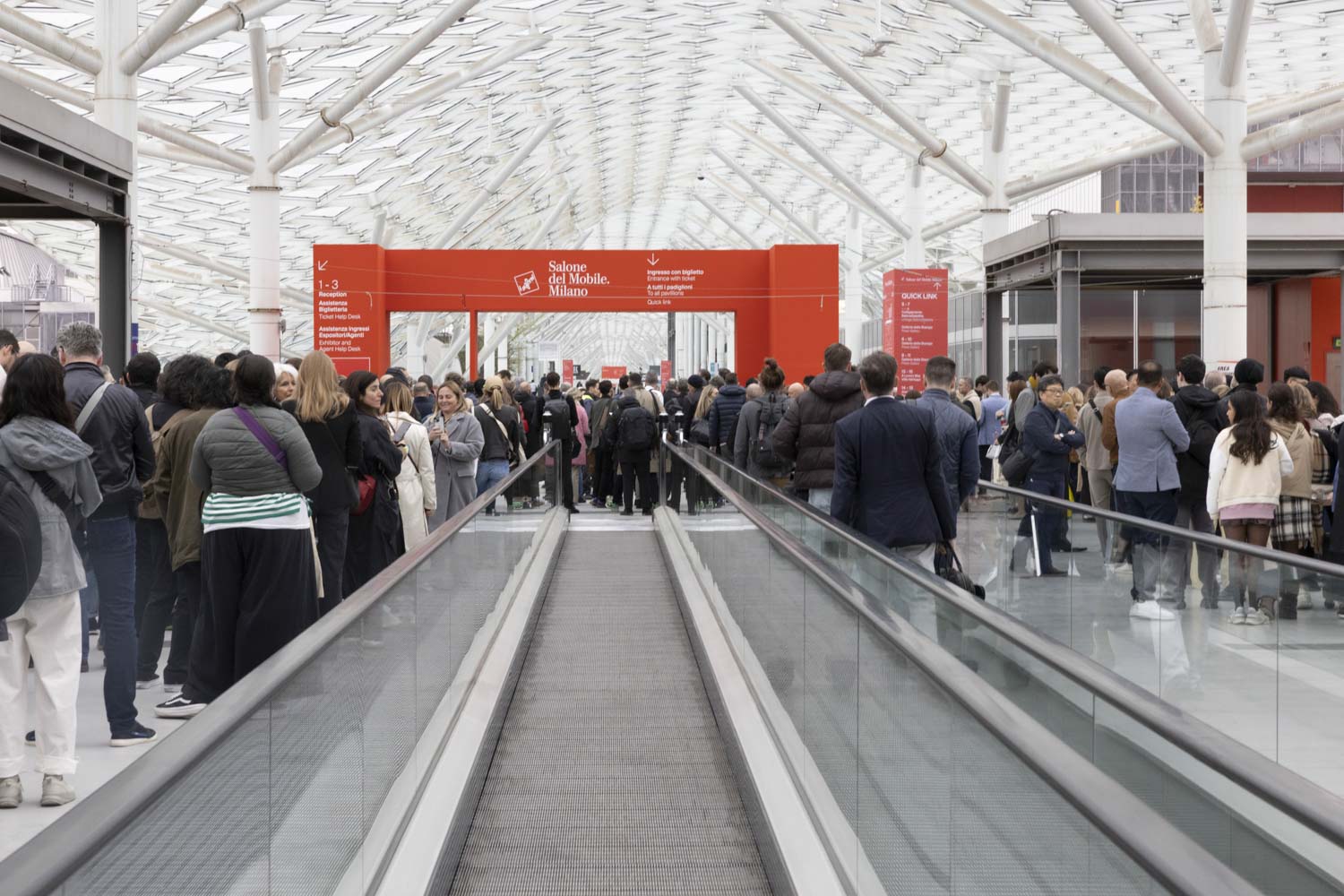

The biggest global architecture and interior design fair is back with it’s 64th edition in Milan, Italy during the annual Milan Design Week.
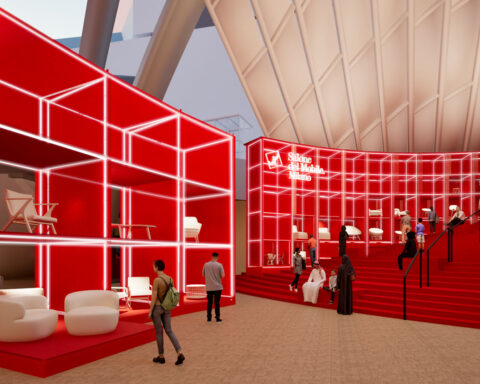
The countdown to the 64th edition of the Salone del Mobile.Milano 2026 (21st–26th April, Rho Fiera Milano,) is on: more than 1,900 exhibitors (36.6% from abroad), 227 brands including first-timers and returnees, over 169,000 square metres of net exhibition space completely sold out.
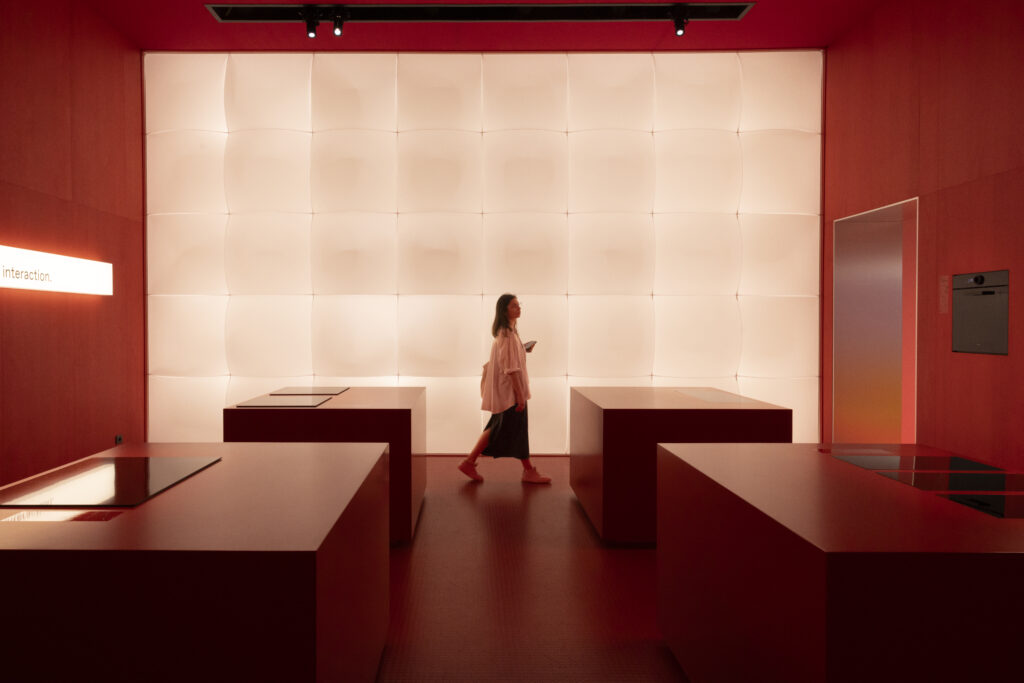
At the centre of it all is the eagerly awaited return of the biennial exhibitions: EuroCucina with FTK – Technology For the Kitchen, featuring 106 brands from 17 countries, and the International Bathroom Exhibition, which will bring together 163 brands from 14 countries. Completing the picture is SaloneSatellite with 700 designers under 35 and 23 international schools and universities.
These figures confirm that the Salone is not only the most important international furniture and design fair, but also an active and evolving cultural infrastructure: a relational and strategic driver that fuels global connections, disseminates shared visions and consolidates Milan’s role as the capital of contemporary design.
Over 1,900 exhibitors from 32 countries are testament to the international scope of the Salone, which is increasingly becoming a strategic driver for the sector.
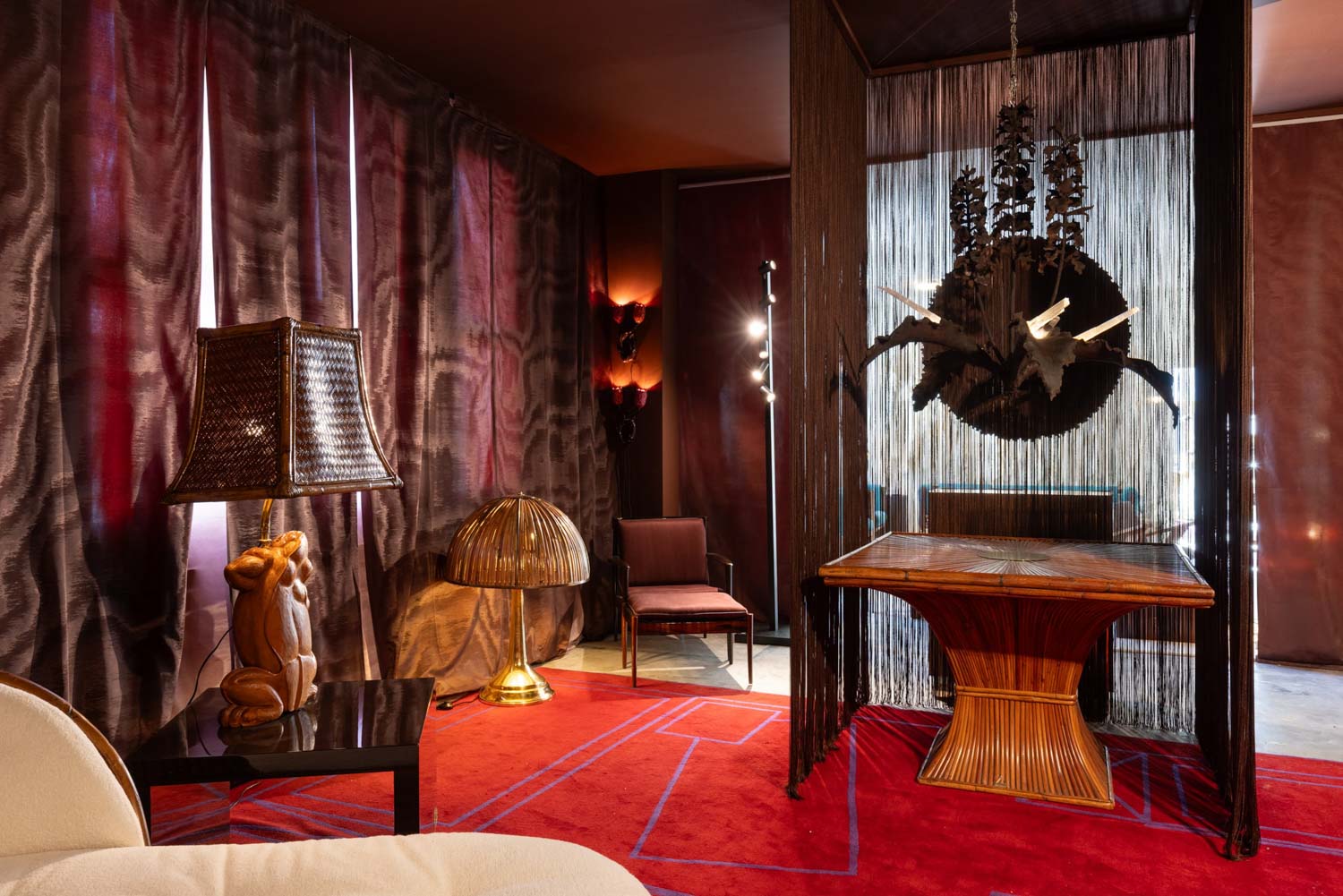
The 64th edition is evolving in an increasingly connected and accessible way, consolidating the Salone as a platform for cultural, design and curatorial innovation. The new features include the debut of Salone Raritas; the installation Aurea, an Architectural Fiction, which intertwines heritage and innovation in the A Luxury Way experience; an increasingly active synergy between exhibitors and the city; and the launch of the Salone Contract project, which will take shape in 2026 with dedicated itineraries and a talk at the fair, ahead of its official debut in April 2027.
in conversation with
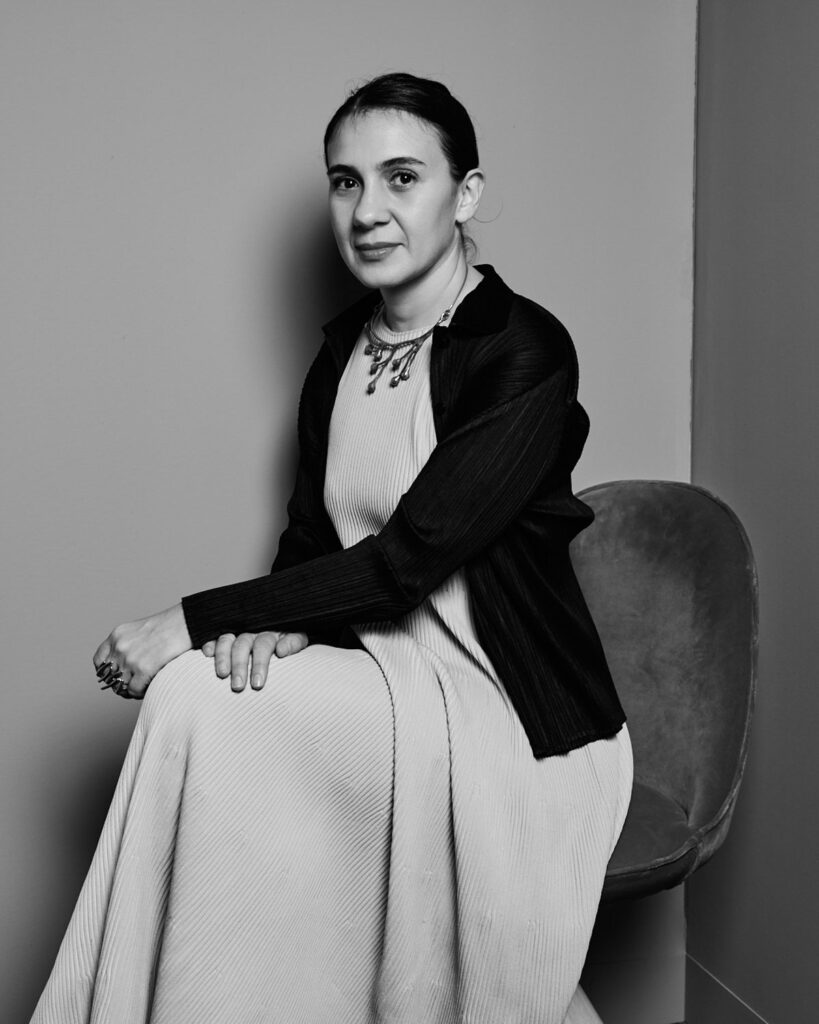
Maria Porro
DE Editor-in-chief Anirudh Datta had a detailed interaction with Maria Porro – President, Salone del Mobile.Milano for our DE INDIA Jan-Feb 2026 edition. Maria talks about the theme and whats new at Salone del Mobile 2026 this year.
AD: Firstly, how does it feel to enter the 64th edition of Salone del Mobile this year? What do you look forward to?
MARIA: Entering the 64th edition is both a responsibility and a moment of renewed energy. In a time marked by geopolitical and economic discontinuities, the Salone reaffirms itself as a stable, strategic platform for dialogue and vision. With over 1,900 exhibitors from 32 countries and a completely sold-out exhibition space, we feel the strength of an ecosystem that continues to grow internationally. What I look forward to most is the quality of exchange — the encounters between companies, designers, institutions and young talents. The Salone is not just an event; it is a collective construction of the future of design.
AD: Looking at Salone 2026 as a whole, what kind of dialogue do you hope to spark — not only during the fair, but in the months and years that follow?
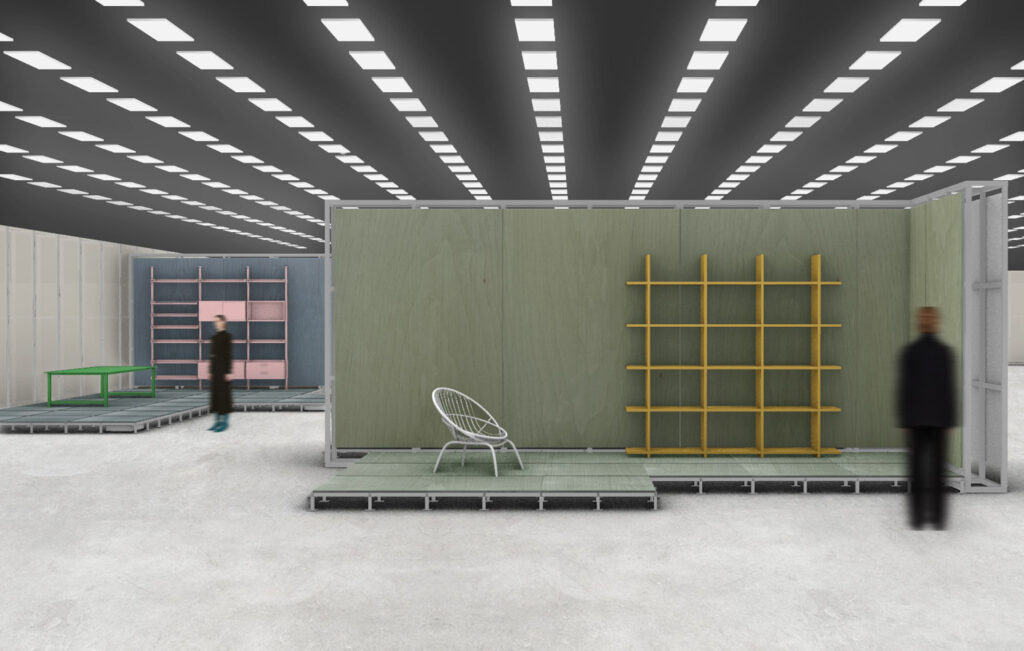
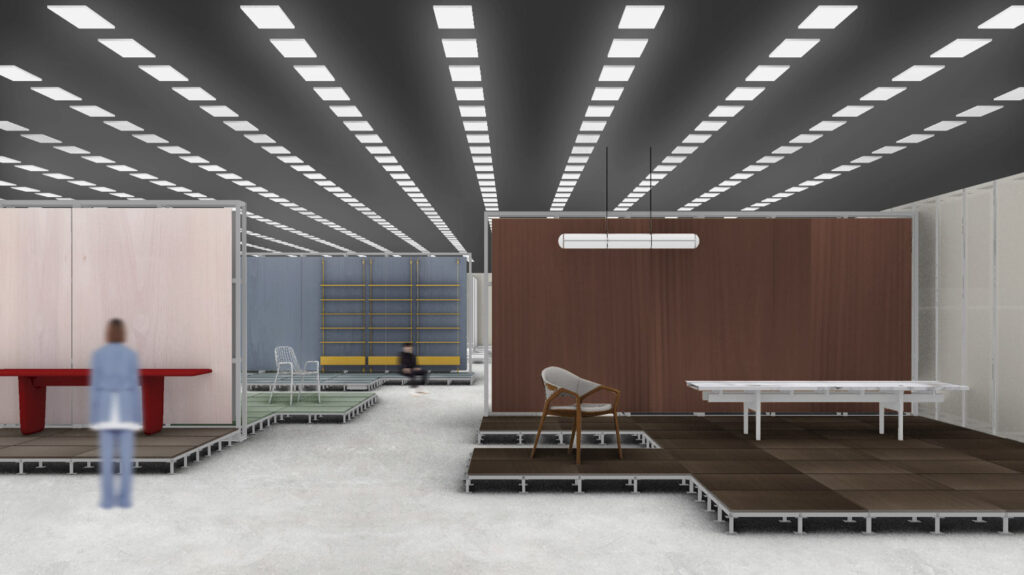
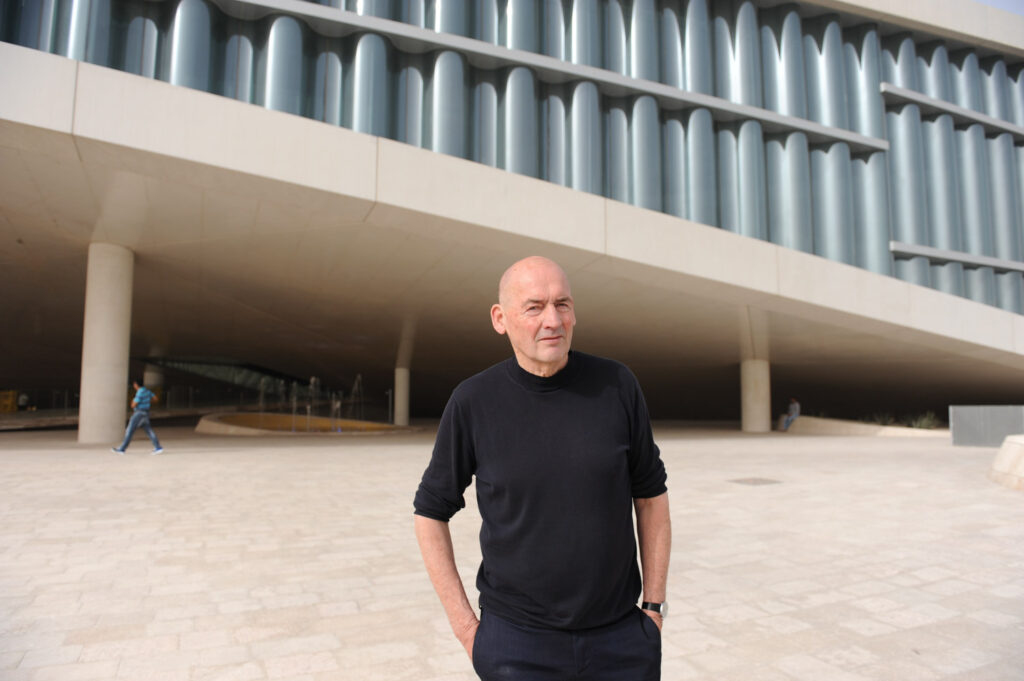
MARIA: I hope Salone 2026 will spark a dialogue that moves beyond the presentation of products and addresses the structural transformations of our industry. With Salone Contract, for example, we are opening a reflection on a segment where value increasingly lies in integrated systems, services and long-term project management, not just in objects. The lecture by Rem Koolhaas, the international forum with OMA and the road tour beginning in September 2026 are designed to build continuity and an informed global audience over time. At the same time, Salone Raritas brings collectible and authorial design into direct dialogue with architects and developers, responding to a growing demand for identity-driven spaces. Even installations like Aurea or the new wayfinding system reflect this broader ambition: to rethink experience, sustainability and accessibility as strategic dimensions. The Salone should function as an evolving infrastructure — capable of offering orientation, vision and concrete tools well beyond the six days of the fair.
AD: You describe the Salone increasingly as a strategic driver rather than a traditional fair. What responsibilities come with this role?
MARIA: To define the Salone as a strategic driver means recognising it as an infrastructure — economic, cultural and diplomatic. It means assuming responsibility not only for presenting products, but for strengthening competitiveness, generating trust and supporting industrial repositioning in times of instability. The Annual Report (Eco) Sistema Design Milano was conceived precisely as a permanent observatory: a shared research platform developed with the Politecnico di Milano and over 240 stakeholders, mapping the impact of design on the city, the production chain and cultural ecosystems. This data-driven approach transforms the Salone into a tool of orientation. For Milan, it means consolidating its role as a laboratory where manufacturing and culture converge. For the industry, it means enabling internationalisation — from Riyadh to Shanghai to New York — through concrete B2B infrastructures and economic diplomacy. For the global design community, it means cultivating a space where culture is not an accessory, but a strategic lever for long-term industrial vision.
AD: Salone Contract marks a significant strategic shift. What gap did you feel needed to be addressed?
MARIA: The contract segment is undergoing profound transformation, shifting from individual products to integrated systems, data and services. We identified a gap in the way the sector was represented: there was no structured platform capable of interpreting its complexity and future growth. The global contract market is expected to exceed €110 billion in the next decade. Now is the right moment because competitiveness depends on digital readiness, sustainability and production agility.
Salone Contract is conceived as a Masterplan, not simply an exhibition, designed to support companies in positioning themselves credibly in this evolving ecosystem.
AD: With OMA entrusted with the Contract Masterplan, what approach can visitors expect?
MARIA: With OMA, we chose not an exhibition designer, but a research-driven architectural practice capable of reading systems. In 2026, visitors can expect a cross-cutting, analytical approach: thematic pathways among exhibitors, an international forum with curated dialogues that explore hospitality, retail and real estate as interconnected environments. The 2026 edition will act as a critical phase, preparing the structured 2027 exhibition. The emphasis is on understanding contexts and building an infrastructure that supports long-term transformation.
AD: How did you balance cultural value and commercial viability in Salone Raritas?
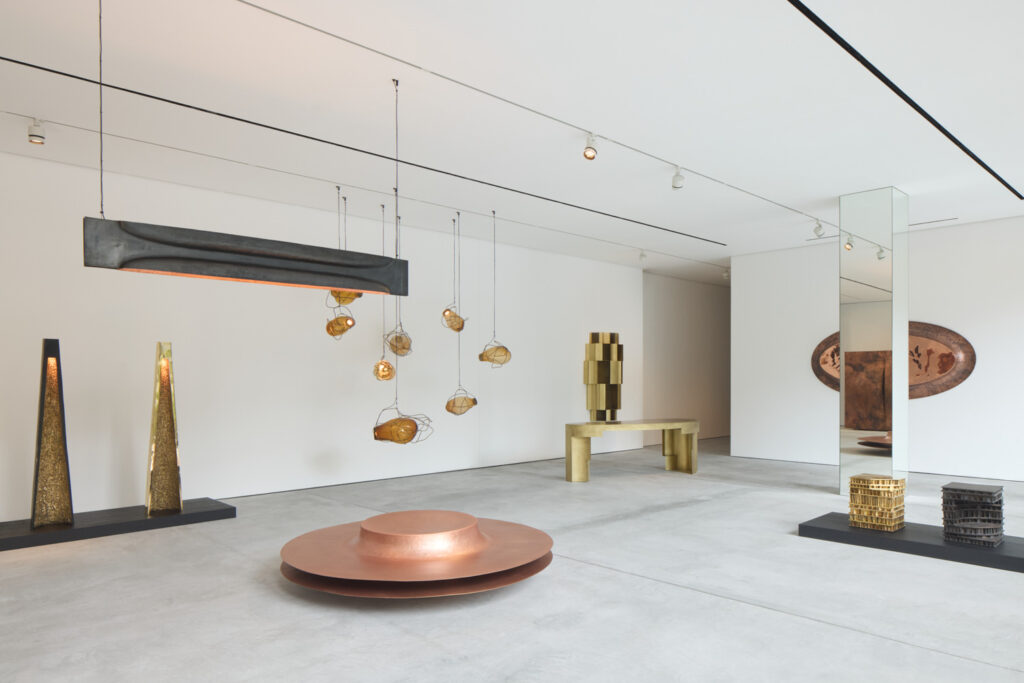
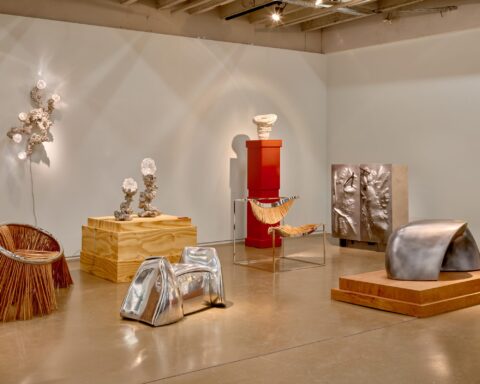
MARIA: Salone Raritas was conceived as a curated ecosystem, not as a luxury enclave. We deliberately limited participation to fewer than 25 exhibitors to guarantee coherence, authority and a precise curatorial narrative. The exhibition design by Formafantasma reinforces this approach: the space functions as an architectural lantern, allowing each piece to speak within a controlled and recognisable context. The balance lies in clarity of positioning. Raritas does not separate culture from business; it integrates them.
Today, limited editions, unique works and high-end craftsmanship are increasingly integrated into hospitality, residential and experiential retail projects. In this scenario, rarity becomes a method — a way to connect collectible design with professional demand. Cultural depth generates economic relevance when identity and authorship become strategic assets within large-scale contemporary projects.
AD: What changes when collectible objects enter dialogue with architects and contract operators?
MARIA: When collectible design enters the B2B sphere, it shifts from private contemplation to spatial strategy. Limited editions and rare pieces become identity markers within hotels, residences and public spaces. This direct confrontation with the international design chain generates new opportunities and new responsibilities. The object is no longer isolated; it becomes part of a broader narrative and architectural language. This integration opens up a new territory where cultural depth meets large-scale commissions.
AD: What would you hope architects and clients take away from Raritas?
MARIA: I hope they rediscover the power of objects as acts of language. Salone Raritas invites professionals to slow down and recognise the value of authorship, materiality and vision.
If it changes perspectives, it will be because architects begin to consider rarity not as decoration, but as narrative infrastructure — a way to embed meaning into space and create projects that endure culturally as well as aesthetically.
AD: India is identified as a key future market. What dialogue do you envision?
MARIA: India represents one of the most dynamic and promising growth contexts. I envision a dialogue rooted in craftsmanship and innovation — themes that resonate strongly with both Italian and Indian cultures. 2026 Salone Satellite’s focus on skilled craftsmanship and innovation reflects this shared sensibility. The exchange should not be unilateral: it must be a mutual enrichment of materials, techniques, and narratives, opening space for new collaborations and hybrid design identities.
AD: How important is the notion of journey in installations like Aurea?
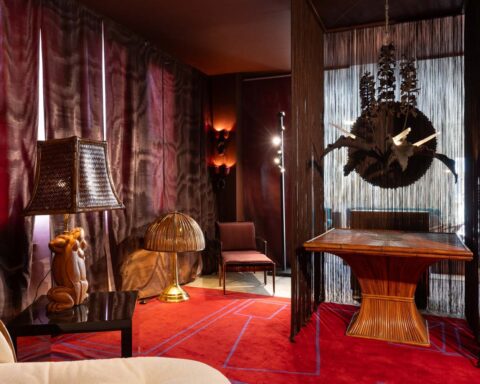
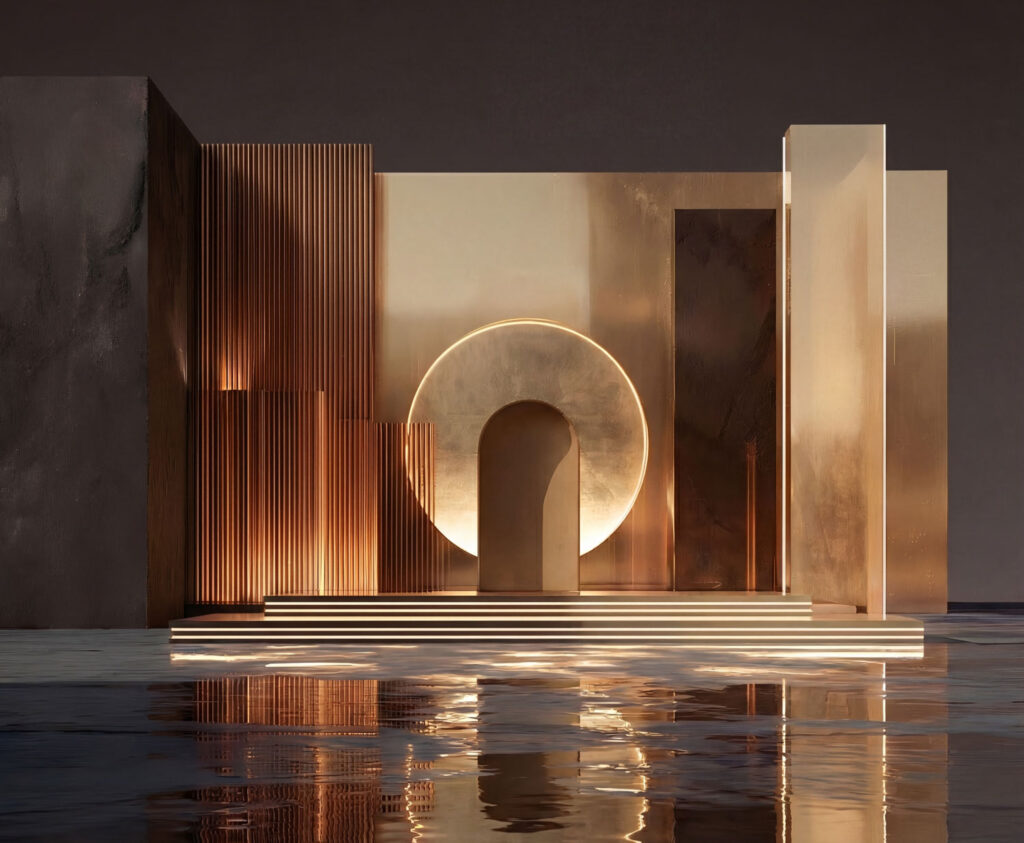
MARIA: The notion of journey is fundamental. With Aurea, visitors become travellers moving through theatrical and immersive environments. The installation transforms hospitality into narrative choreography, where light, matter and atmosphere construct emotional sequences. This reflects our broader approach: installations are no longer scenography accessories, but research platforms that interpret how we inhabit space. The Salone commissions projects that activate perception and imagination, reinforcing design as an experiential language.
AD: How does Aurea align with the Salone’s reflection on multisensory design?
MARIA: Aurea embodies a multisensory vision in which light, materials and spatial rhythm create emotional resonance. It also integrates sustainability as a responsible expression of luxury. This aligns with our broader emphasis on circularity, systemic design and measurable impact. Multisensory design today is not excess, but consciousness — the ability to orchestrate atmosphere, technology and ethics into coherent experiences.
AD: If Salone 2026 were remembered for one defining idea, what would you hope it to be?
MARIA: I would hope it is remembered as the edition that consolidated the Salone as an infrastructure of vision. 2026 expands our scope: from product to system (Contract), from uniqueness to professional integration (Raritas), from exhibition to narrative journey (Aurea). If there is one defining shift, it is this: design understood not as an isolated object, but as a cultural, economic and strategic ecosystem capable of shaping the future collectively.
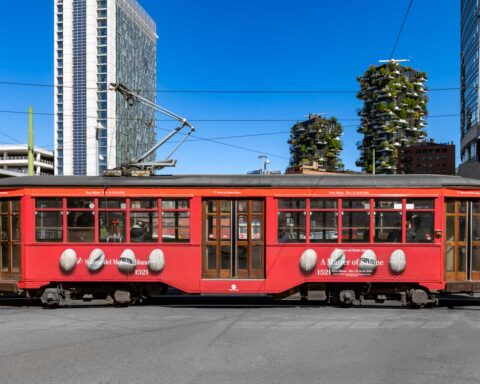
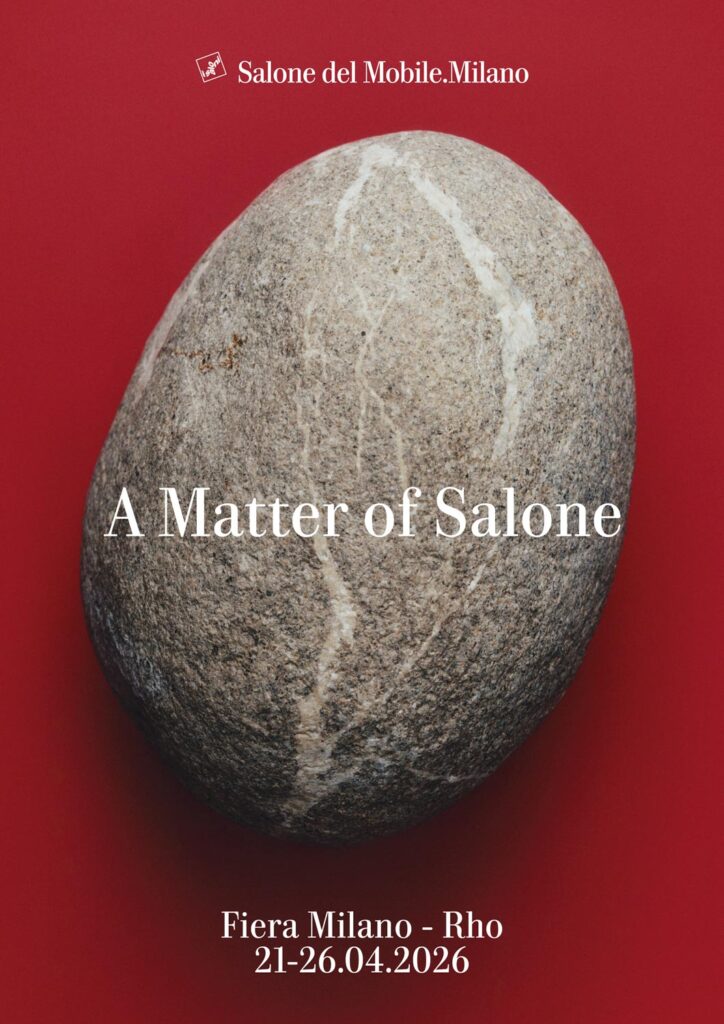
A Matter of Salone is a great deal more than just a visual project. It is an act of listening and translation. An invitation to see design not just as a discipline, but as an embodied thought, capable of criss-crossing materials and meanings, of restoring depth to the act of designing. Here matter is no longer just a resource or a surface: it is a voice, a story, a horizon to be imagined together.
CHECKOUT THE FEATURE IN OUR DE INDIA JAN-FEB 2026 EDITION.
Also available on Magzter