





NOMAD St. Moritz 2026: Collectible Design at Altitude
The winter edition of NOMAD returns to St. Moritz for its ninth Swiss edition—our flagship destination—celebrating the singular dialogue between architecture, nature, and design in the magical Engadin Valley.
Earlier this month, NOMAD returned to St. Moritz for its ninth Swiss edition, once again affirming the Engadin Valley as one of the most compelling backdrops for collectible design in Europe. From 12 to 15 February 2026, the fair unfolded within the newly renovated Villa Beaulieu, a historic property overlooking the alpine landscape, reintroduced this year as a more expansive yet deeply intimate exhibition setting.
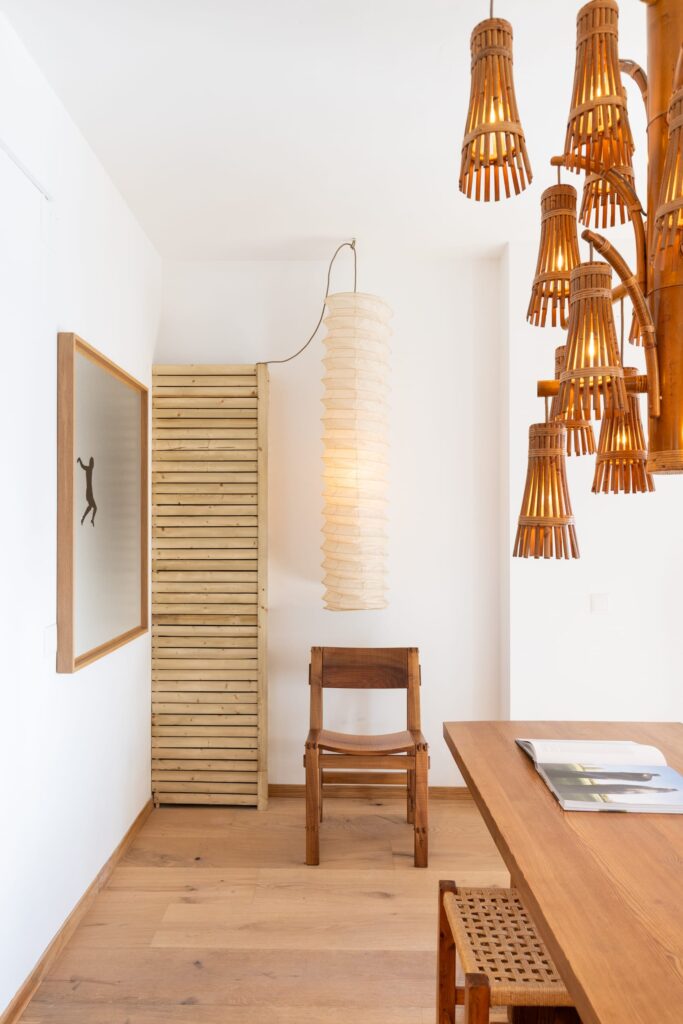
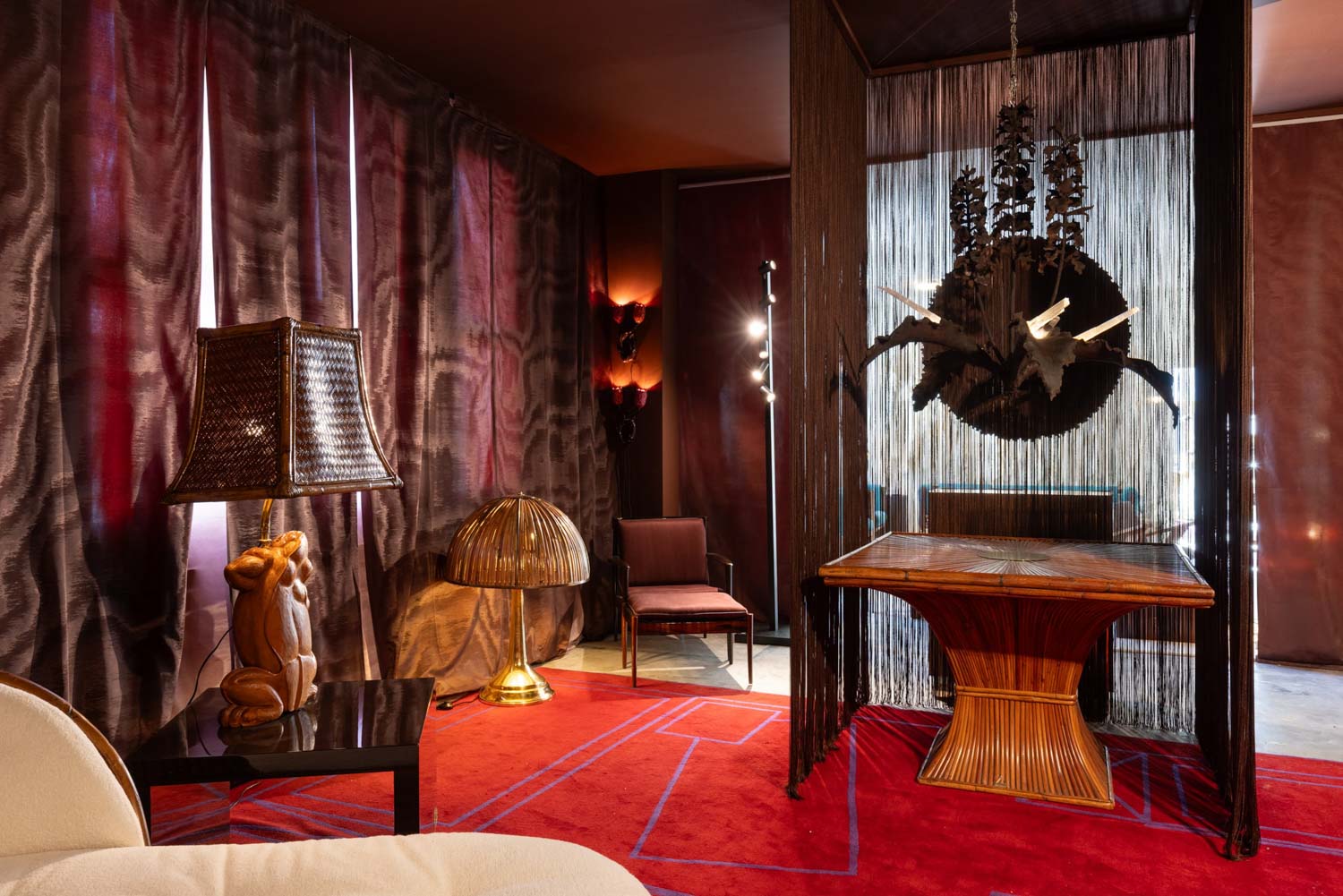
Far removed from the scale and spectacle of conventional design fairs, NOMAD St. Moritz 2026 embraced a residential format that transformed the villa into a temporary, fully inhabited world of art and design. Each room was curated as a distinct narrative, encouraging visitors to move slowly through corridors, salons, and private chambers where collectible works were staged within lived architectural contexts. The result was immersive rather than transactional, contemplative rather than hurried.
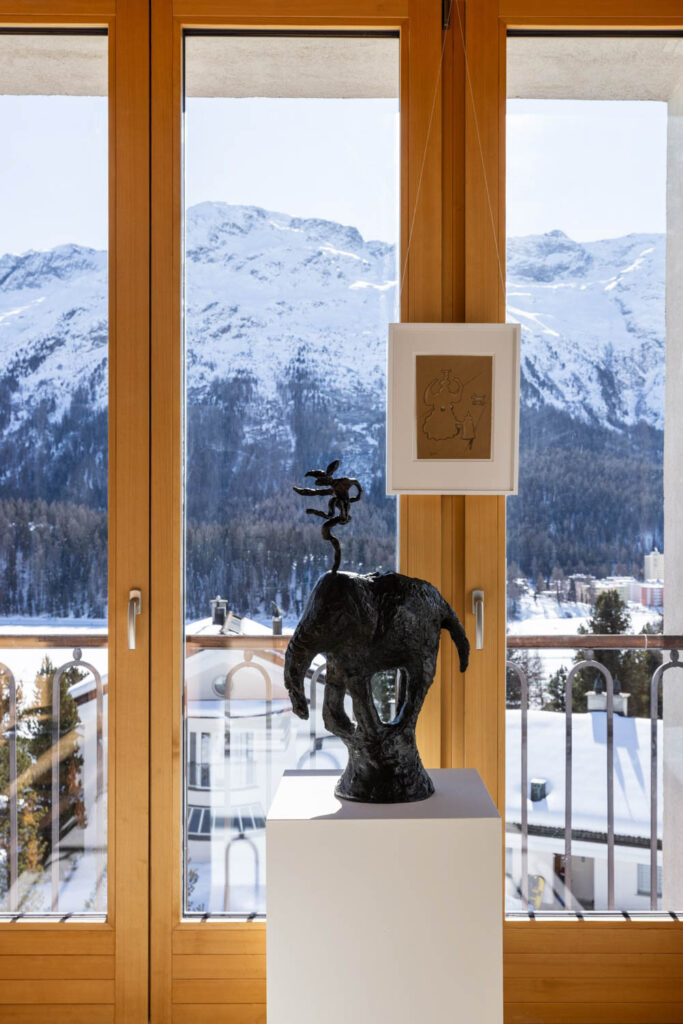
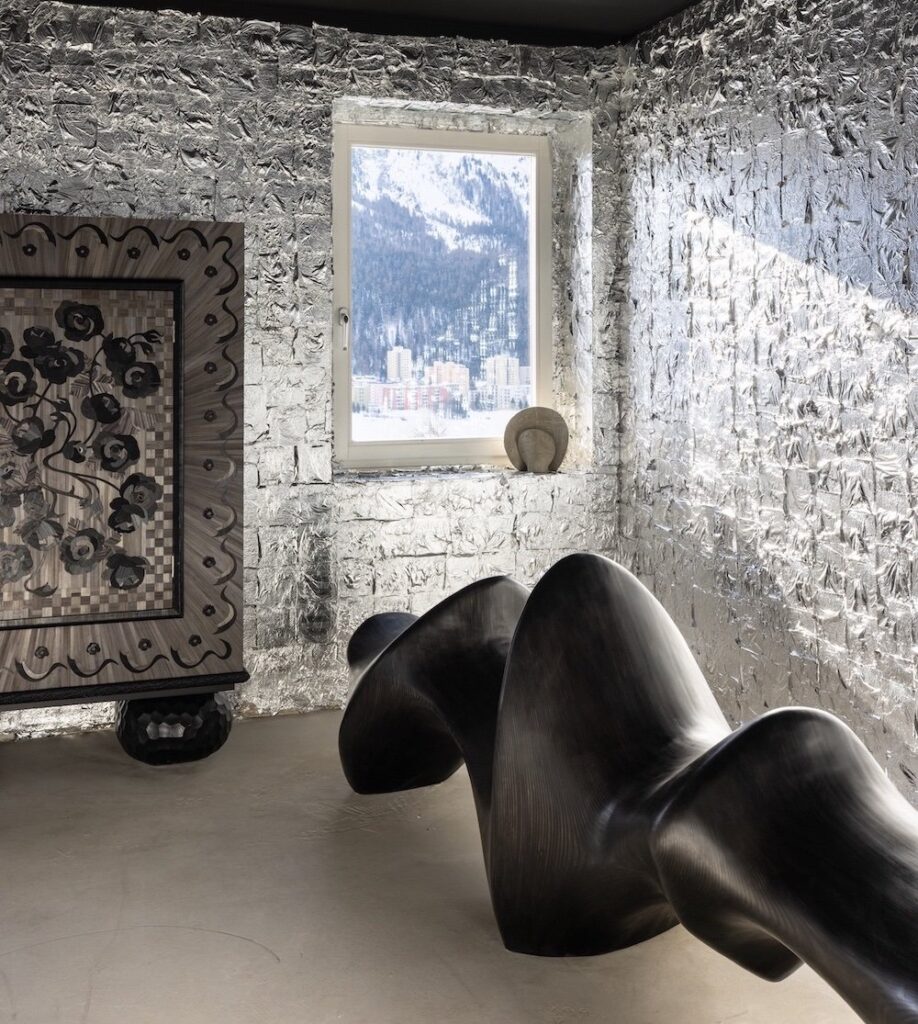
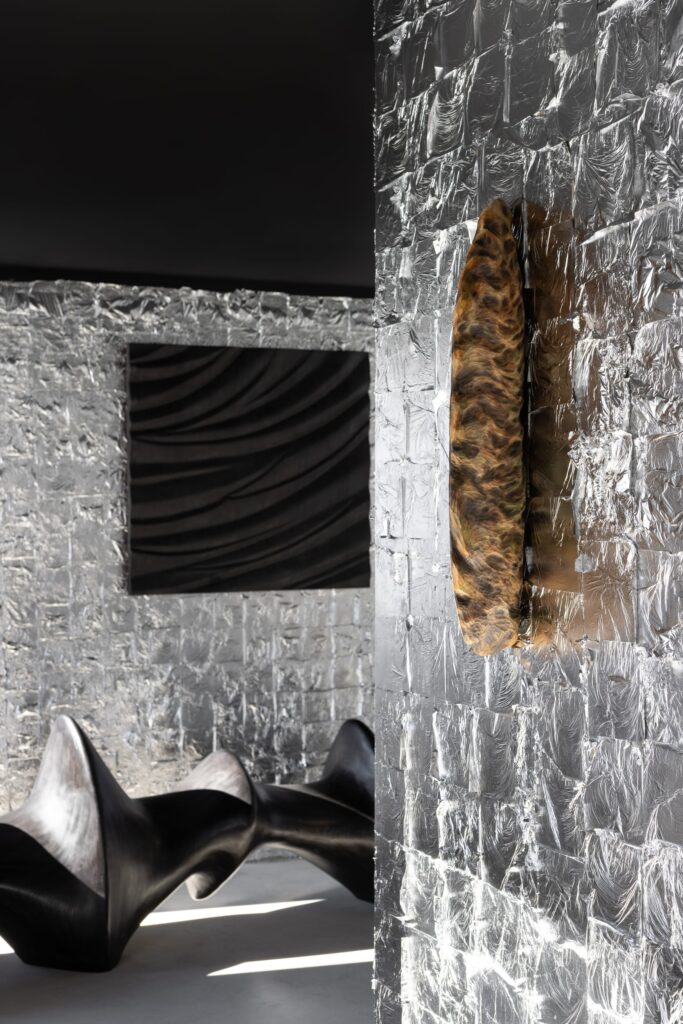
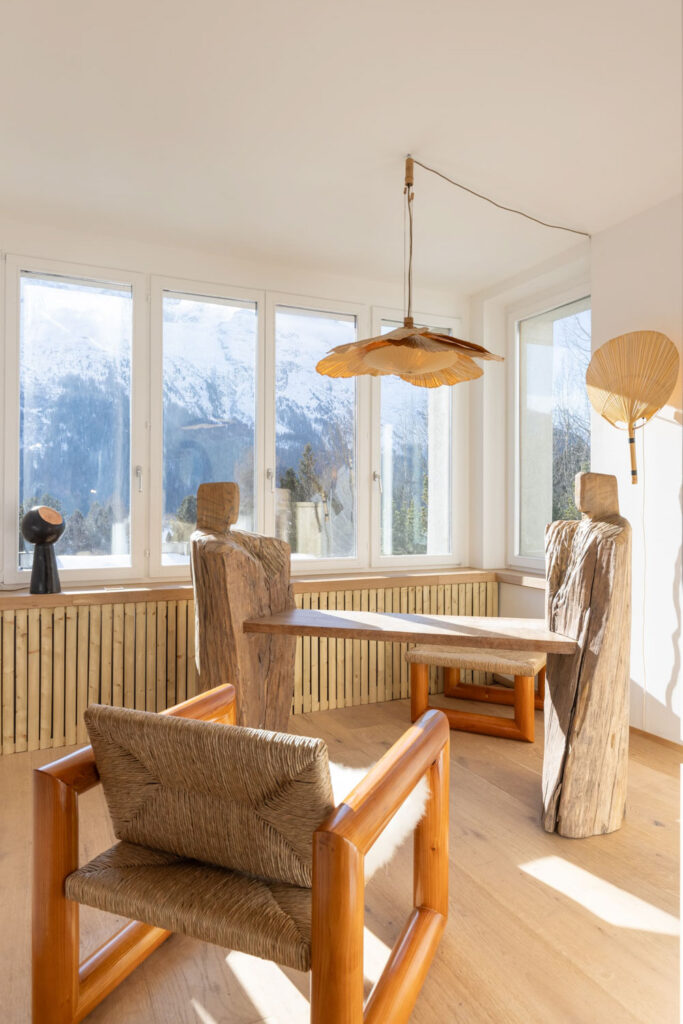
Snow softened the exterior landscape, and that stillness seemed to permeate the interiors. Materials felt heightened in the alpine light. Marble appeared cooler and more sculptural. Wood radiated warmth against the winter backdrop. Metal surfaces caught and reflected the clarity of mountain daylight. In this environment, design did not stand apart as display. It settled into space as presence.
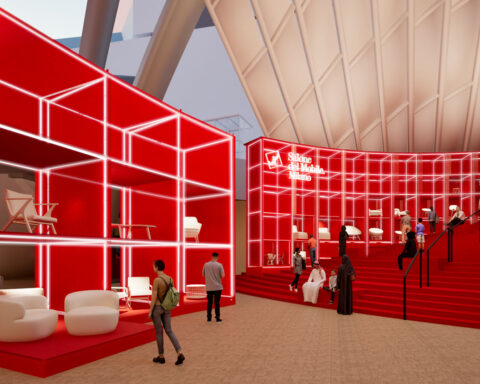
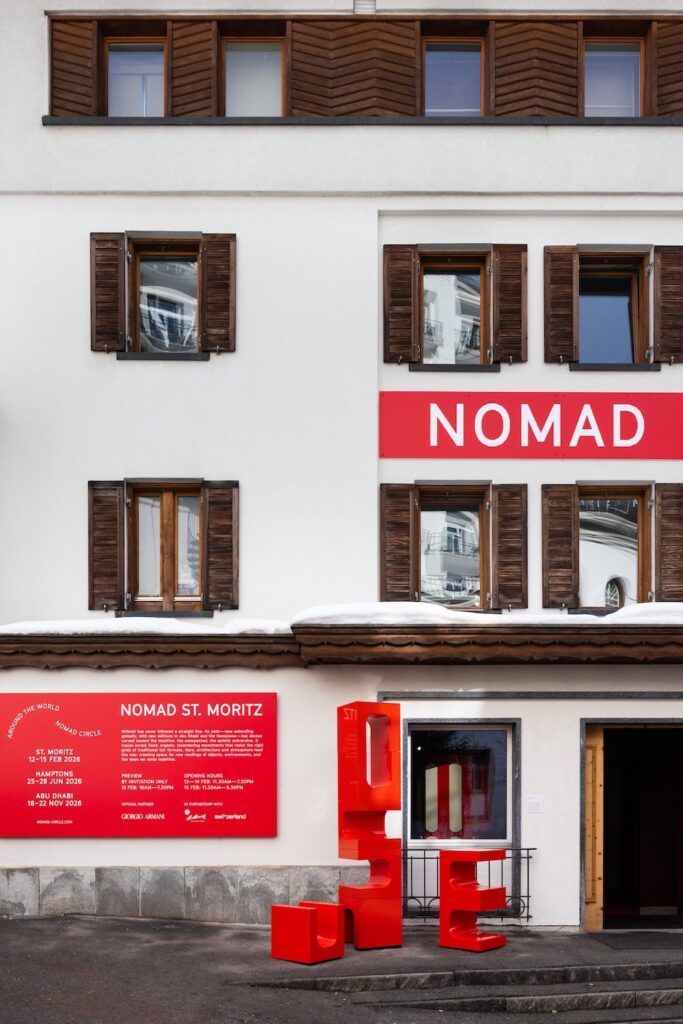
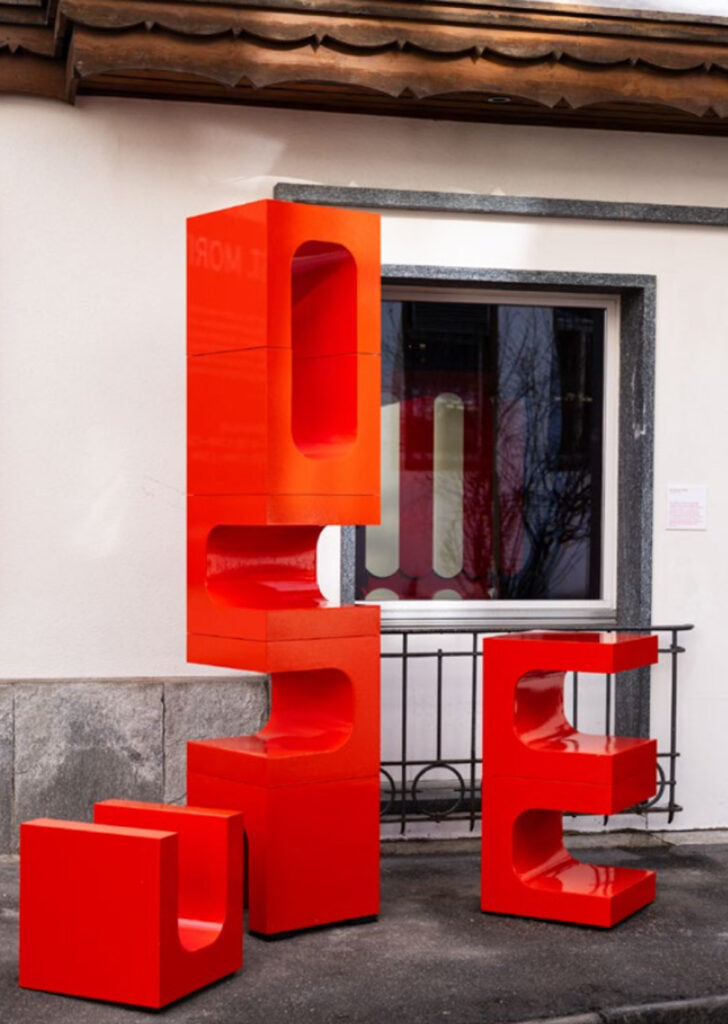
Visitors were welcomed by Emirati designer Omar Al Gurg’s vivid red NU installation, which served as a bold threshold into the fair. The modular composition explored structure and rhythm as universal architectural languages, its saturated colour sharply contrasting the muted alpine surroundings. It set the tone for an edition that balanced graphic impact with conceptual rigour.
An Intimate Platform for Cultural Exchange
What distinguished NOMAD this year was its carefully calibrated scale. Rather than overwhelming visitors with vast pavilions, the fair prioritised proximity and dialogue. Collectors, architects, curators, and gallerists engaged directly within the villa’s domestic framework, encountering works as they might exist within a private residence.
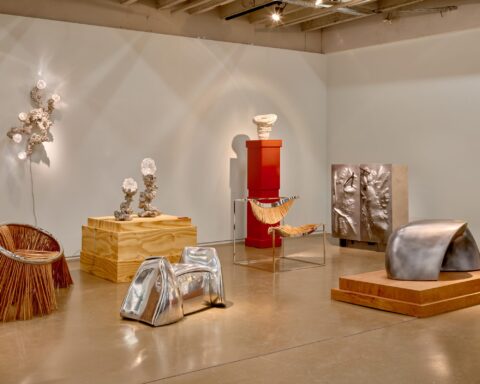
This format reinforced NOMAD’s reputation as one of the most discerning platforms for collectible design. The audience was focused, the presentations deliberate. Limited editions and unique works blurred the boundaries between sculpture and furniture, art and utility. The atmosphere encouraged reflection, with conversations unfolding against panoramic views of the valley.
Galleries in Focus
A strong roster of international galleries shaped the intellectual and aesthetic tenor of the edition.
Milan’s Nilufar brought sculptural lighting and furniture that drew inspiration from organic forms and experimental craftsmanship. Pieces by Maisonjaune and Rajan Bijlani reinterpreted domestic typologies through bold silhouettes and nuanced detailing. Within the alpine interiors, their works read as contemporary artefacts, expressive yet deeply considered.
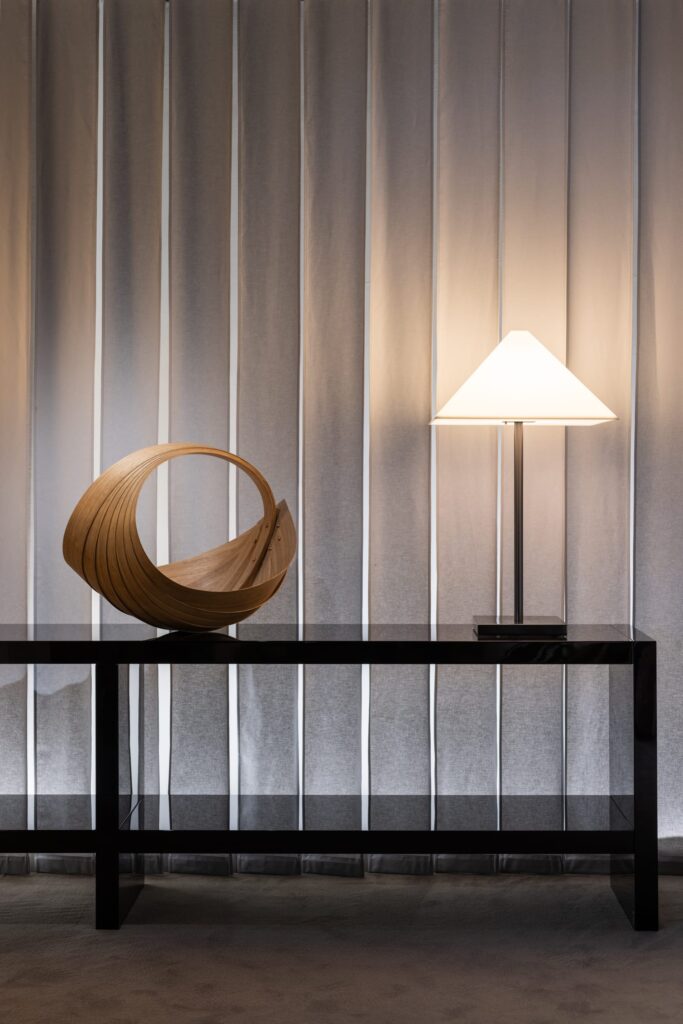
In contrast, Armani Casa presented a restrained vocabulary of clean lines and noble materials. Their installation emphasised proportion, surface refinement, and architectural discipline. In the mountain setting, this quieter interpretation of luxury resonated powerfully, echoing the precision and clarity of the surrounding landscape. This special curatorial project fosters an engaging exchange between contemporary craft by UK-based Jane Crisp and Yuta Segawa and the Armani/Casa universe, thoughtfully examining questions of function, scale, and material heritage.
Warsaw based Craftica Gallery introduced six emerging Polish designers, highlighting a dynamic creative scene. Zofia Sobolewska Ursic exhibited a cabinet that merged folk sensibilities with refined craftsmanship, while Cyryl Zakrzewski presented a dark timber piece inspired by natural growth patterns and geological time. Together, these works underscored the fair’s commitment to both heritage and innovation.
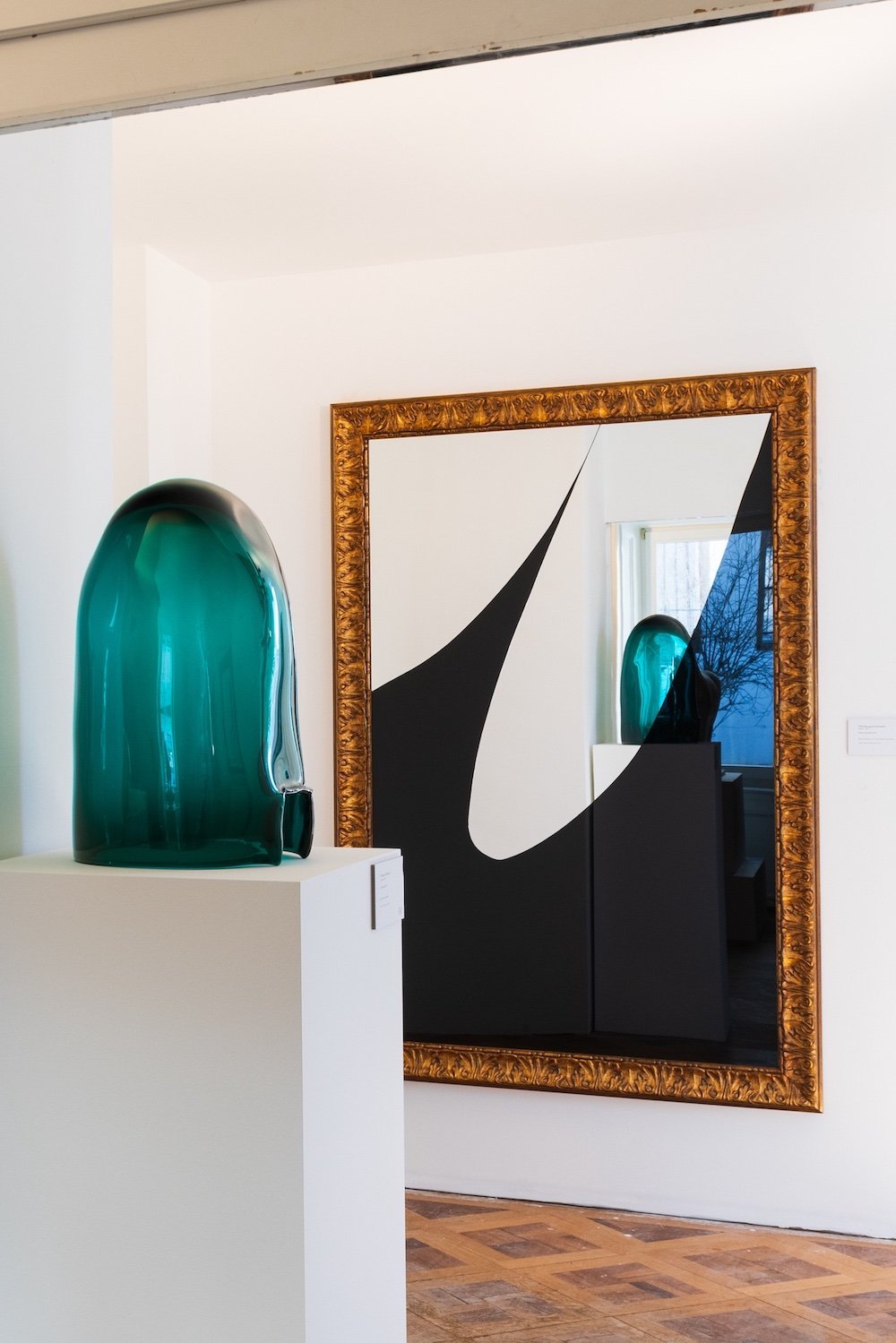
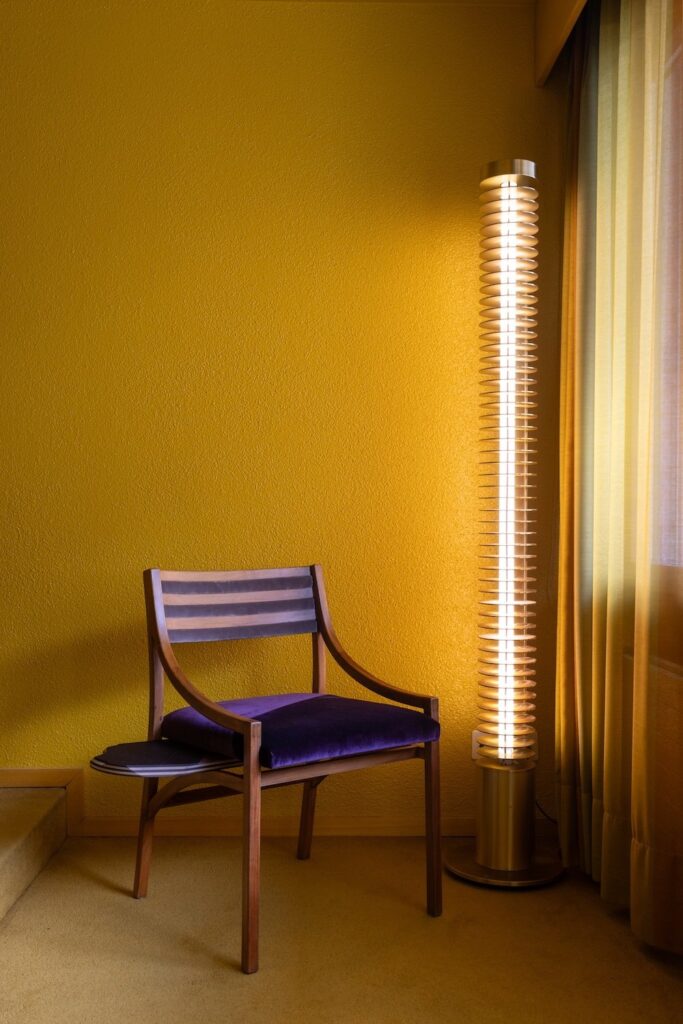
Robilant Voena, with its international presence spanning London, New York, and Milan, contributed a notable selection of modernist works, including pieces by Lucio Fontana and Pablo Picasso. Meanwhile, The Yellow Apartment’s special project featured works by Rachele Bianchi, Riccardo Schweizer, and Ico Parisi, adding historical depth to the contemporary dialogue.
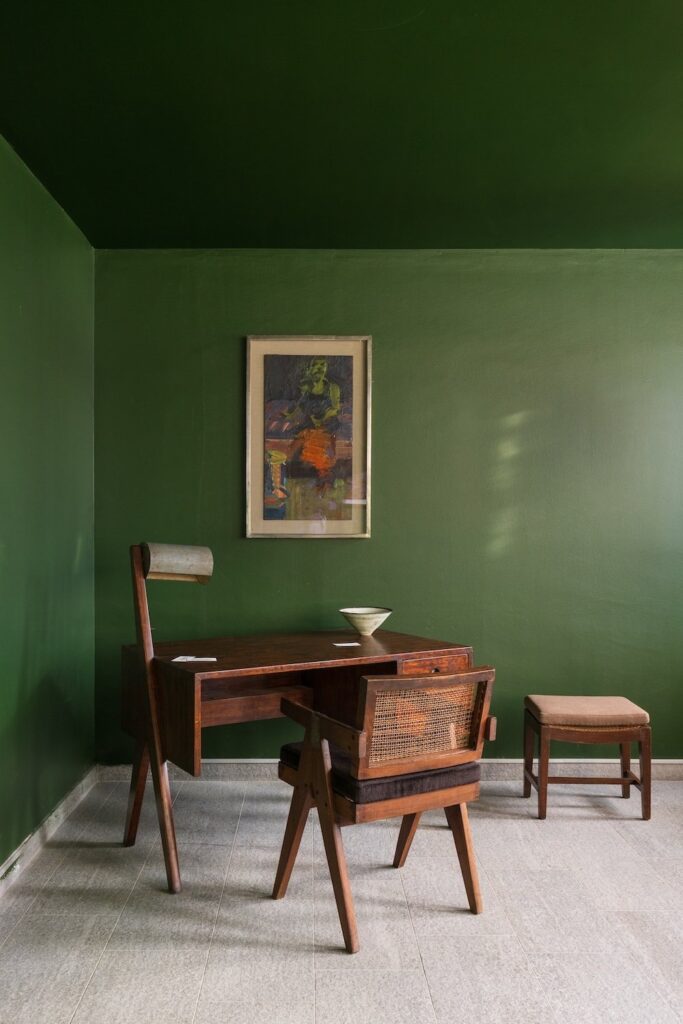
Across the fair, materials such as bronze, rare woods, stone, and richly textured textiles dominated the scenography. The emphasis on artisanal mastery was unmistakable. Edges revealed the hand of the maker. Surfaces carried traces of process. Craft was not merely aesthetic but integral to value.
Off Site Project
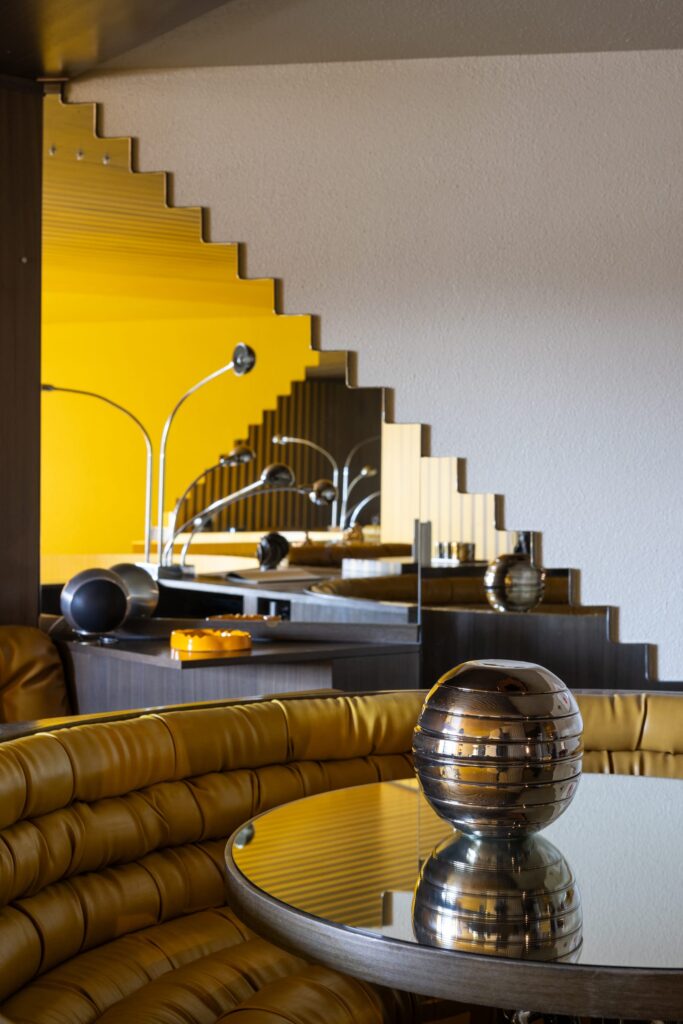
YELLOW APARTMENT. RACHELE BIANCHI, RICCARDO SCHWEIZER, ICO PARISI
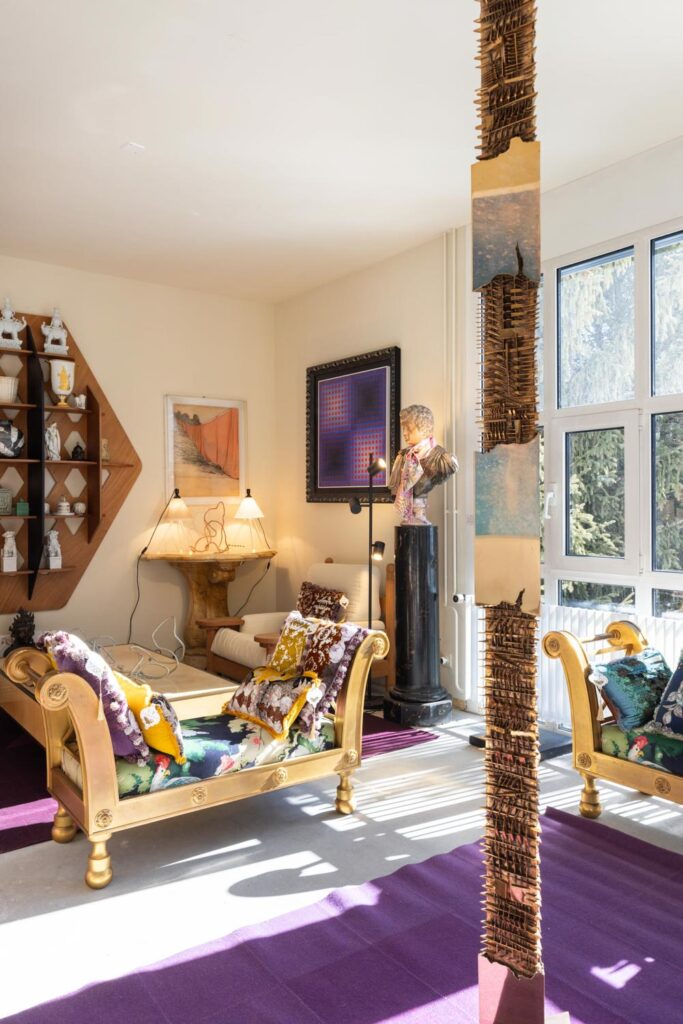
Part of the Special Program of NOMAD ST. MORITZ 2026, the off-sit exhibition Yellow Apartment celebrates the centenary of Rachele Bianchi and Riccardo Schweizer, placing their works in dialogue with a 1970s apartment designed by Ico and Luisa Parisi.
Curated by Barbara Schweizer and Elena Maria Sacchi, with artistic direction by Katia Jorfida, the project transforms the apartment into a narrative space where art, design, light, and color converge. Preserved intact for over fifty years, it remains a rare example of total living. The exhibition also features PostForma Ico pieces by Martino Gamper, bridging historical design and contemporary innovation.
Outdoor Project
NU BLOCKS
For NOMAD St. Moritz 2026, Emirati designer Omar Al Gurg presents his signature NU Blocks from MODU Method in a new iteration – reimagined in NOMAD’s iconic red for the first time. Serving as an entry point to NOMAD at Villa Beaulieu, the installation reflects on modularity as a universal design language, asserting structure, repetition, and color as primary architectural elements.
The Alpine Context as Catalyst
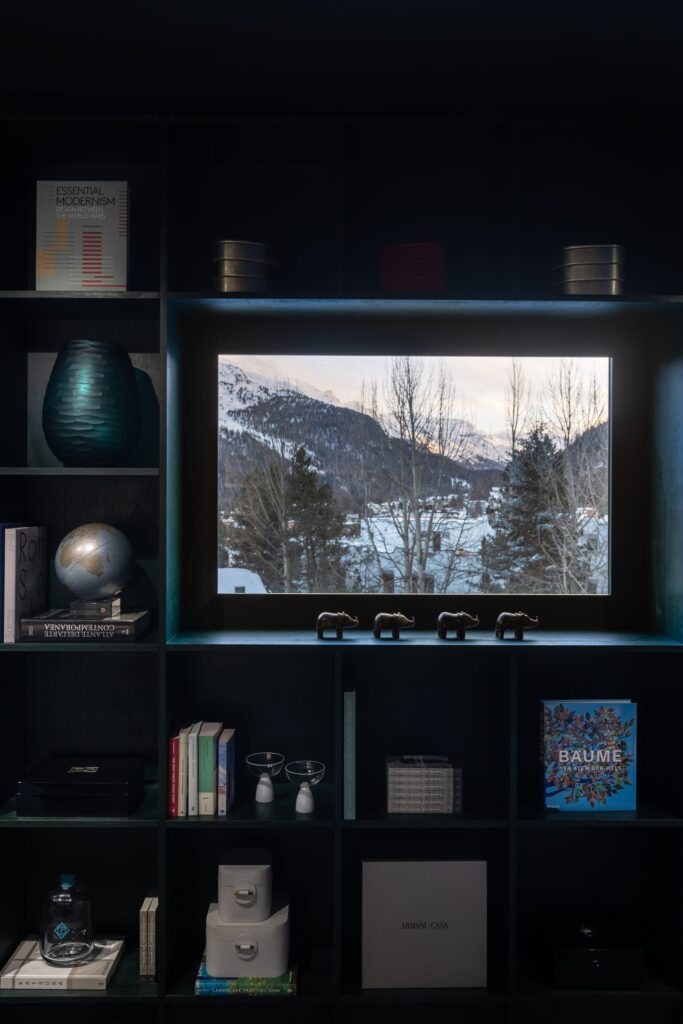
The Engadin setting did more than frame the event. It actively shaped the experience of the works on view. The interplay between object and landscape felt inseparable. Collectible furniture and sculptural design were presented not as museum artefacts, but as elements capable of inhabiting modern chalets and architectural retreats.
This alignment reflected a broader evolution in luxury interiors. Collectors increasingly sought pieces defined by narrative, provenance, and artistic identity rather than scale or ornament. At NOMAD St. Moritz 2026, design functioned as cultural capital and personal statement, equally suited to private sanctuaries and curated homes.
The Engadin setting did more than frame the event. It actively shaped the experience of the works on view. The interplay between object and landscape felt inseparable. Collectible furniture and sculptural design were presented not as museum artefacts, but as elements capable of inhabiting modern chalets and architectural retreats.
This alignment reflected a broader evolution in luxury interiors. Collectors increasingly sought pieces defined by narrative, provenance, and artistic identity rather than scale or ornament. At NOMAD St. Moritz 2026, design functioned as cultural capital and personal statement, equally suited to private sanctuaries and curated homes.
Intimacy as the New Luxury
As the final day concluded, one sentiment prevailed. In an industry often driven by magnitude, NOMAD demonstrated the power of restraint. Its strength lay in curated pacing, contextual staging, and a shared appreciation for craftsmanship.
By situating visionary galleries within a historic alpine residence, the fair reaffirmed that context shapes perception. The weight of a sculpted base, the subtle gradation of a hand applied finish, the dialogue between light and texture all became heightened in this environment.
The impact of NOMAD St. Moritz 2026 extended beyond its four day duration. It signalled the continued ascent of collectible design as both cultural practice and long term investment. In the quiet clarity of St. Moritz, design had spoken with confidence and conviction, leaving behind an impression defined not by spectacle, but by depth.