Editor’s Note
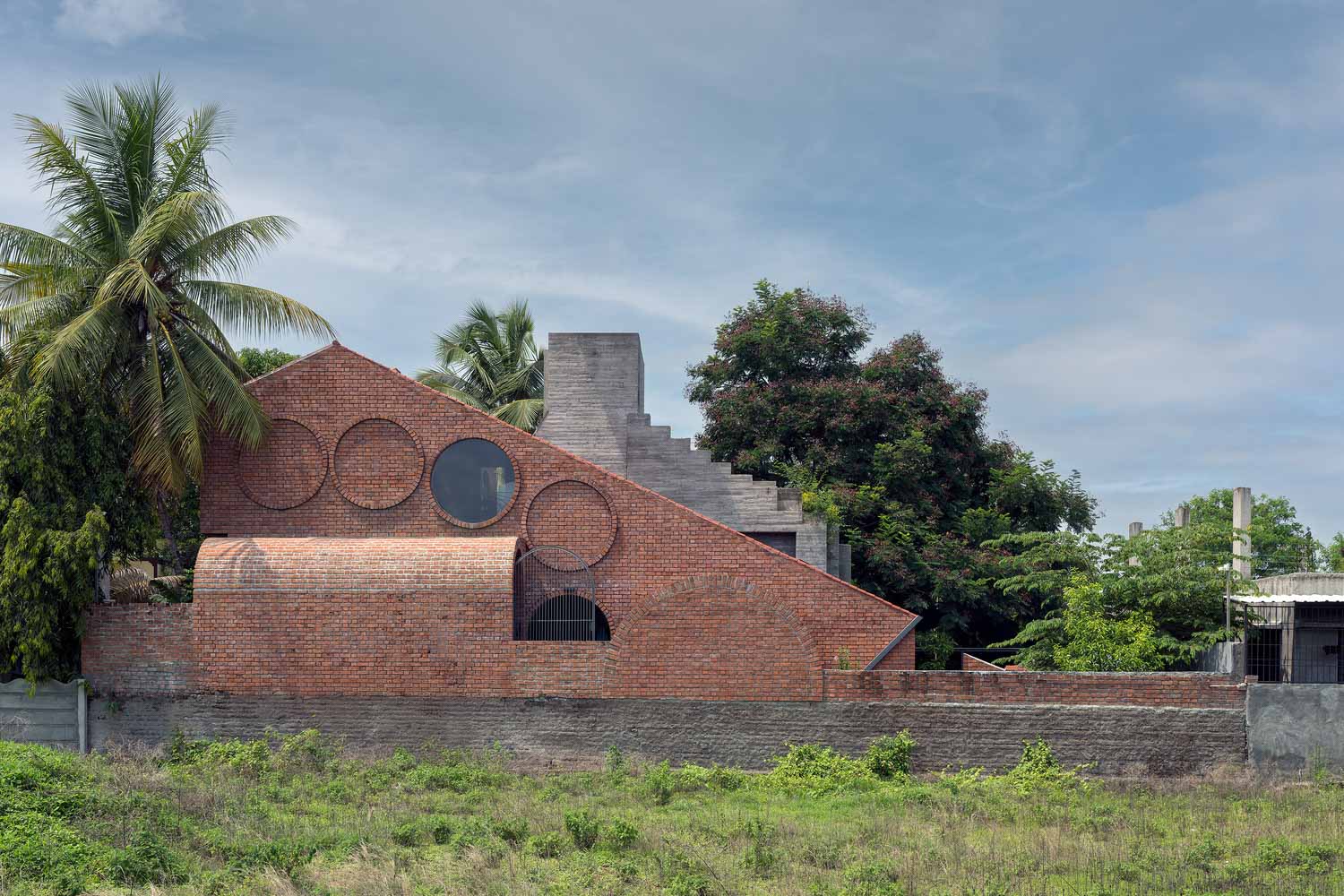
Every building begins as an idea. Yet, long after drawings are archived and conversations fade, what truly remains is the material. It carries the fingerprints of the mason, the patience of the craftsman, the climate of its place, and the passage of time itself. Architecture is rarely remembered only by its form; it is remembered by how it feels. The coolness of exposed concrete on a summer afternoon. The warmth of timber beneath the palm of a hand. The reassuring permanence of stone. The earthy scent of rammed earth after rain.
Perhaps this is why the most memorable spaces are those that allow their materials to speak honestly. They do not disguise age or chase perfection. Instead, they embrace weather, texture, and imperfection, quietly reminding us that beauty is something that evolves rather than something that is merely applied. In thoughtful architecture, material is never just a finish; it is character, atmosphere, and memory.
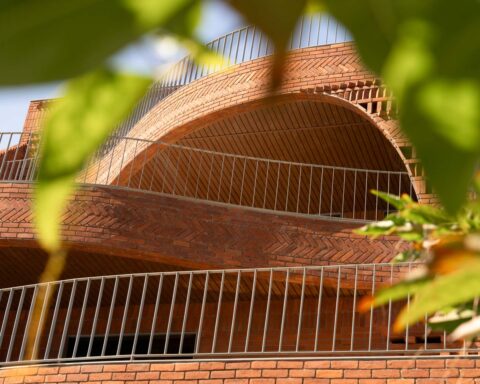
This edition of DE INDIA celebrates precisely this dialogue between architecture and materiality. Across our Spaces section, we explore projects where concrete, brick, timber, earth, and stone become far more than structural elements; they become storytellers. Every surface reflects its context, every texture records time, and every material contributes to a building’s identity long after construction is complete.
As Editor, one of the greatest privileges of this role is having a small space to share thoughts that linger beyond photographs and floor plans. Through ‘Words by the Editor’, I often find myself returning to ideas that deserve a slower conversation. This edition’s reflection, “Material as Memory: How Materials Define the Story of a Building,” stems from a simple observation. We rarely remember a place solely because of its geometry. We remember the roughness of a brick wall touched every morning, the grain of aged timber catching afternoon light, the cool silence of stone beneath our feet. Materials do more than construct architecture, they preserve emotion. They quietly archive the life of a building.
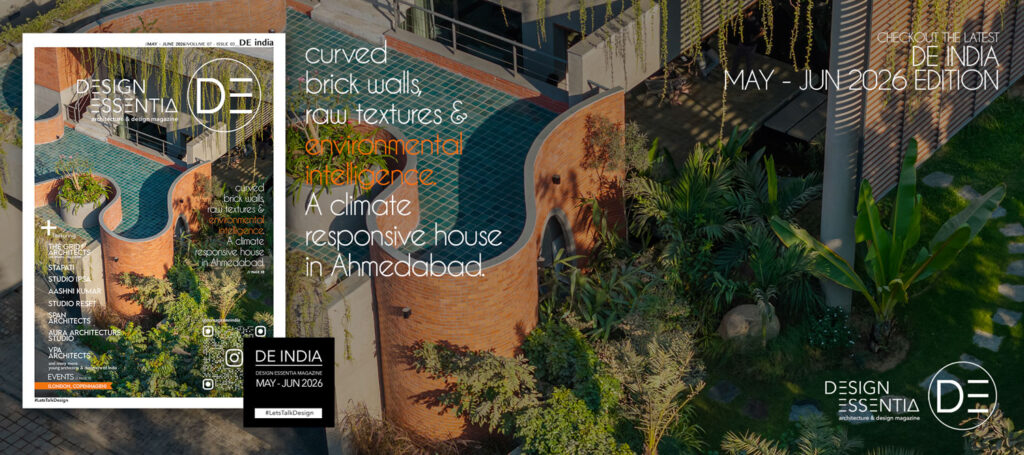
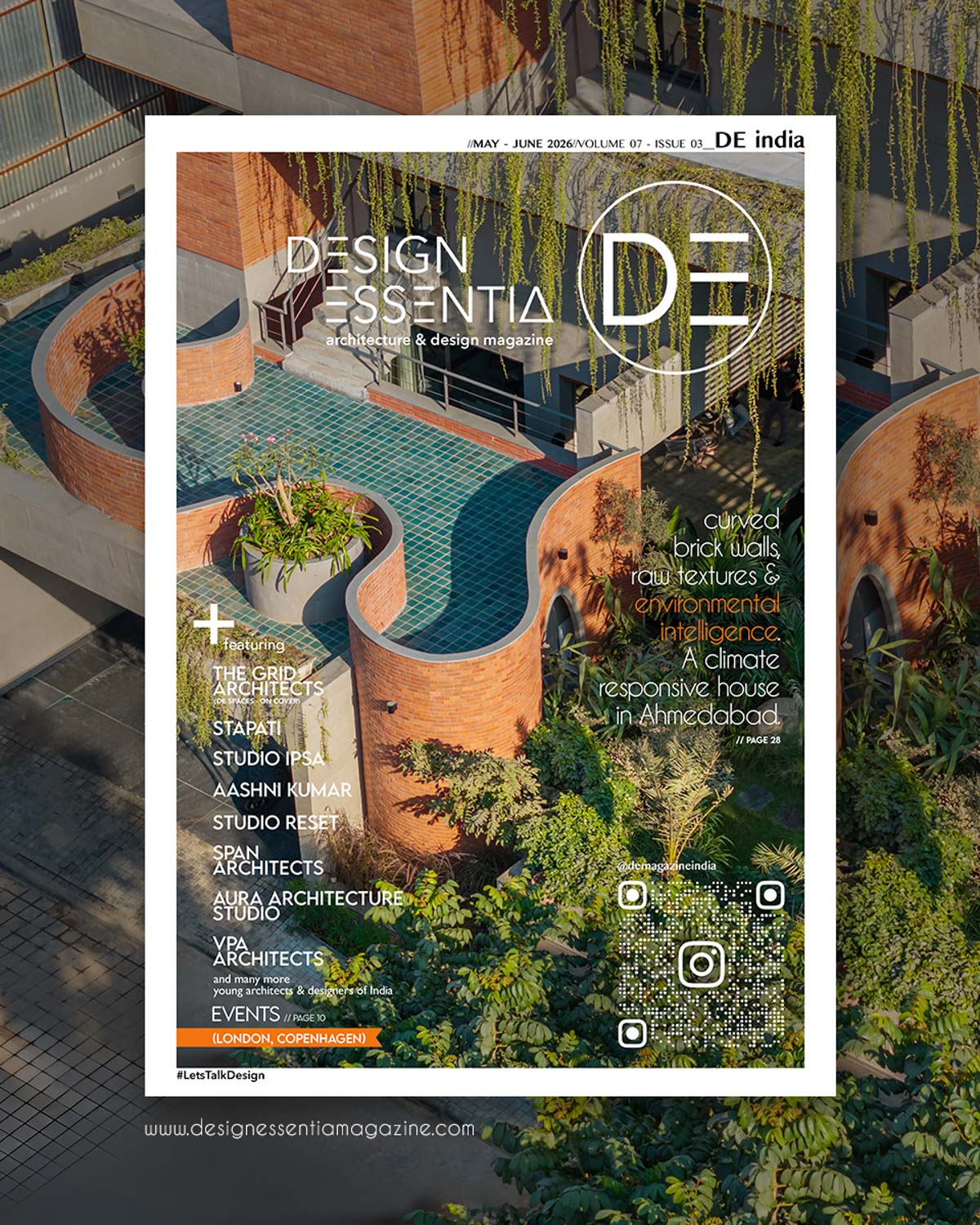
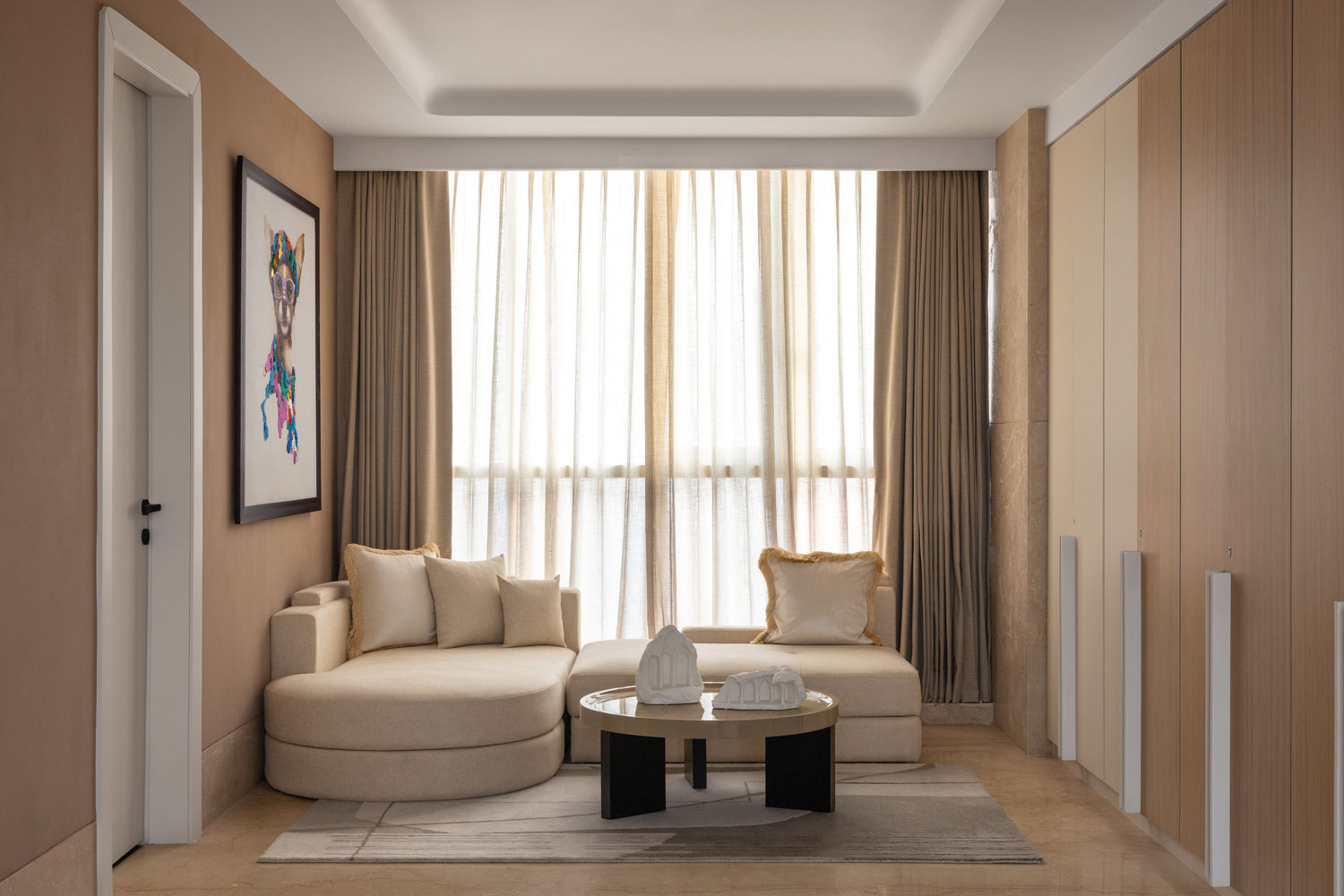
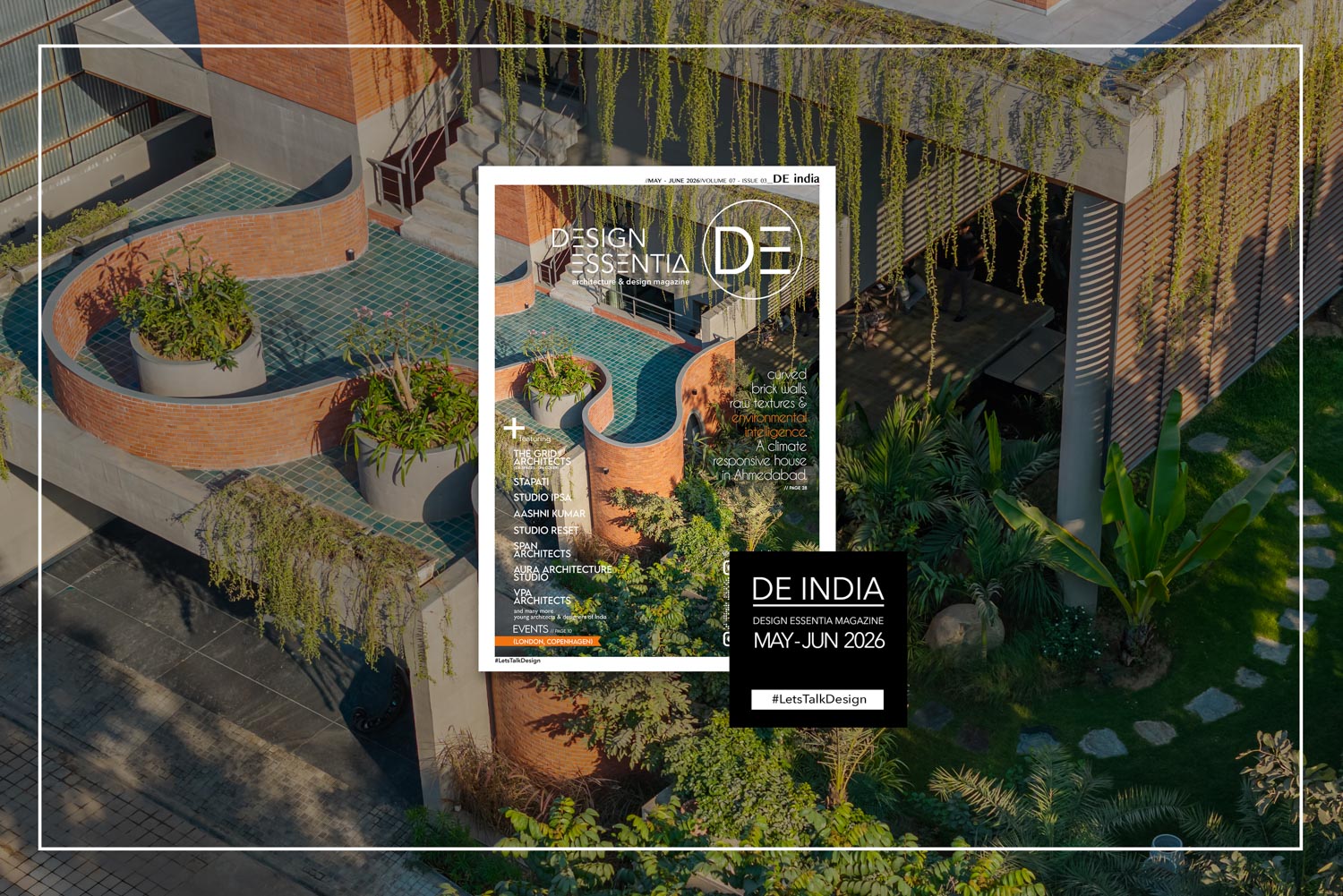
Our cover story perfectly embodies this philosophy. A climate-responsive residence by The Grid Architects in Ahmedabad demonstrates how raw textures, honest detailing, and carefully considered material choices can create architecture that feels timeless rather than fashionable. Alongside it, this issue brings together a diverse collection of residences and interior projects from across India, each revealing how materiality can become the defining language of a space.
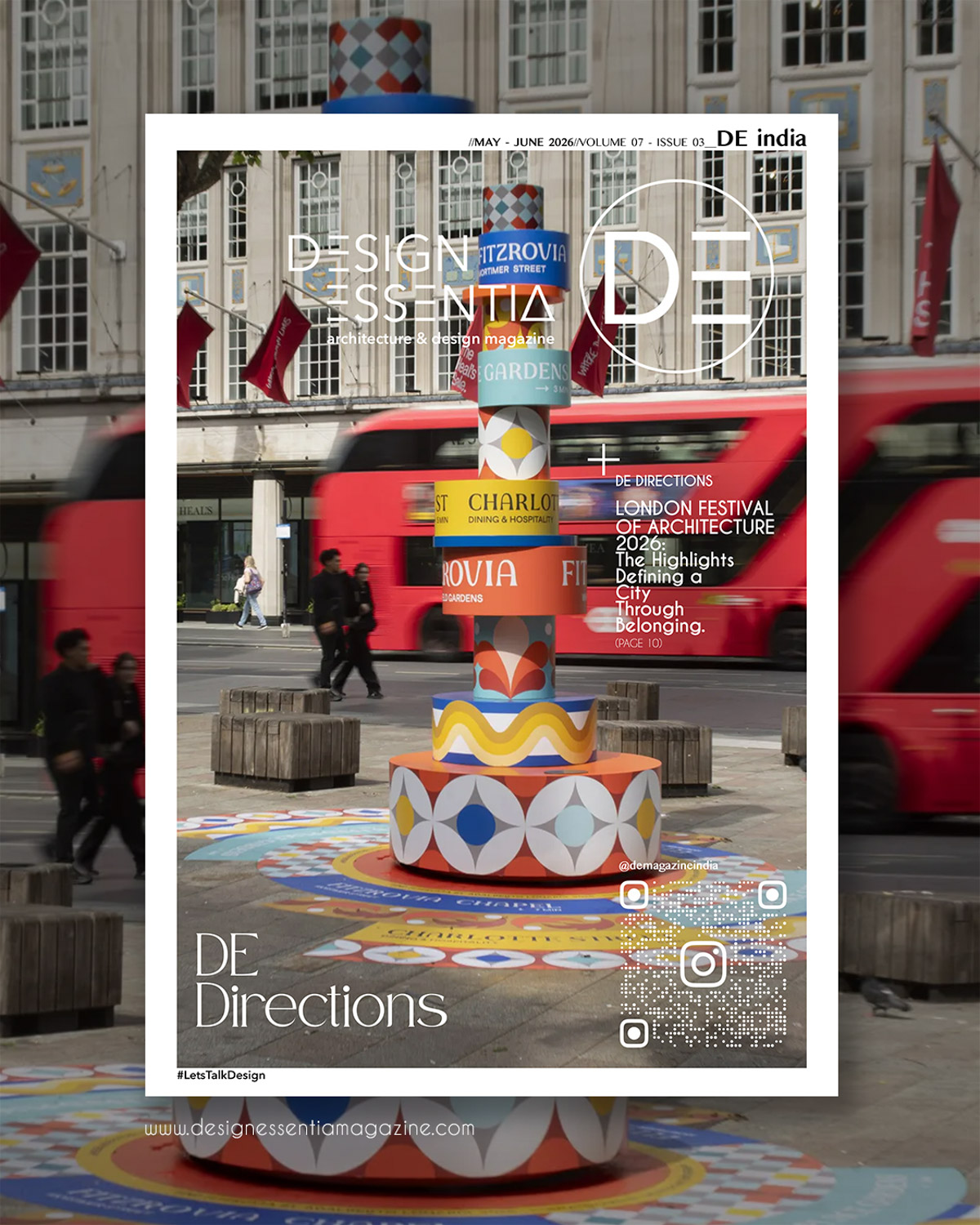
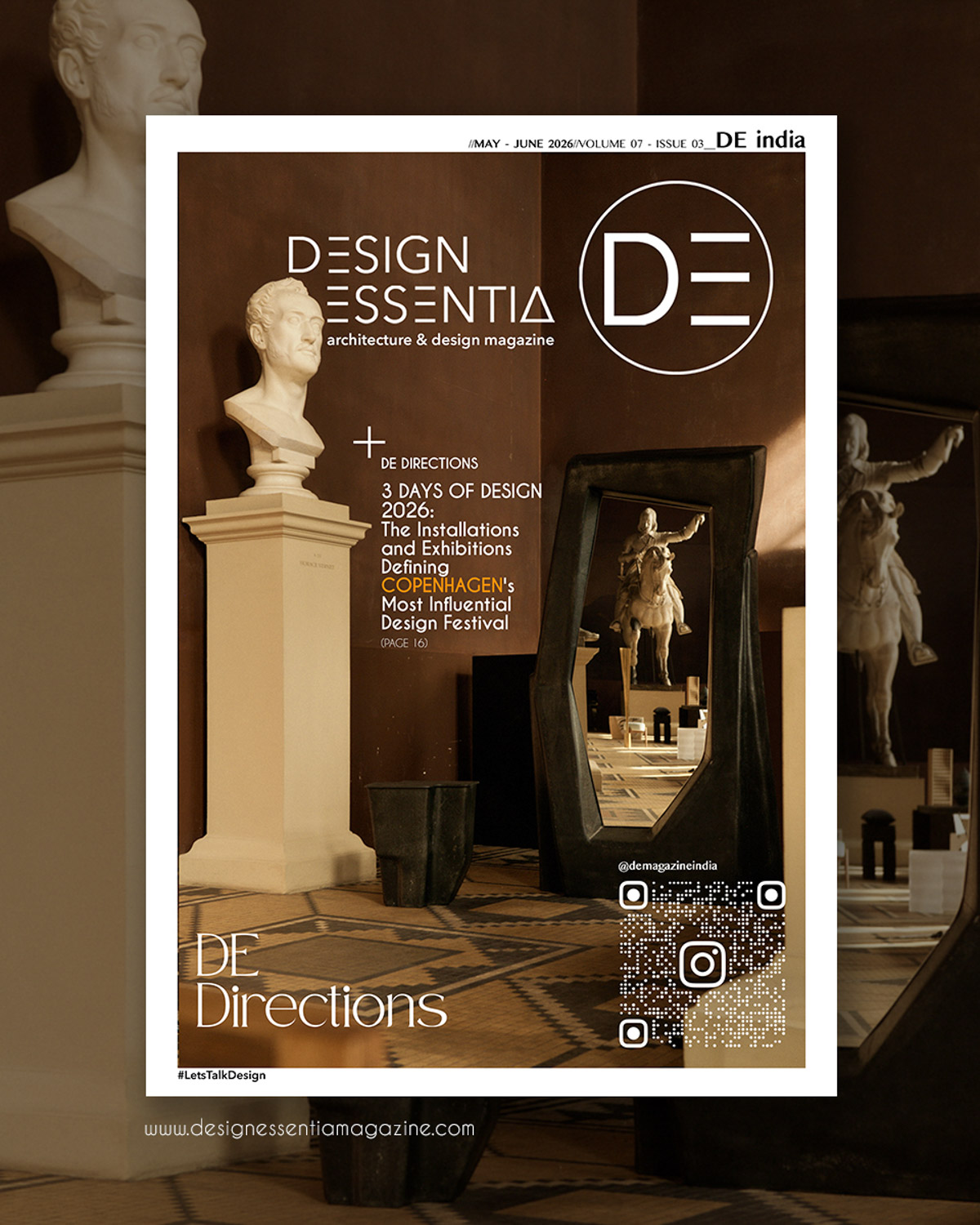
Beyond our national borders, we continue our exploration of contemporary design through two of the year’s most inspiring creative gatherings. We revisit Copenhagen‘s celebrated 3 Days of Design, where craftsmanship, sustainability, and Scandinavian simplicity shaped conversations across the city. We also journey through the London Festival of Architecture, where installations transformed streets and public spaces into thought-provoking expressions of design, community, and culture.
As you move through these pages, I invite you to look beyond aesthetics. Notice the texture before the colour. Feel the material before the form. Because while styles evolve and trends inevitably change, materials continue to record the stories we leave behind. And perhaps that is the quiet beauty of architecture—not that it simply occupies space, but that it remembers.
Let’s Talk Design with DE. Happy Reading.
Cheers!!
– Anirudh Datta
(Editor-in-Chief at Design Essentia Magazine)