





6th May 2026, Wednesday

AAMRAI Resort / Pentaspace Design Studio

rediscovering the Konkan landscape through design at this resort in Alibaug.

Project Name : AAMRAI Resort
Project Location : Alibaug, India
Architect/Interior Designer : Pentaspace Design Studio
Principal Architect/Designer : Harsh Pote

Photographer: PHX India

Architecture is often judged by its physical form, yet the most memorable spaces carry something more subtle and enduring. They possess a quiet spirit that extends beyond walls and materials. This sense of belonging and emotional resonance is what many would describe as the soul of a place. At AAMRAI Resort in Alibaug, designed by Pentaspace Design Studio, this idea of soulful architecture becomes the guiding force behind a deeply rooted and sensitive design.

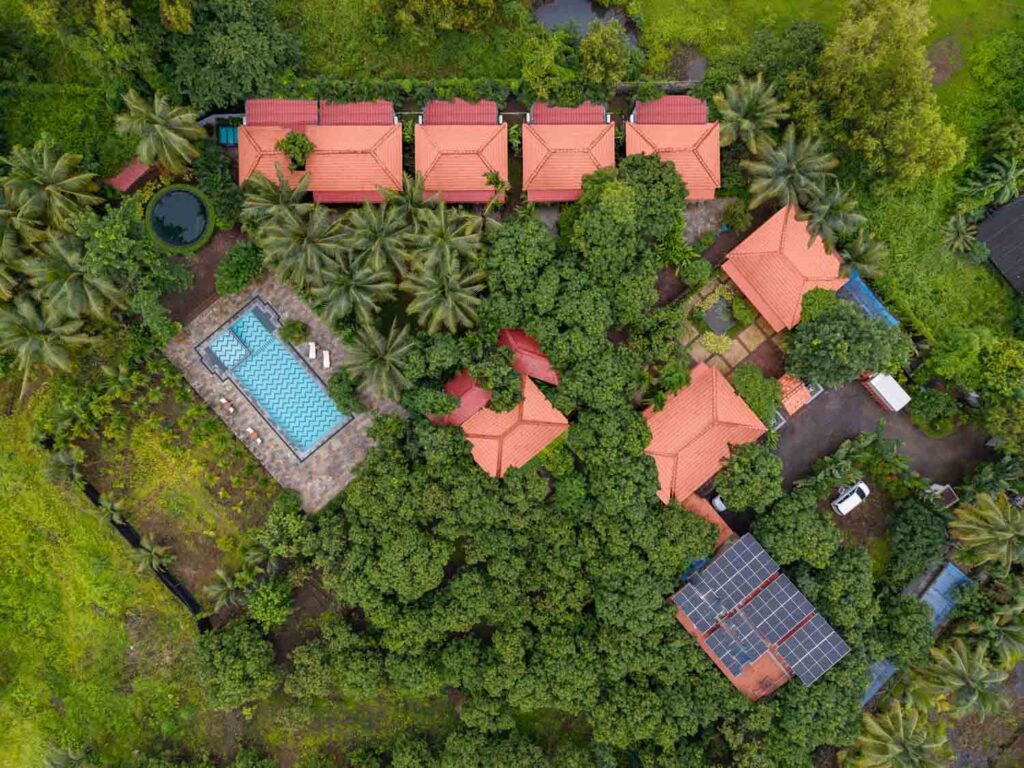
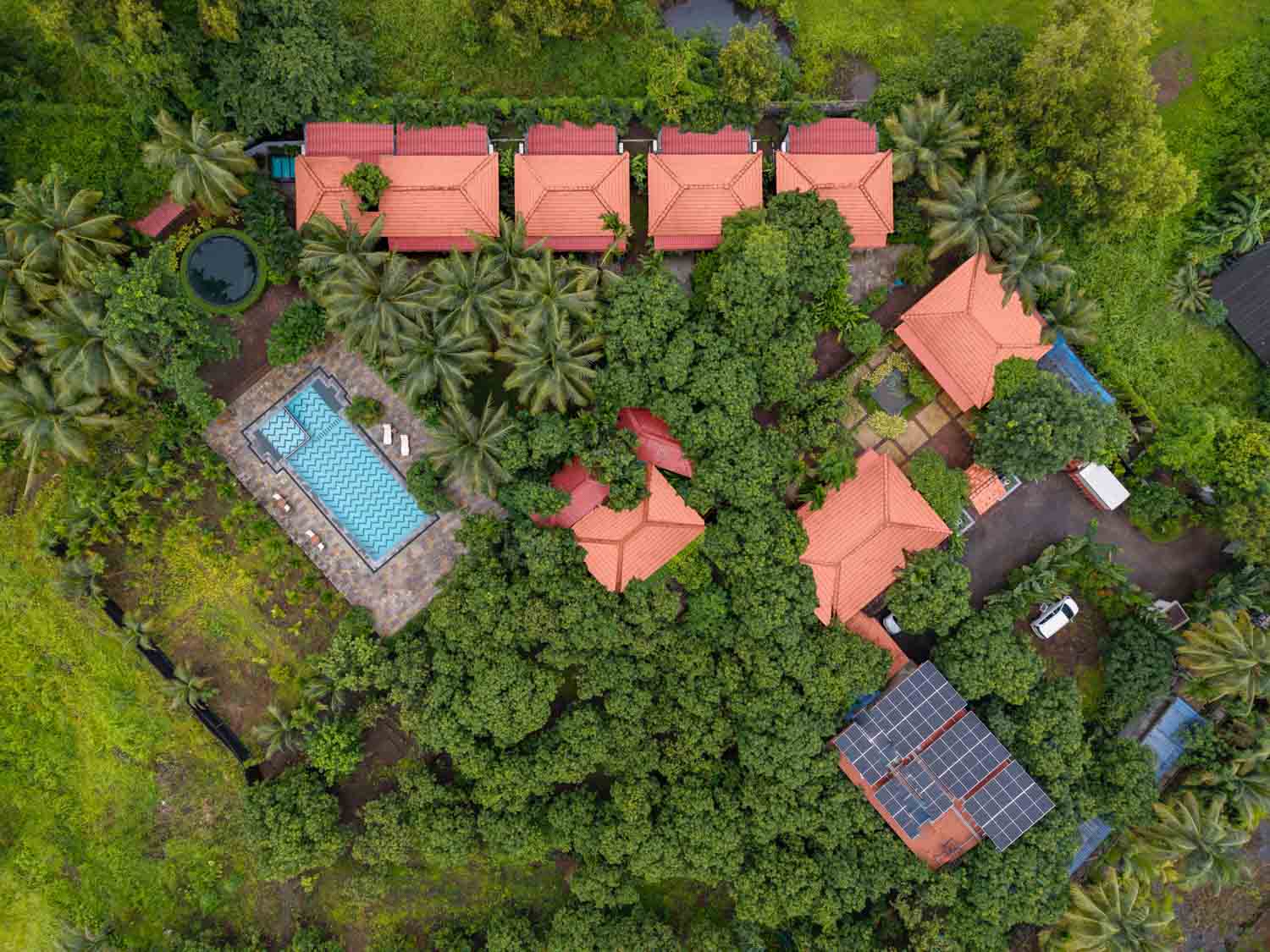
The project occupies a 2.5 acre ancestral property that was once home to a thriving mango orchard and betelnut plantation. Over time, the surrounding landscape began to change as urban development gradually expanded in the region. Alterations in the natural contours of the land created a shallow basin where rainwater began to collect. During monsoon seasons the orchard would flood, causing damage to the betelnut groves and disrupting the delicate balance of the site.

What initially appeared as a challenge soon revealed a new possibility. Instead of resisting the transformation of the land, the design embraced it as an opportunity to reimagine the site as a tranquil retreat. From this vision emerged AAMRAI, a boutique resort intimately connected to the orchard that gave it its name.

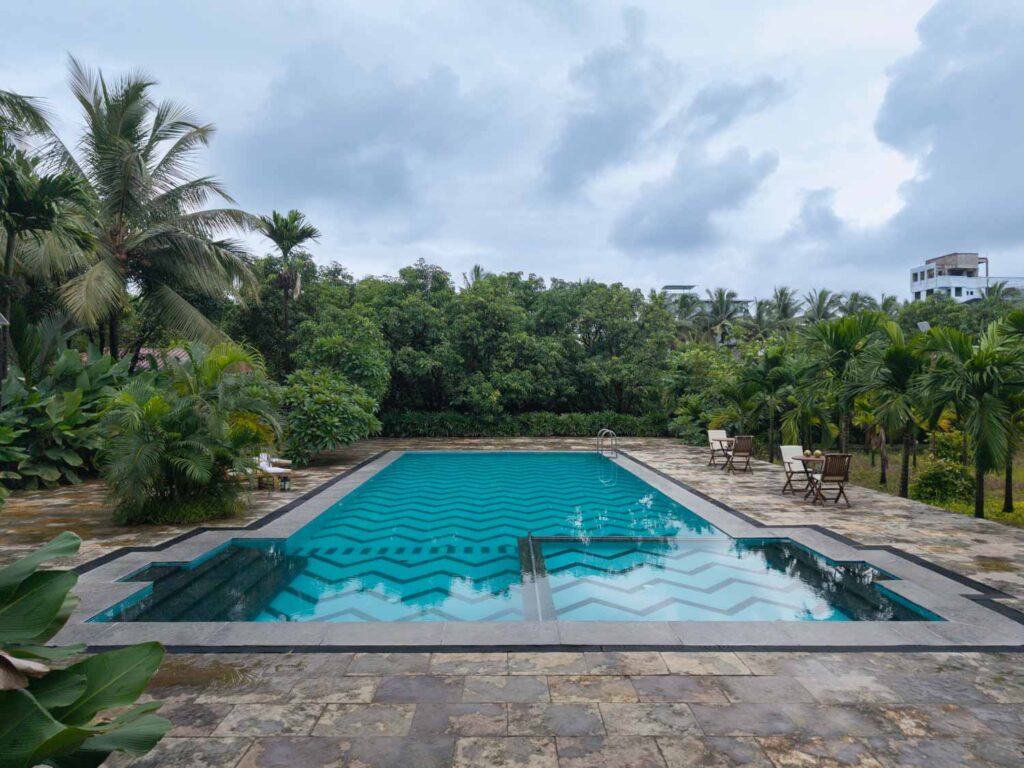
The philosophy guiding the project was built around three closely related ideas. Great design, a sense of belonging, and sustainability shaped every decision throughout the process. Here, great design is not measured through scale or spectacle. Instead it lies in harmony with the surroundings. The architecture seeks to sit gently within the landscape, responding to nature with humility and appearing as though it has always been part of the land.

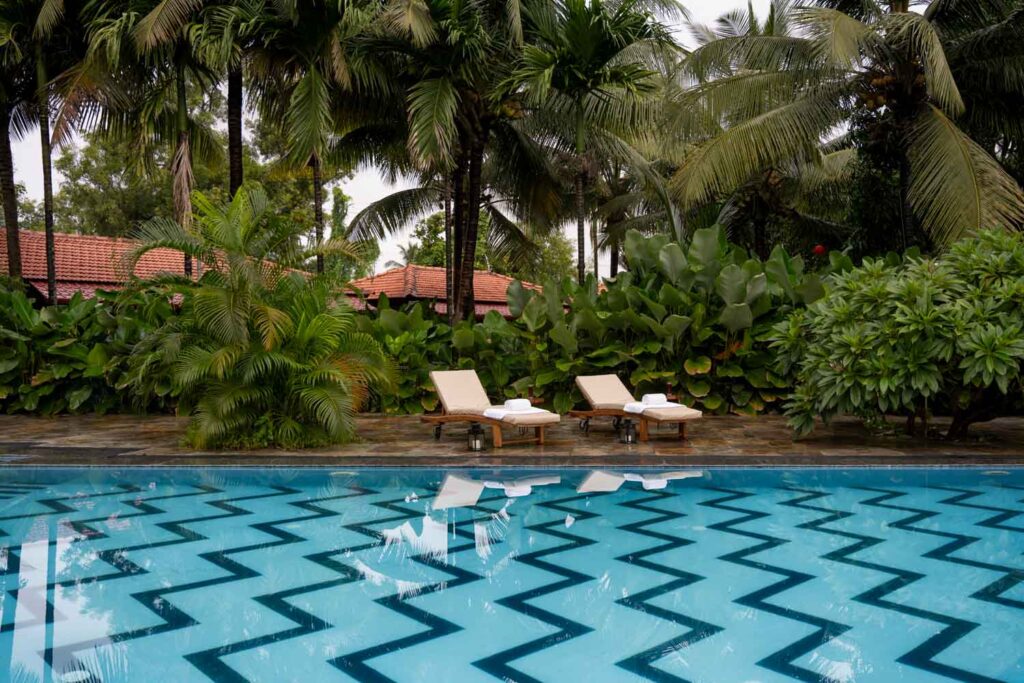
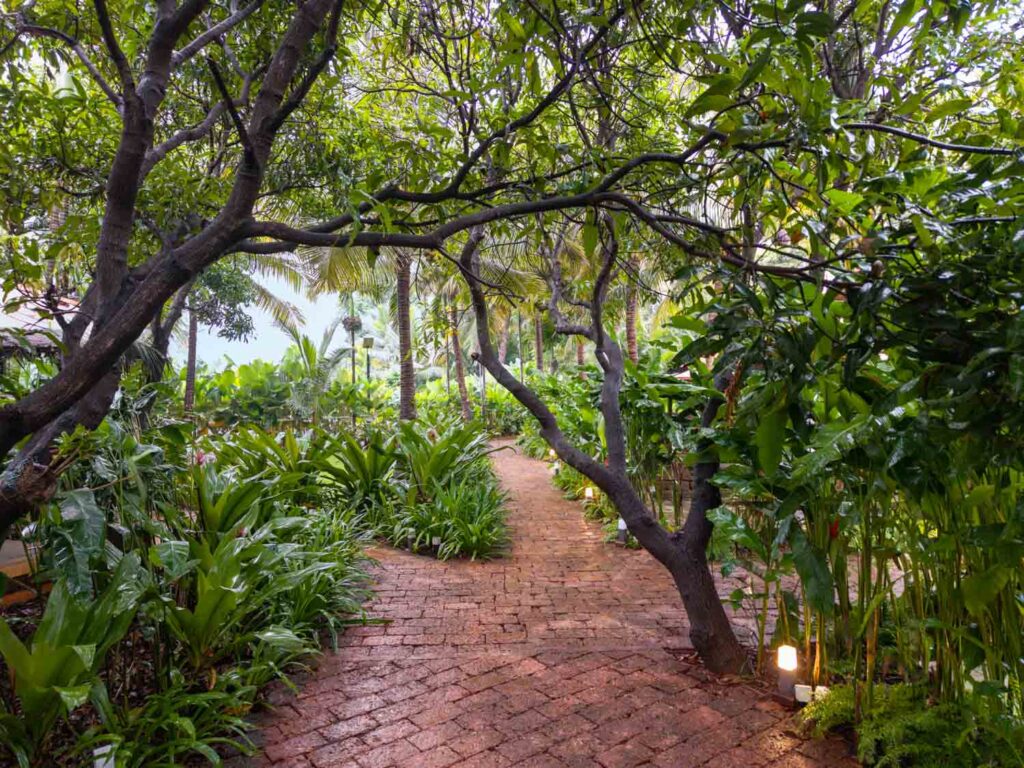
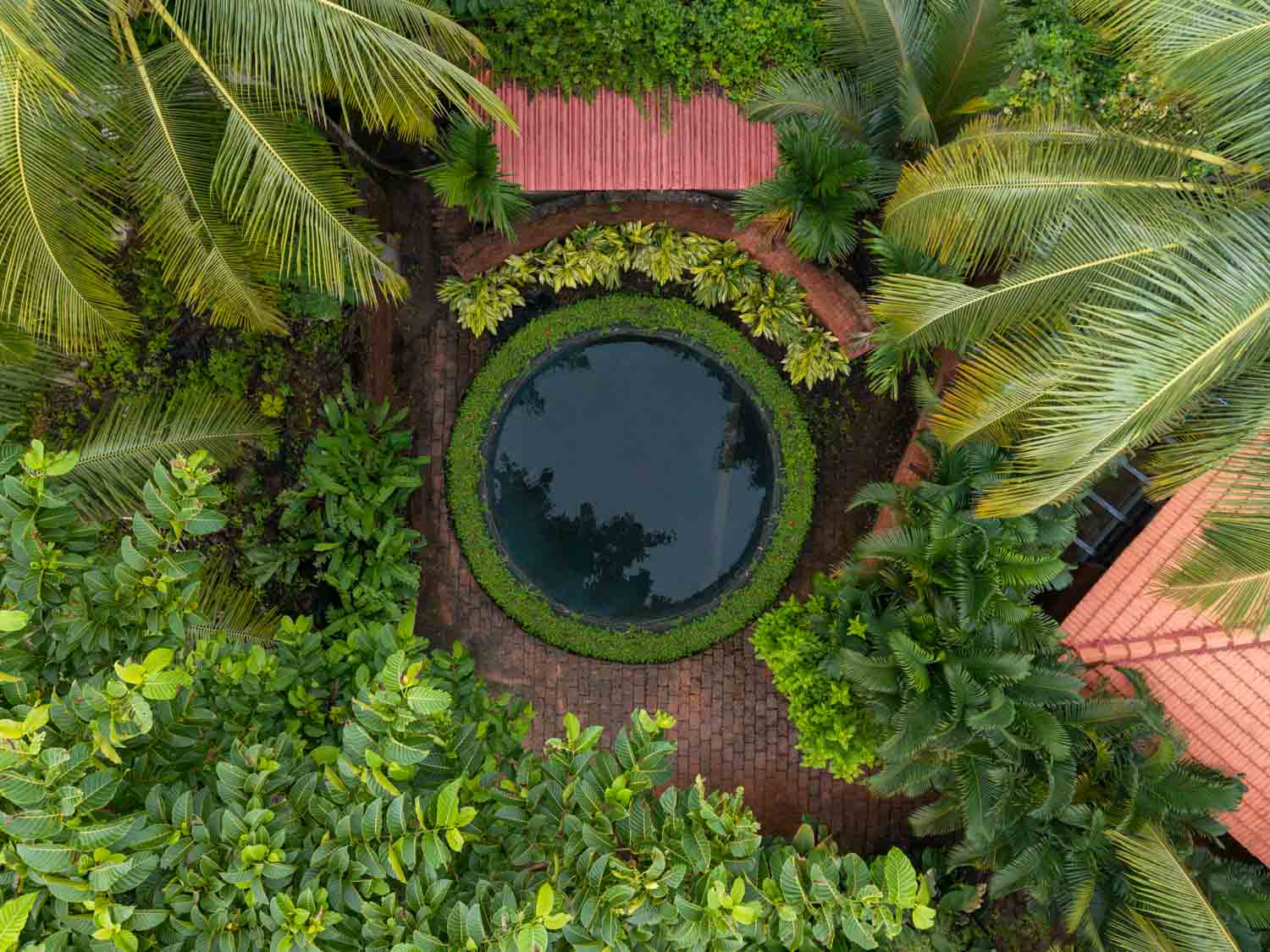
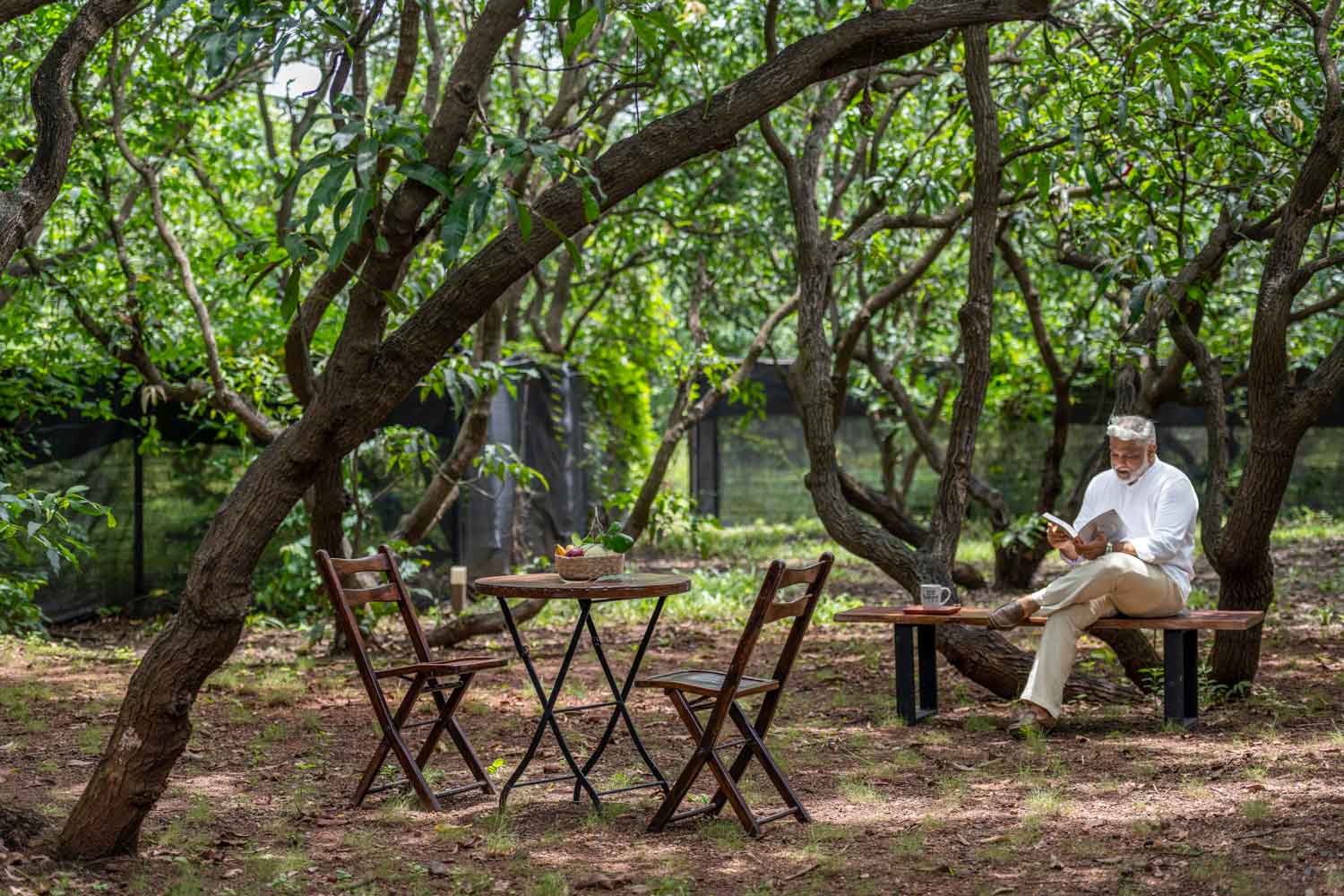
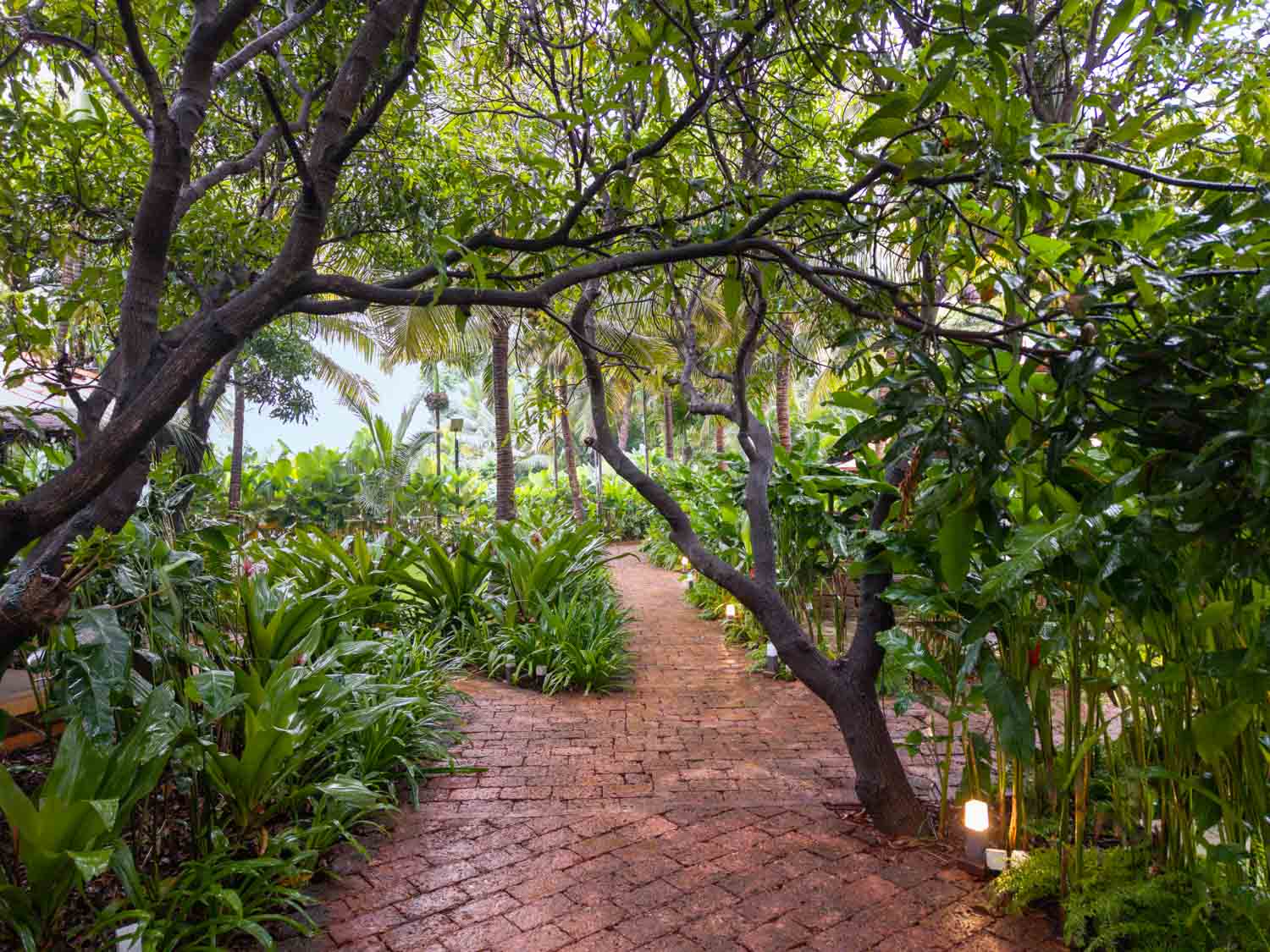
The first visit to the site revealed an environment rich with life. Mango and betelnut trees stood alongside groves of amla, pomelo, starfruit, coconut, and lemon. A functioning well continued to sustain the land, while birds and rustling leaves formed a natural soundscape that defined the atmosphere of the place. The immediate response from the design team was one of restraint. The intention was clear. The existing balance of nature needed to be preserved rather than disturbed.

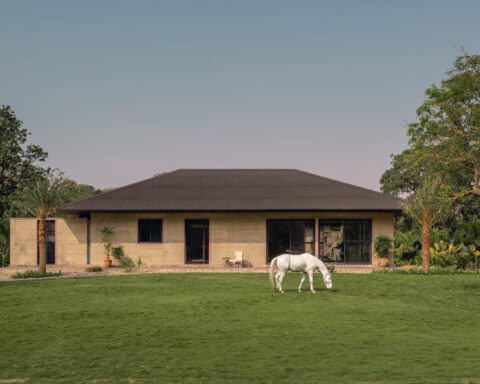
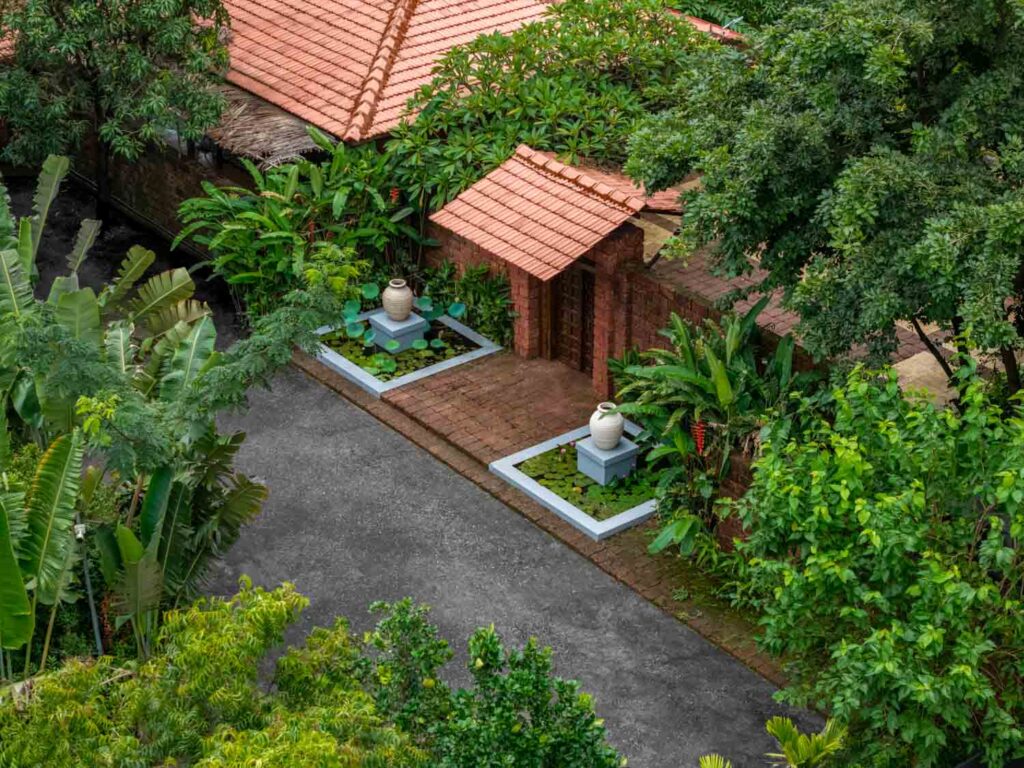
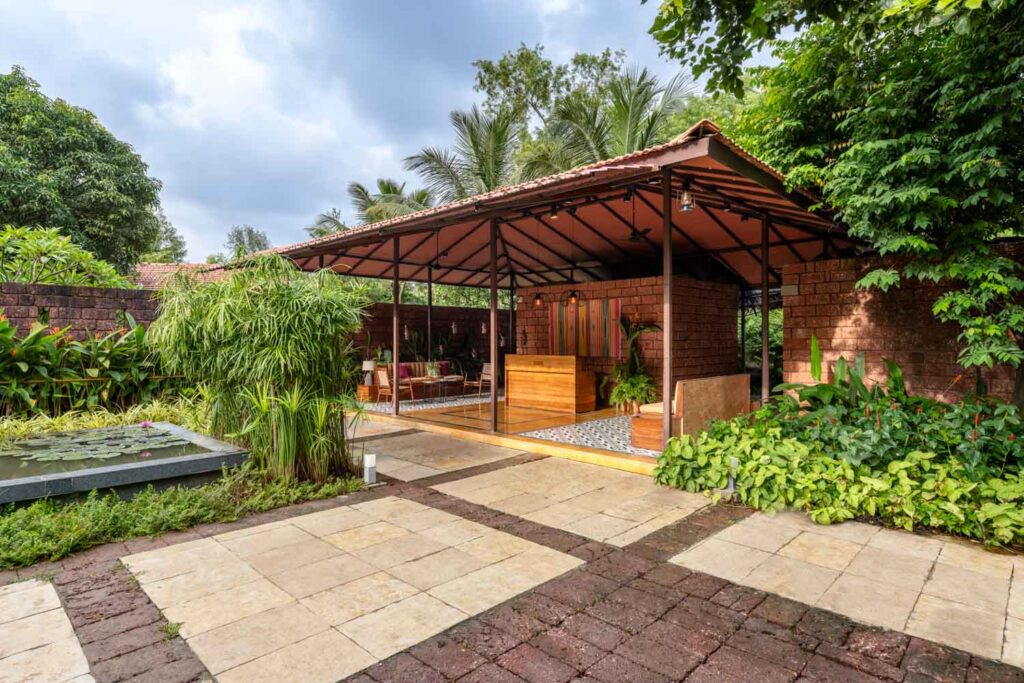
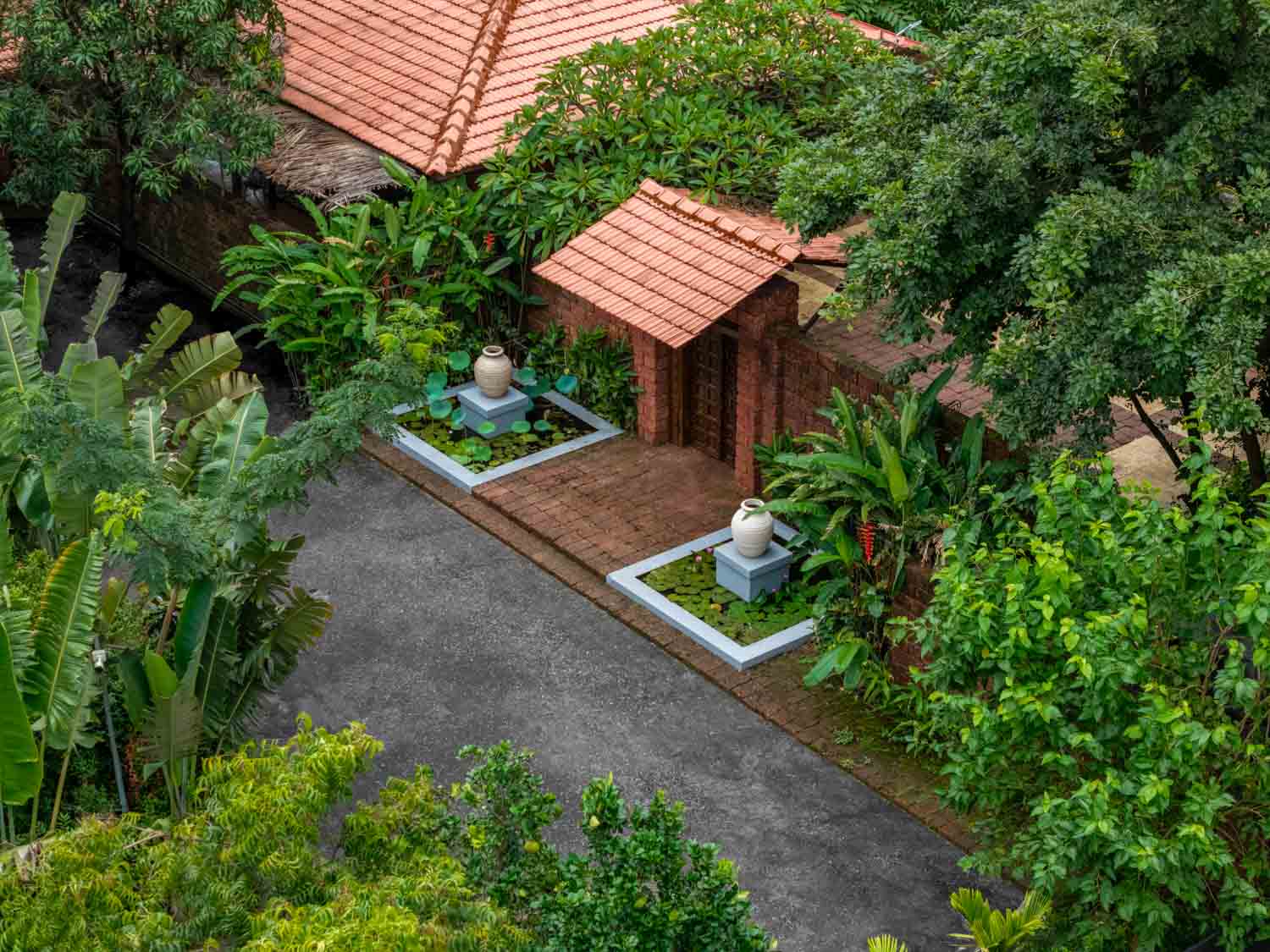
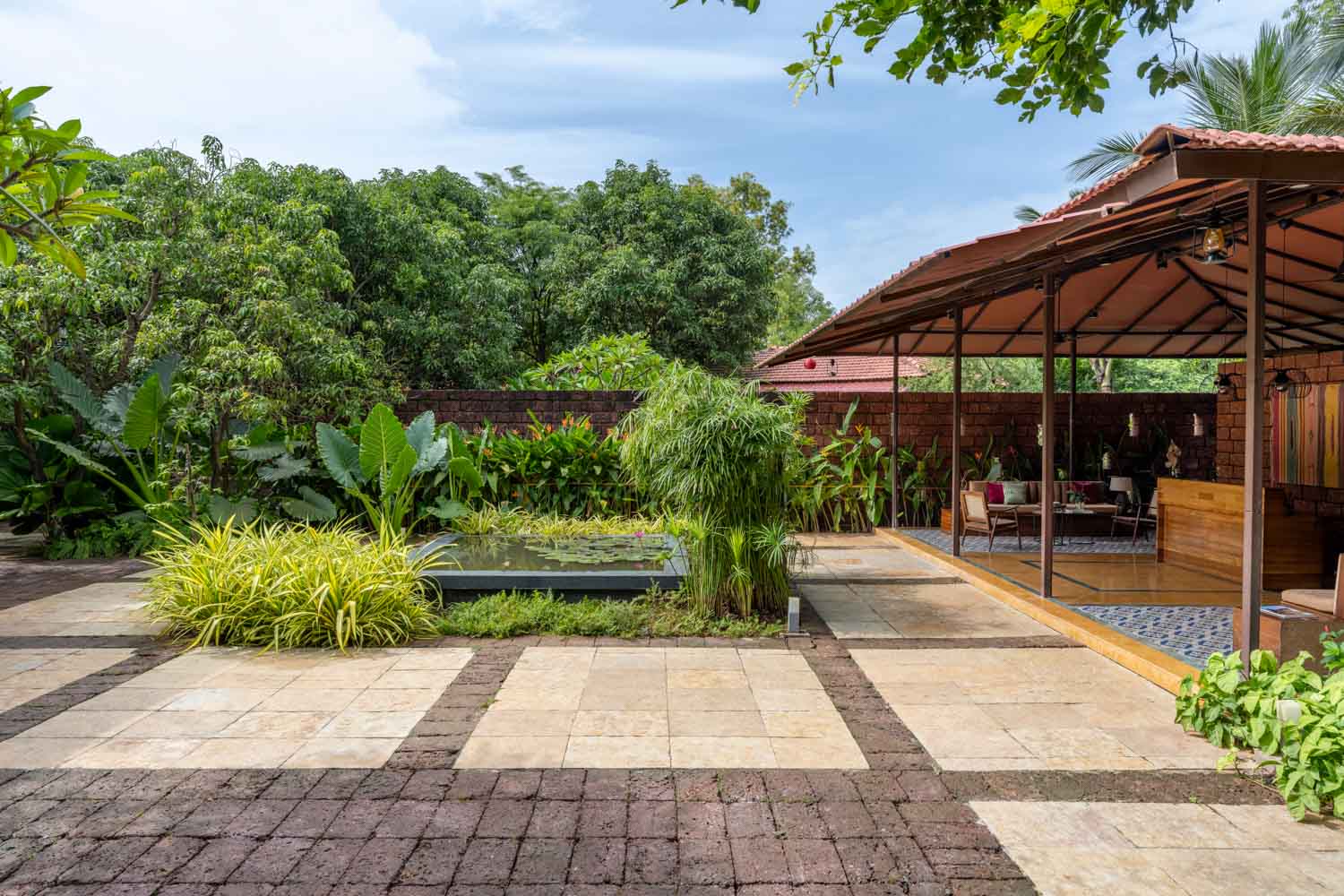
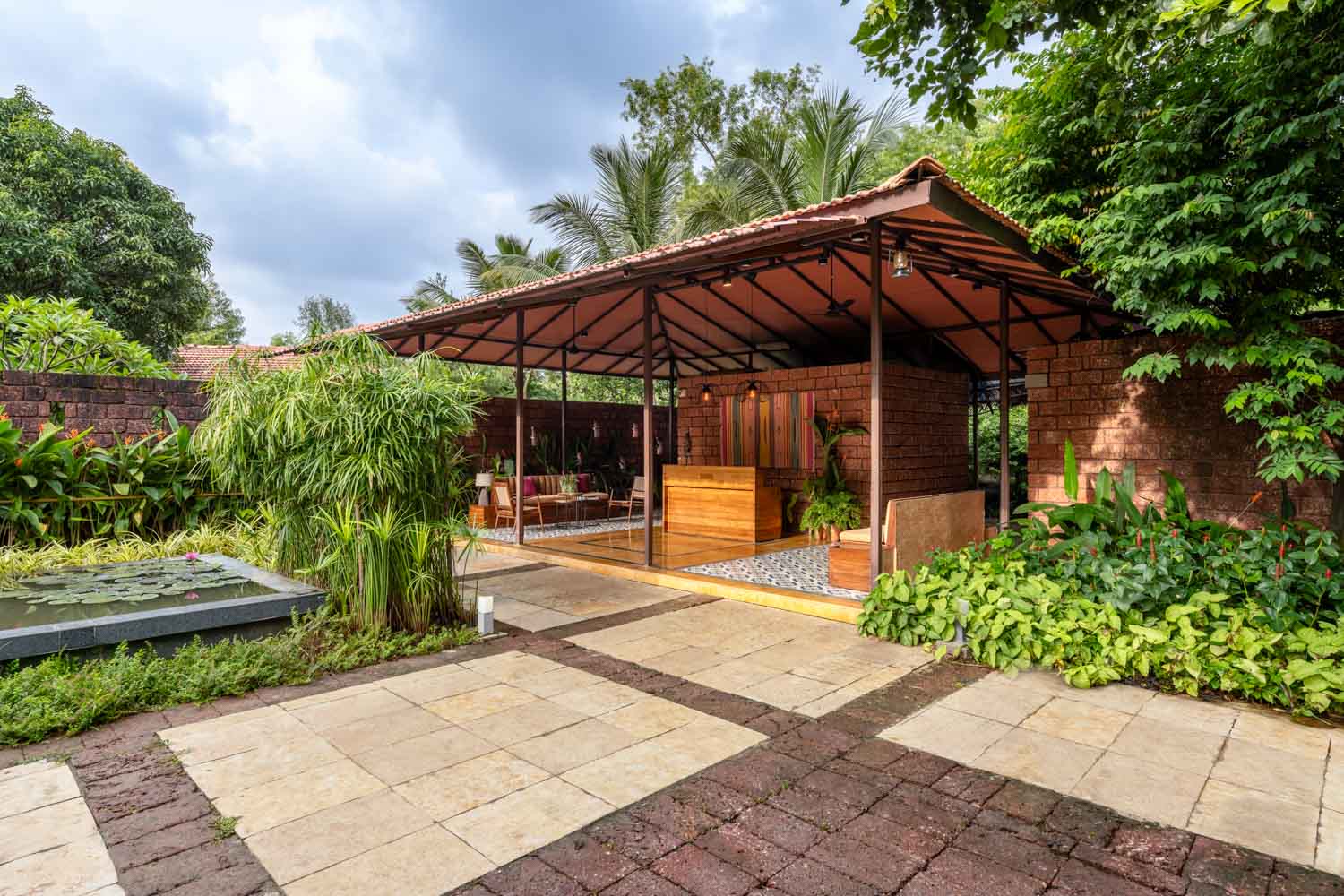
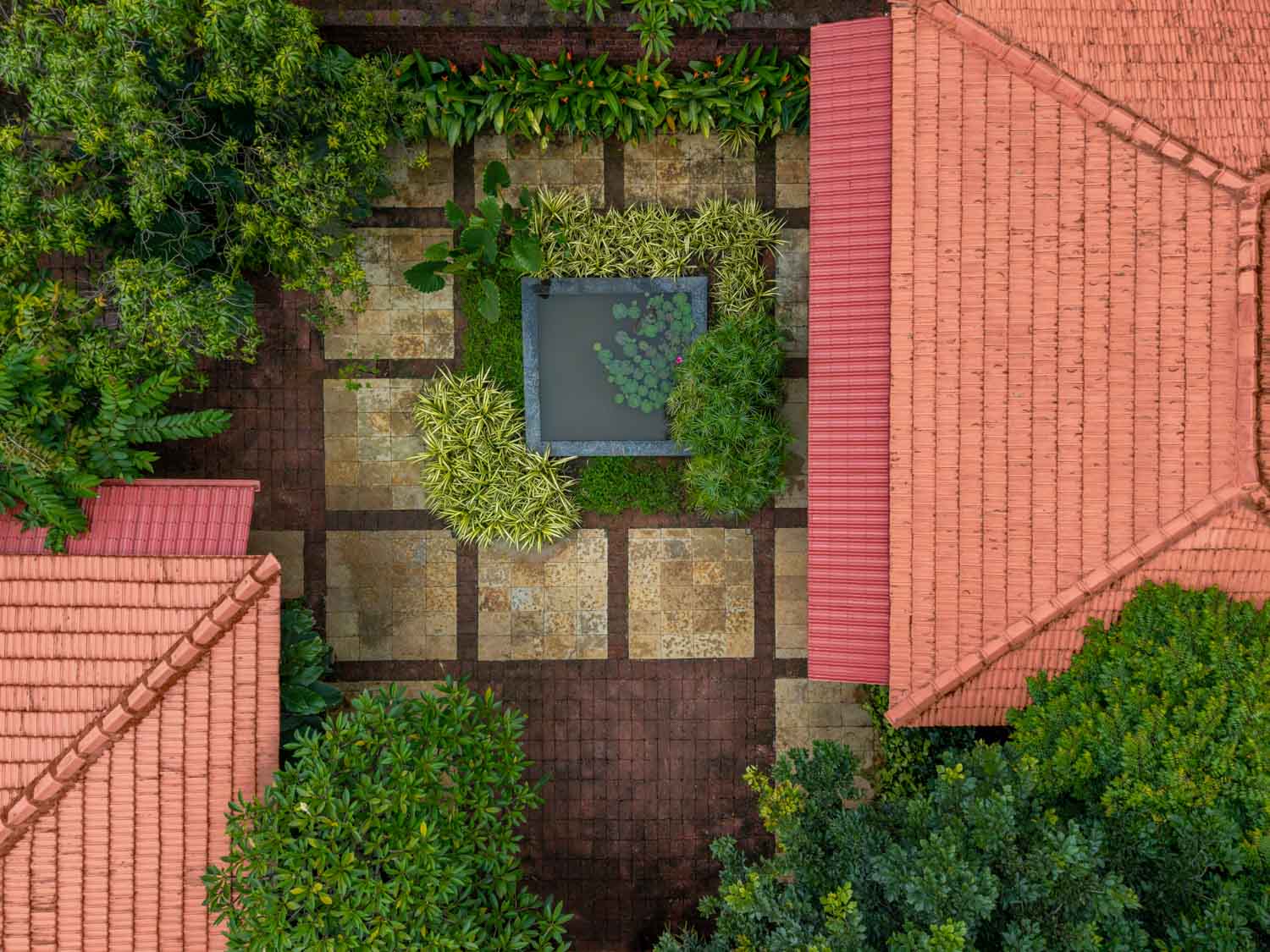
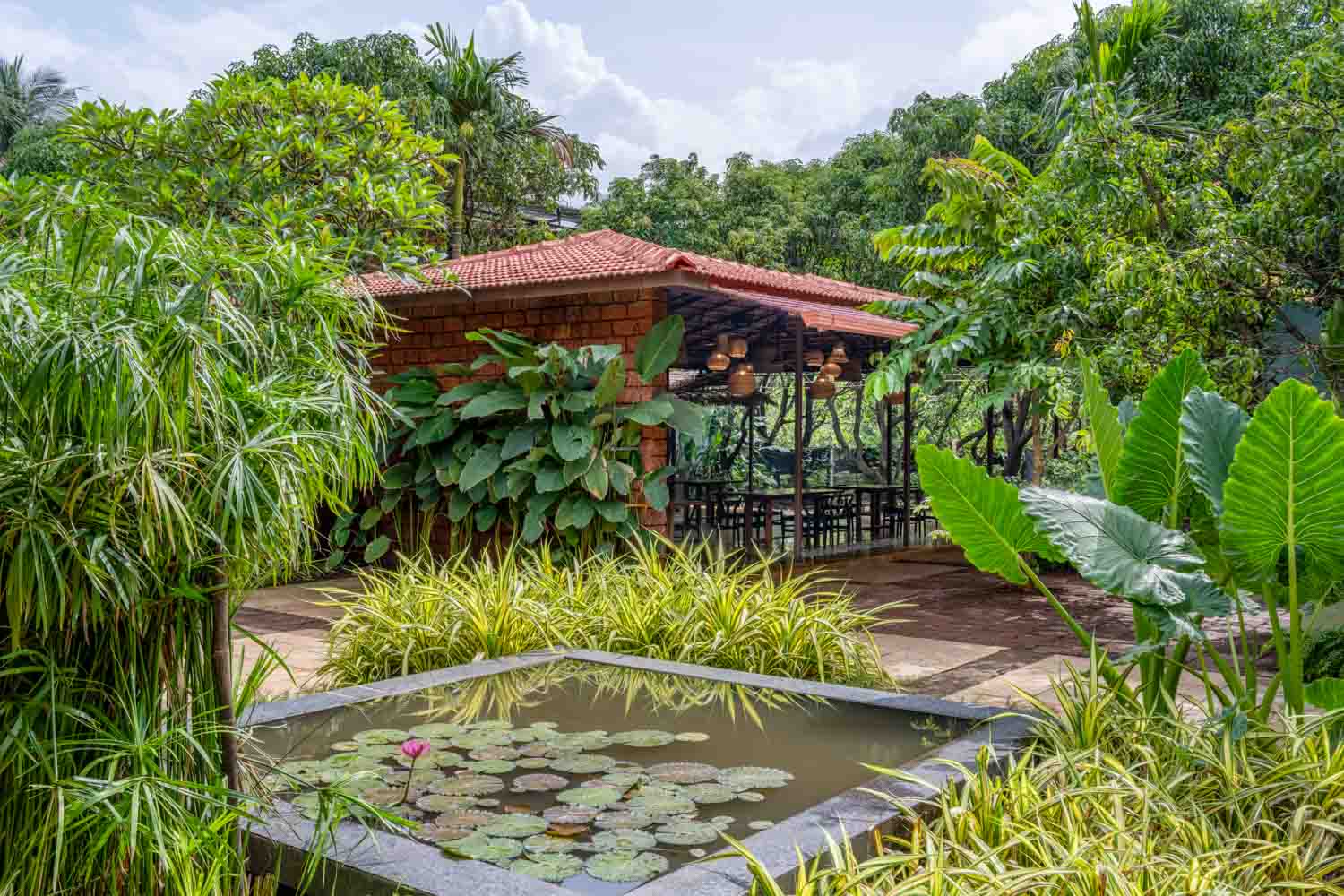
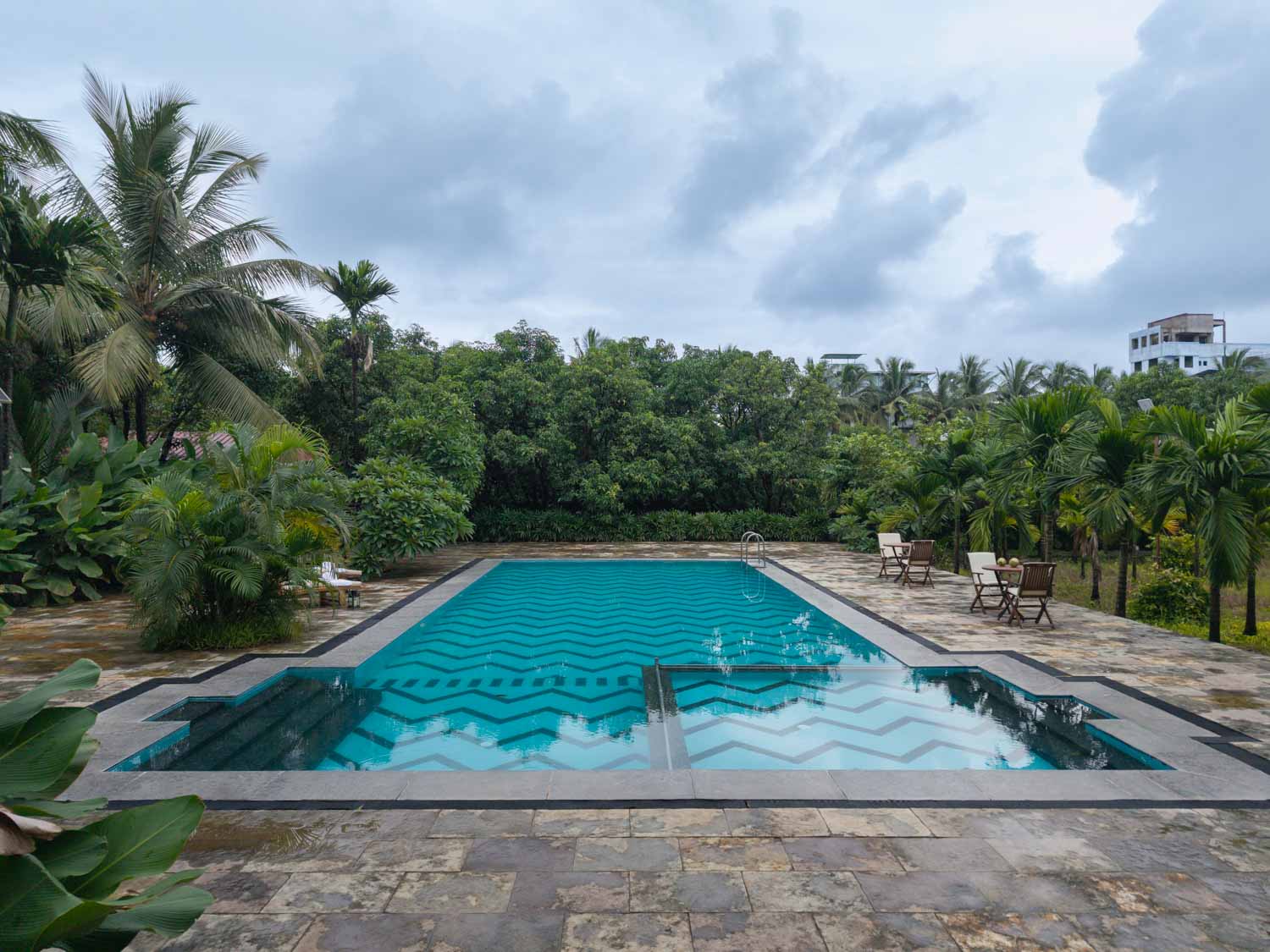
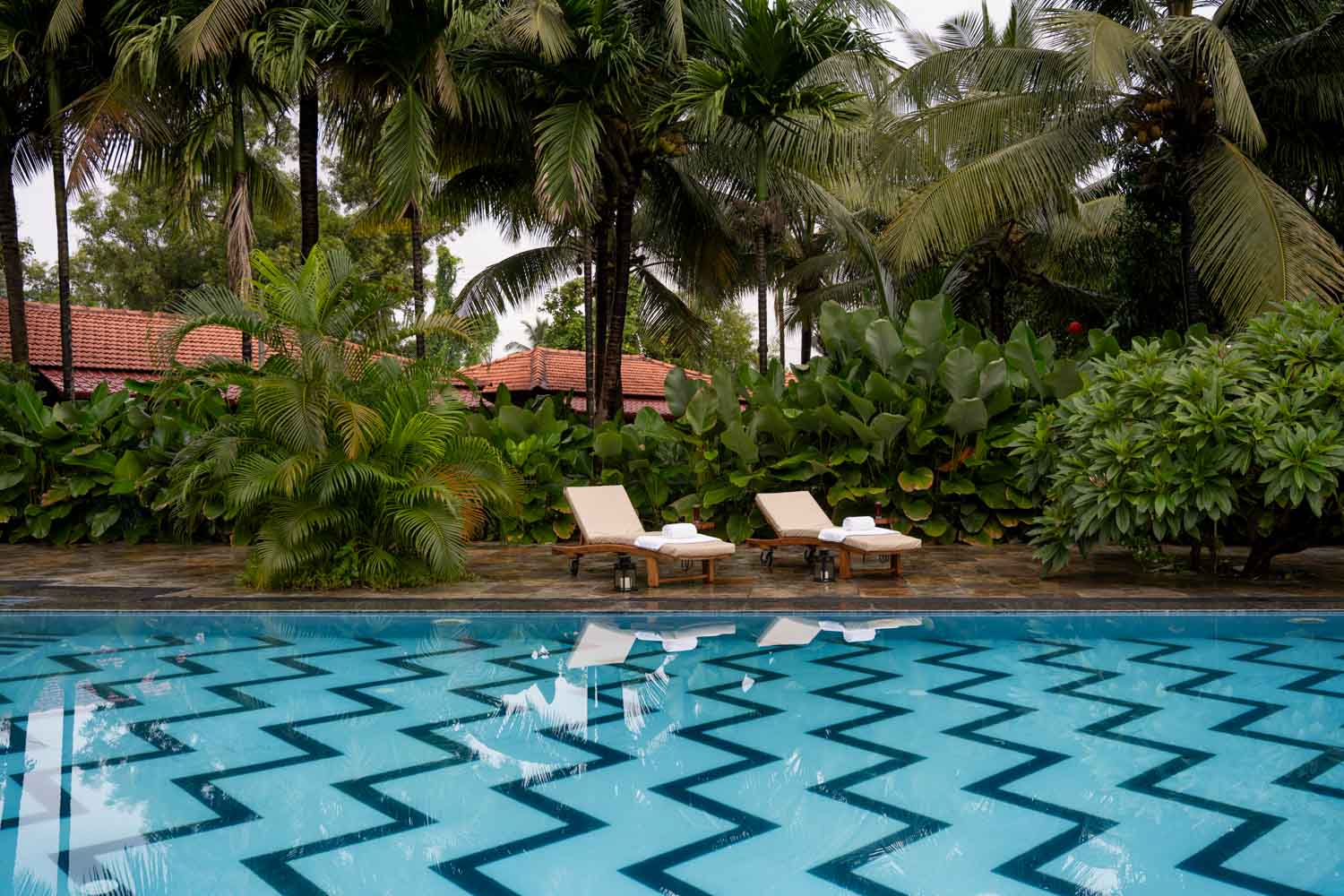
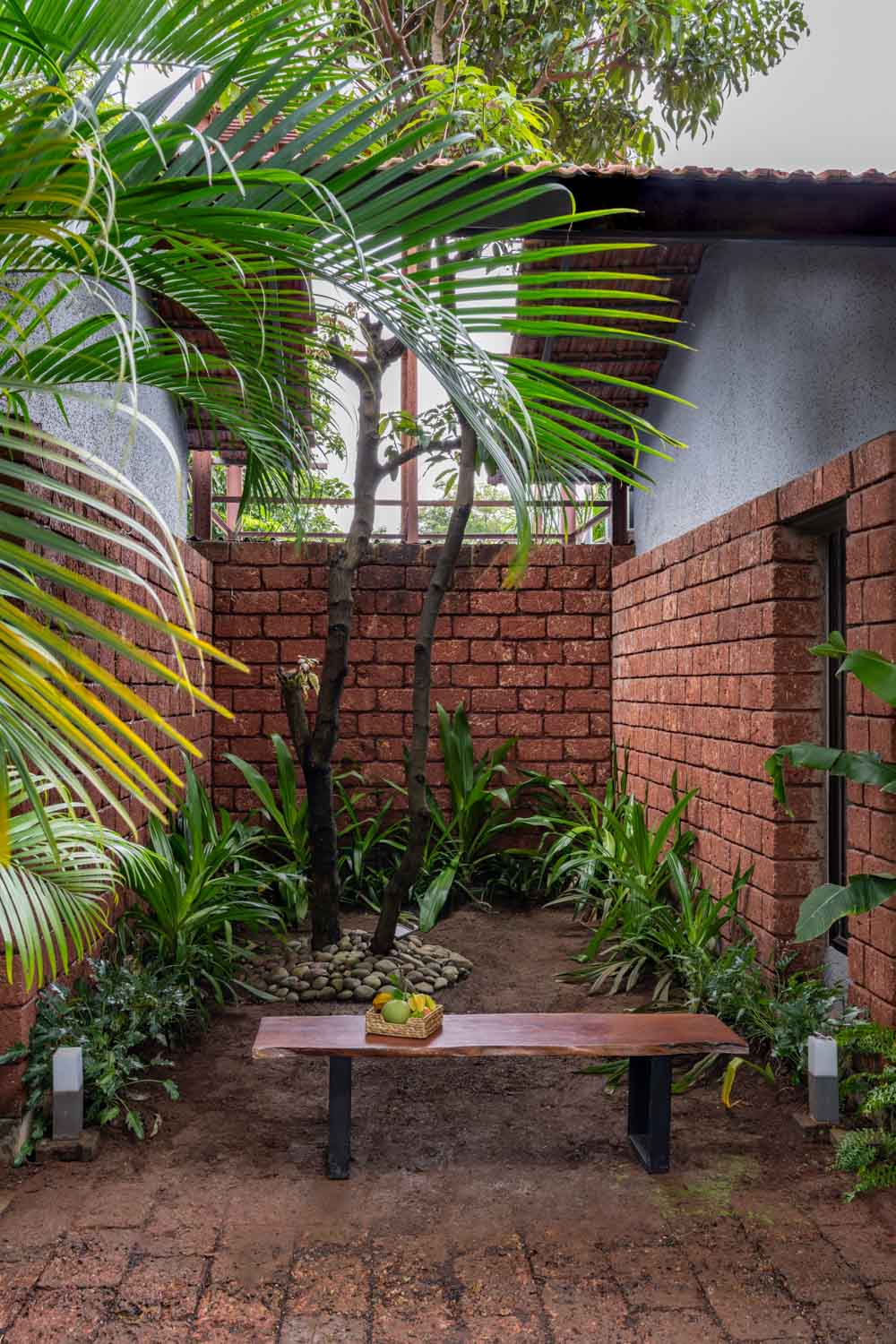
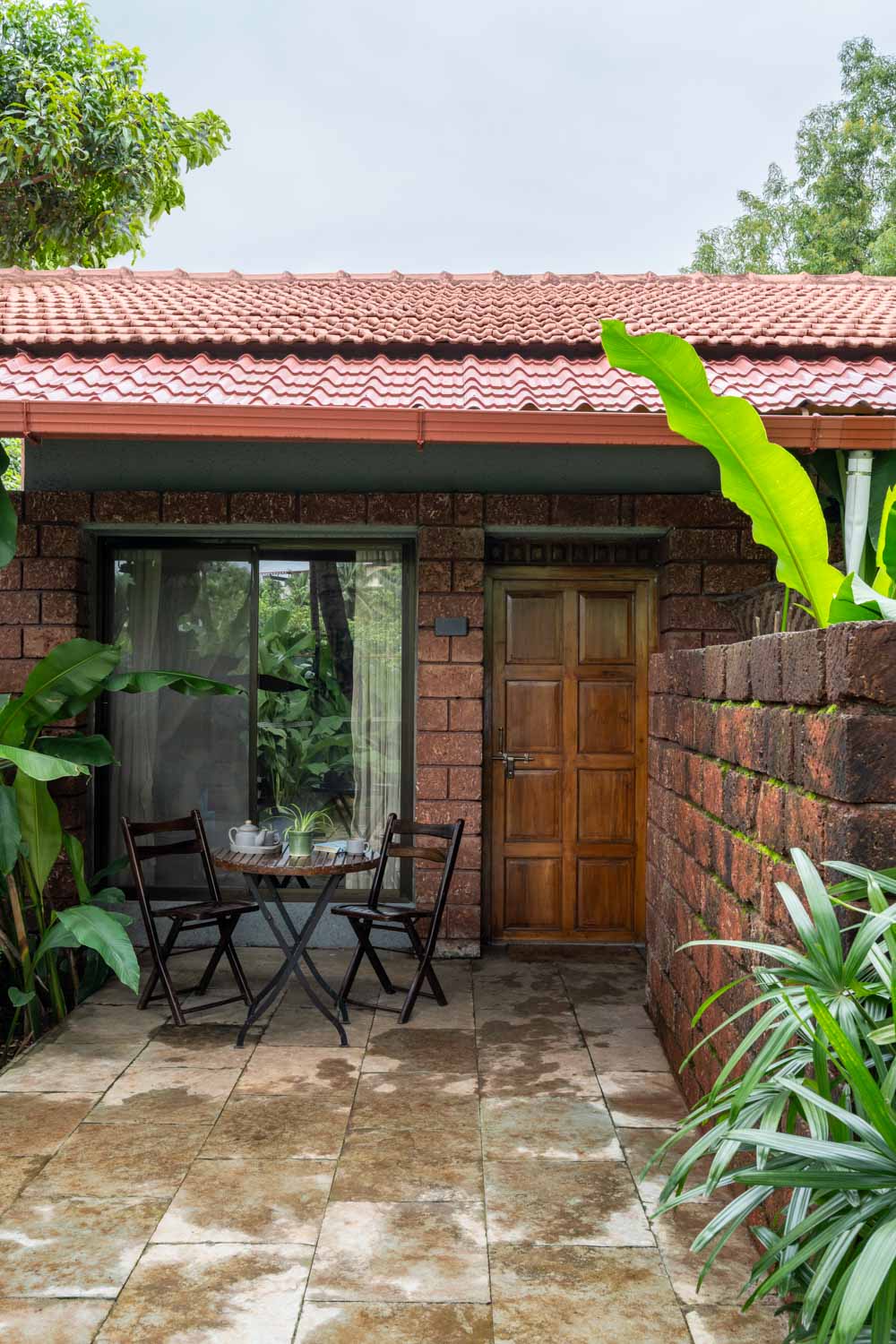
With this approach in mind, the architecture was conceived as a series of light interventions. Rather than imposing large structures upon the terrain, the built spaces were carefully woven into natural clearings within the orchard. Villas and cottages were placed with sensitivity so that the majority of trees could remain undisturbed. In several areas, solitary betelnut trees from the earlier plantation were intentionally preserved as living reminders of the land’s history.

The buildings themselves follow a horizontally composed language that respects the scale of the orchard. Their modest proportions and restrained volumes allow them to blend into the landscape rather than dominate it. The architecture quietly dissolves into its surroundings, creating a sense of warmth and authenticity that welcomes visitors without overwhelming the environment.

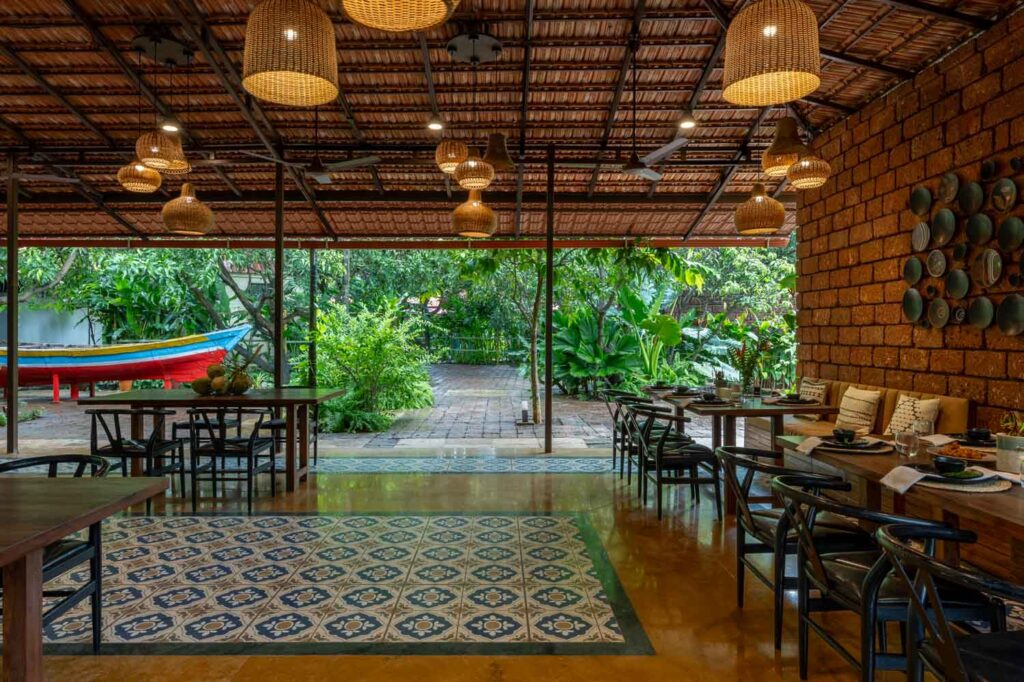
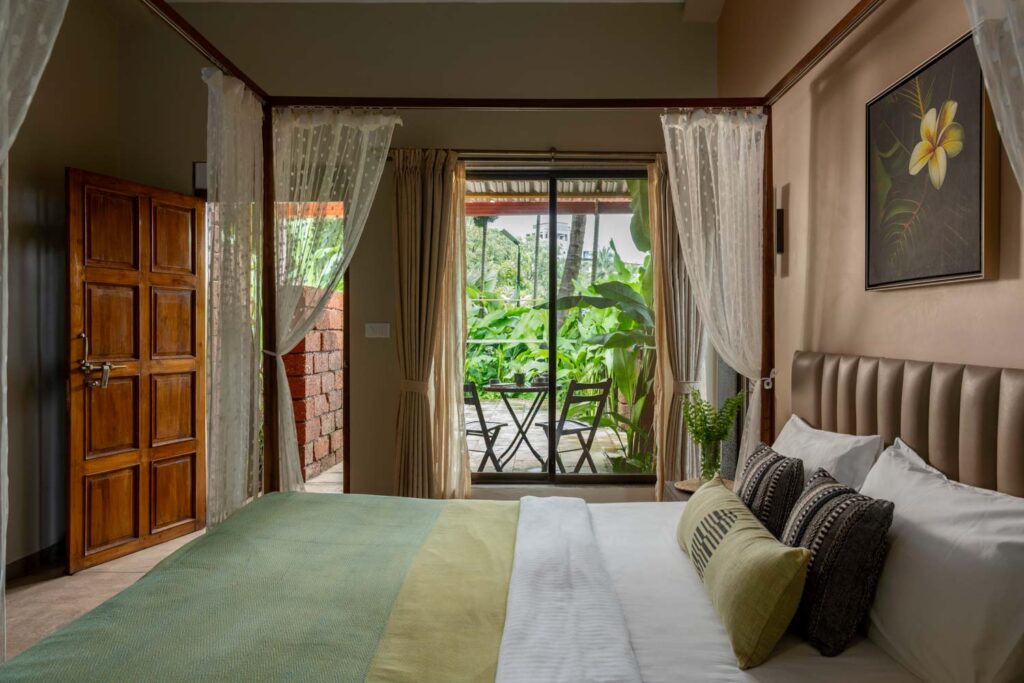
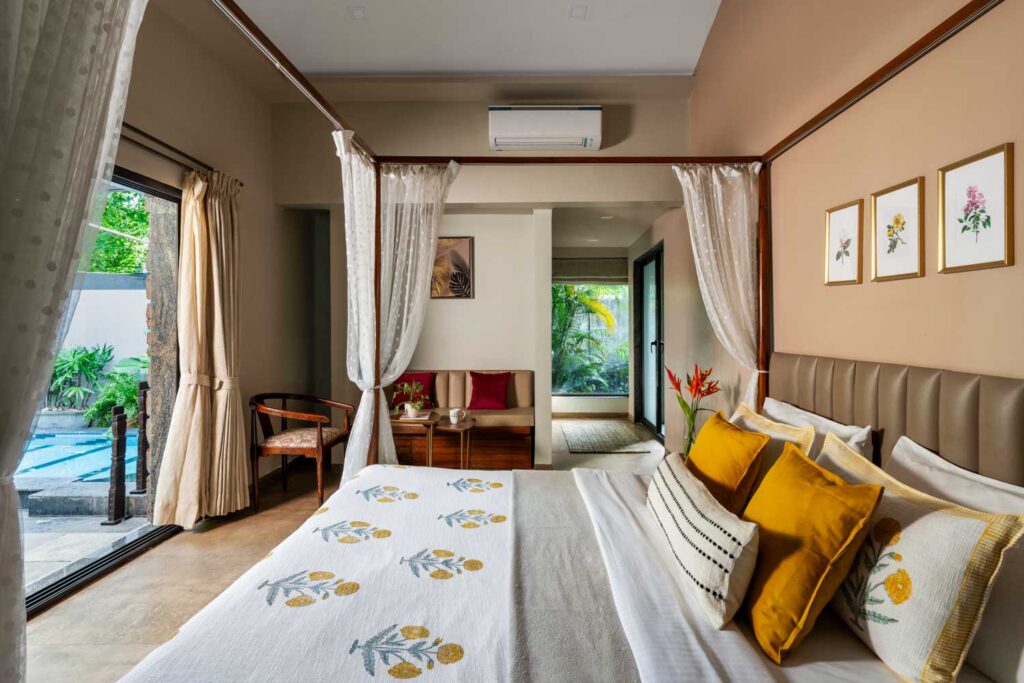
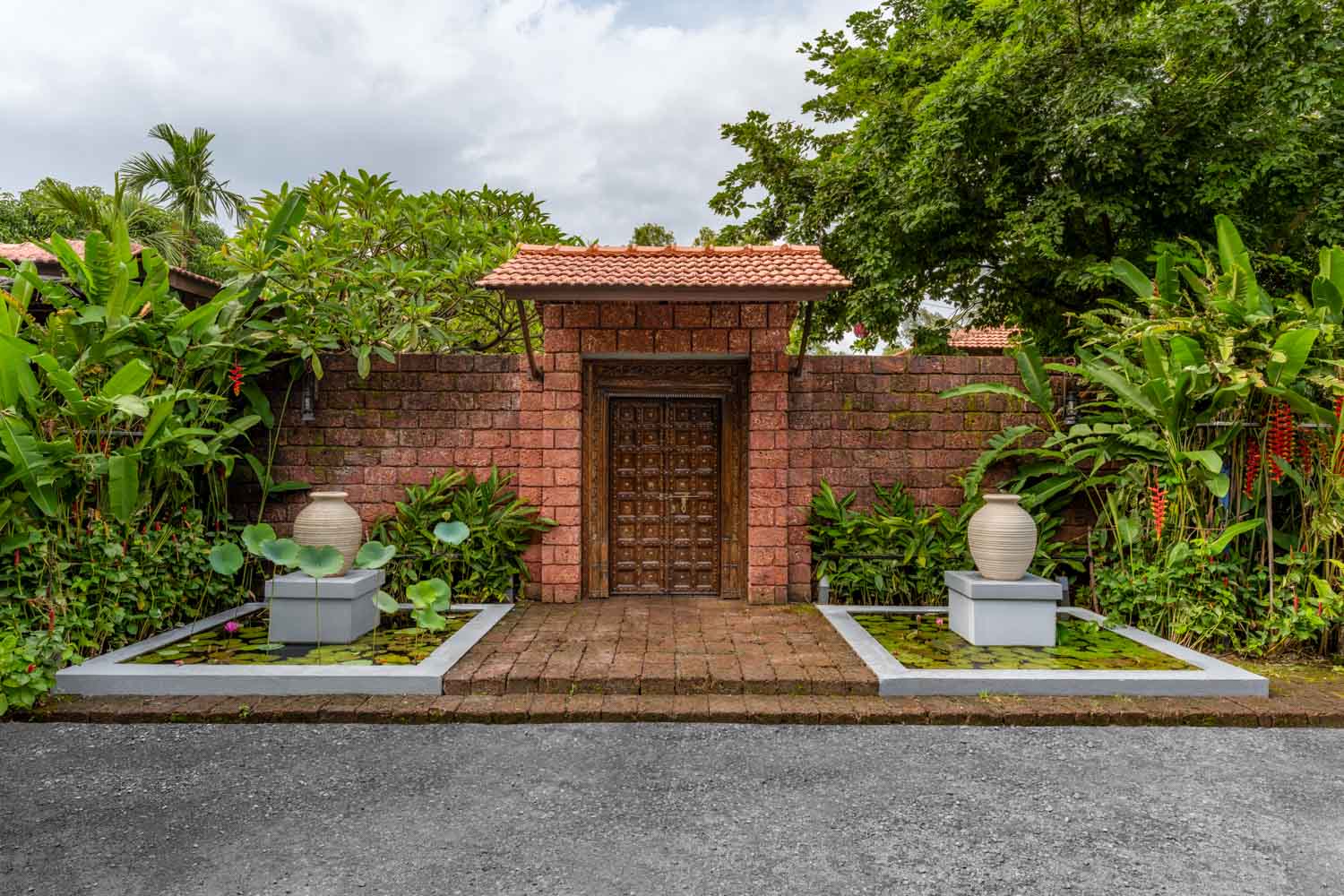
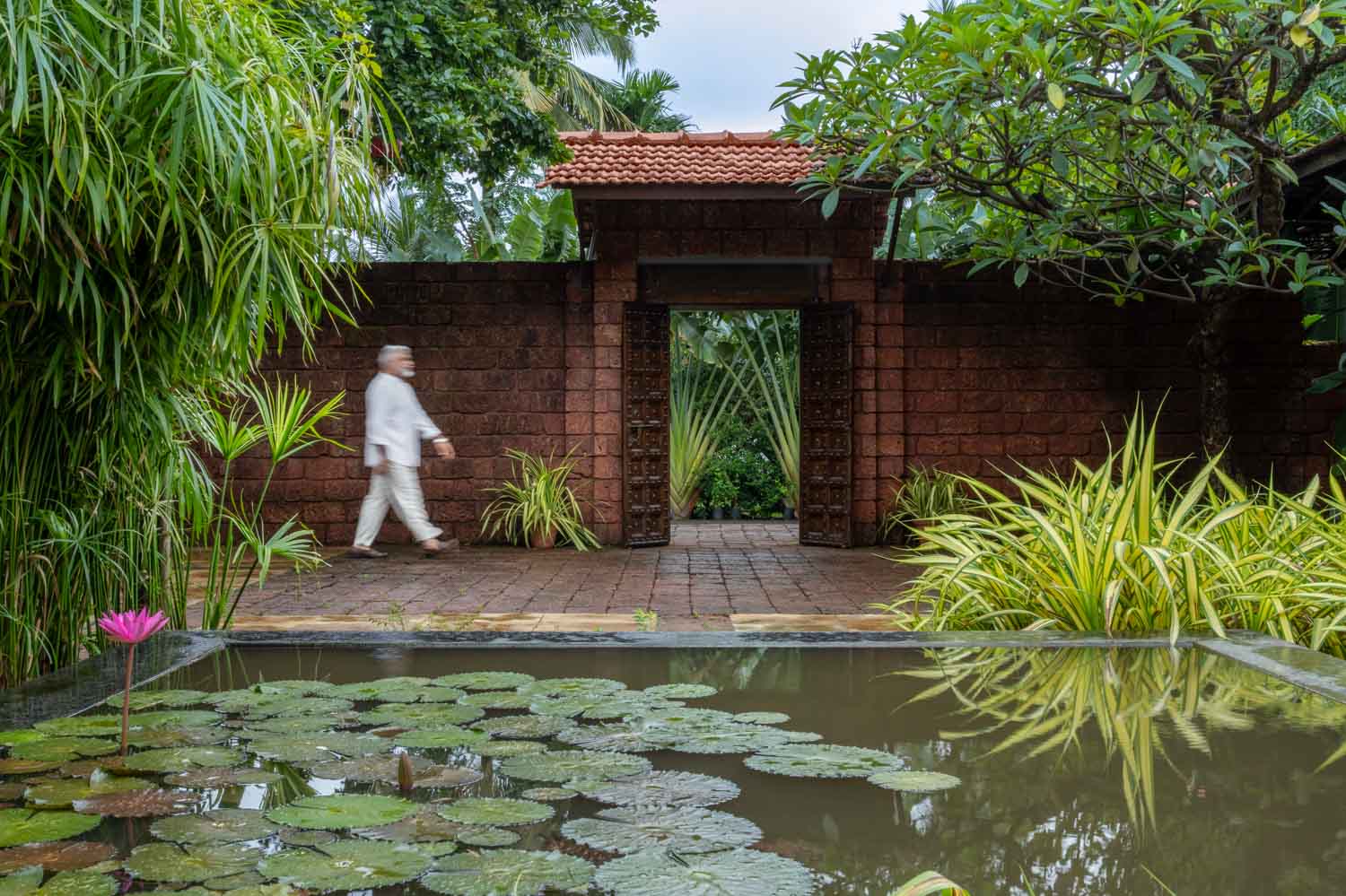
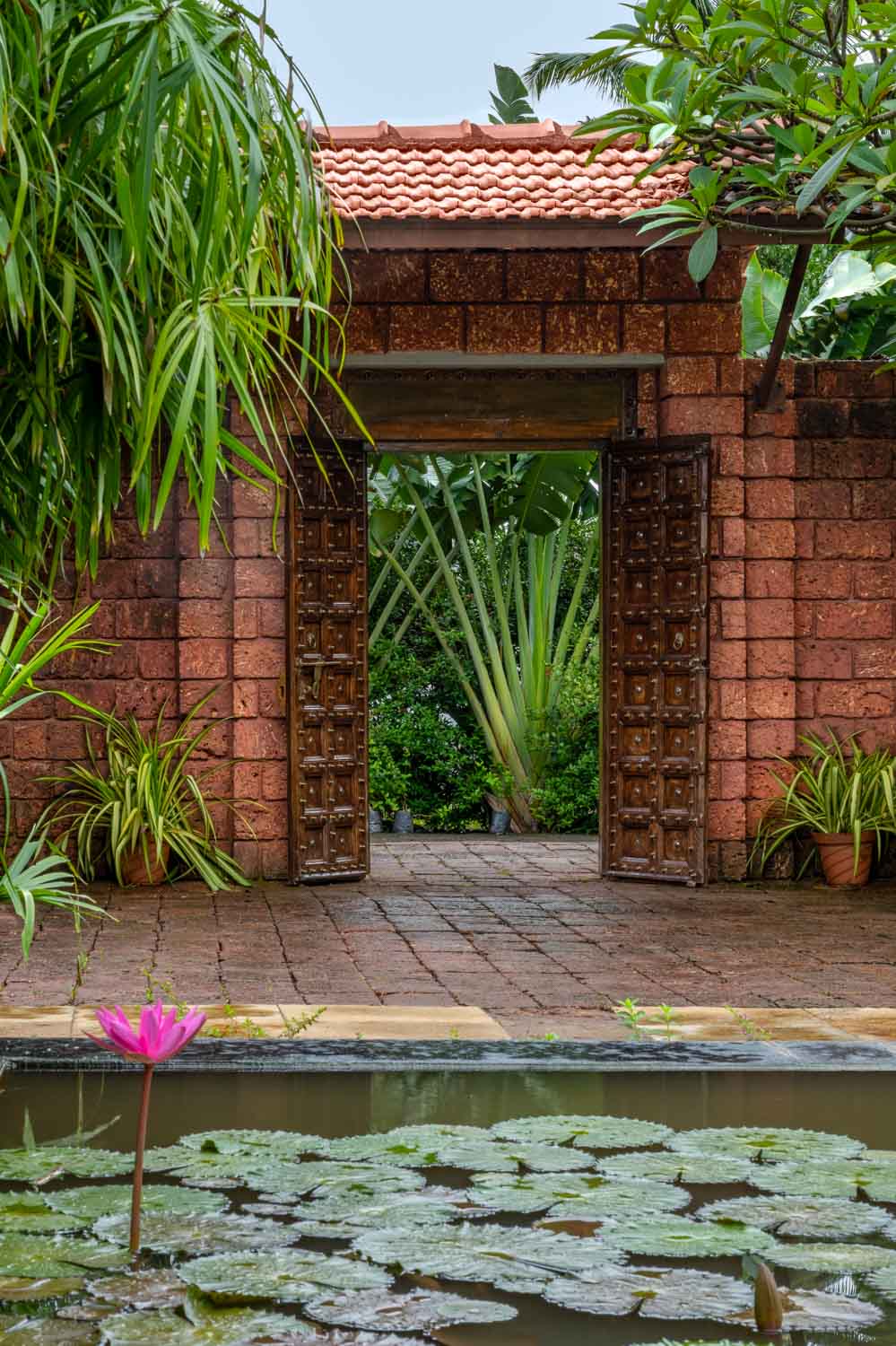
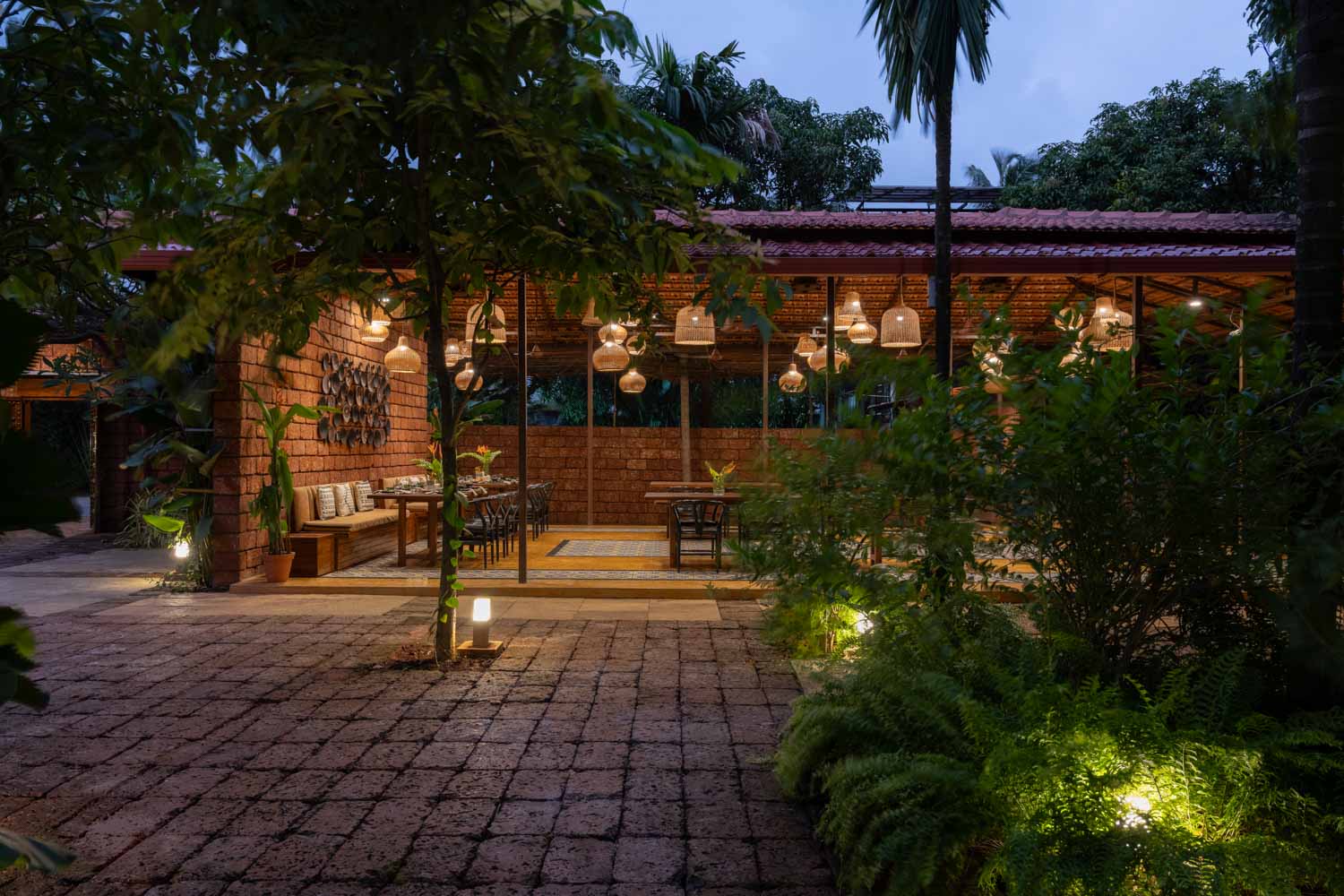
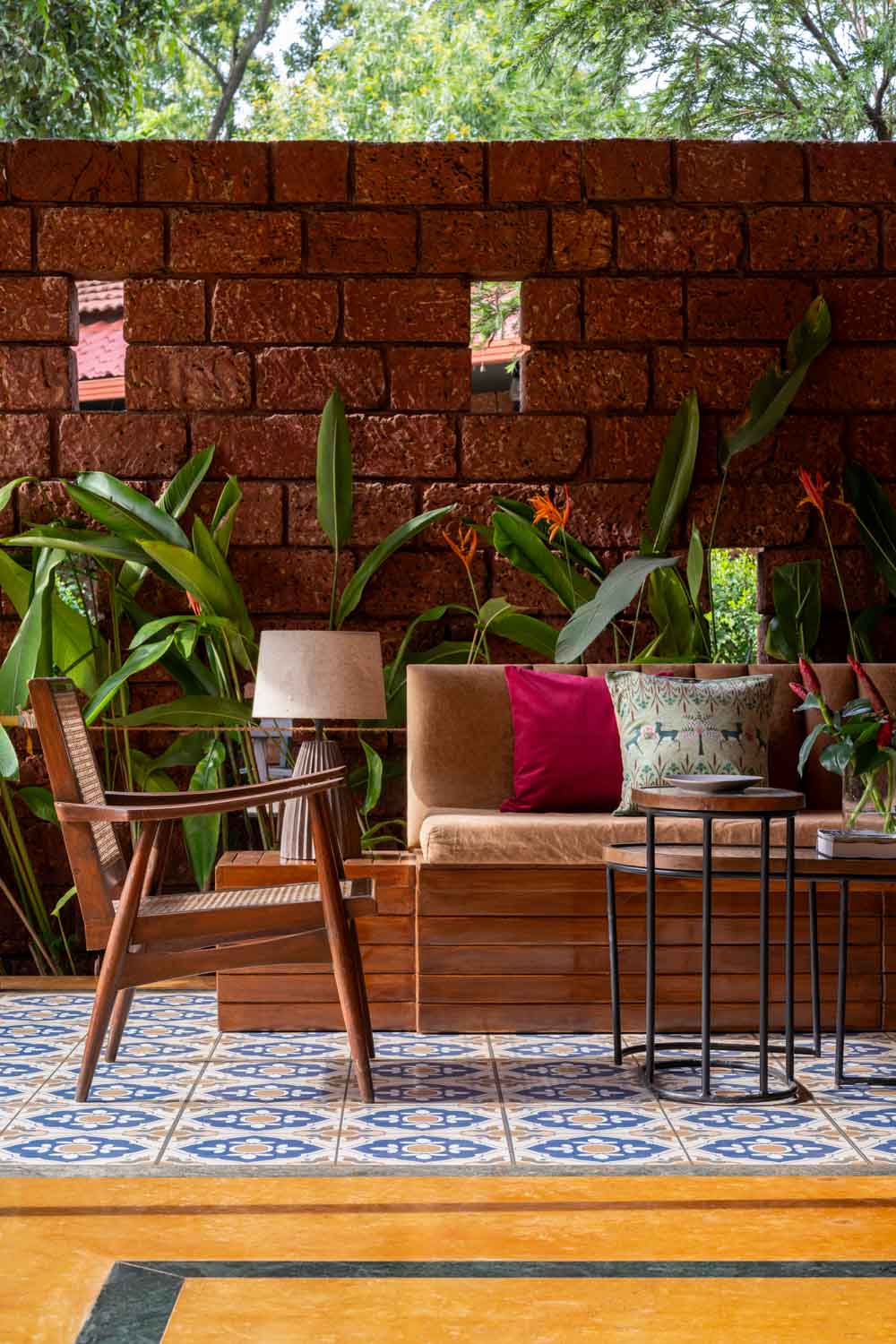
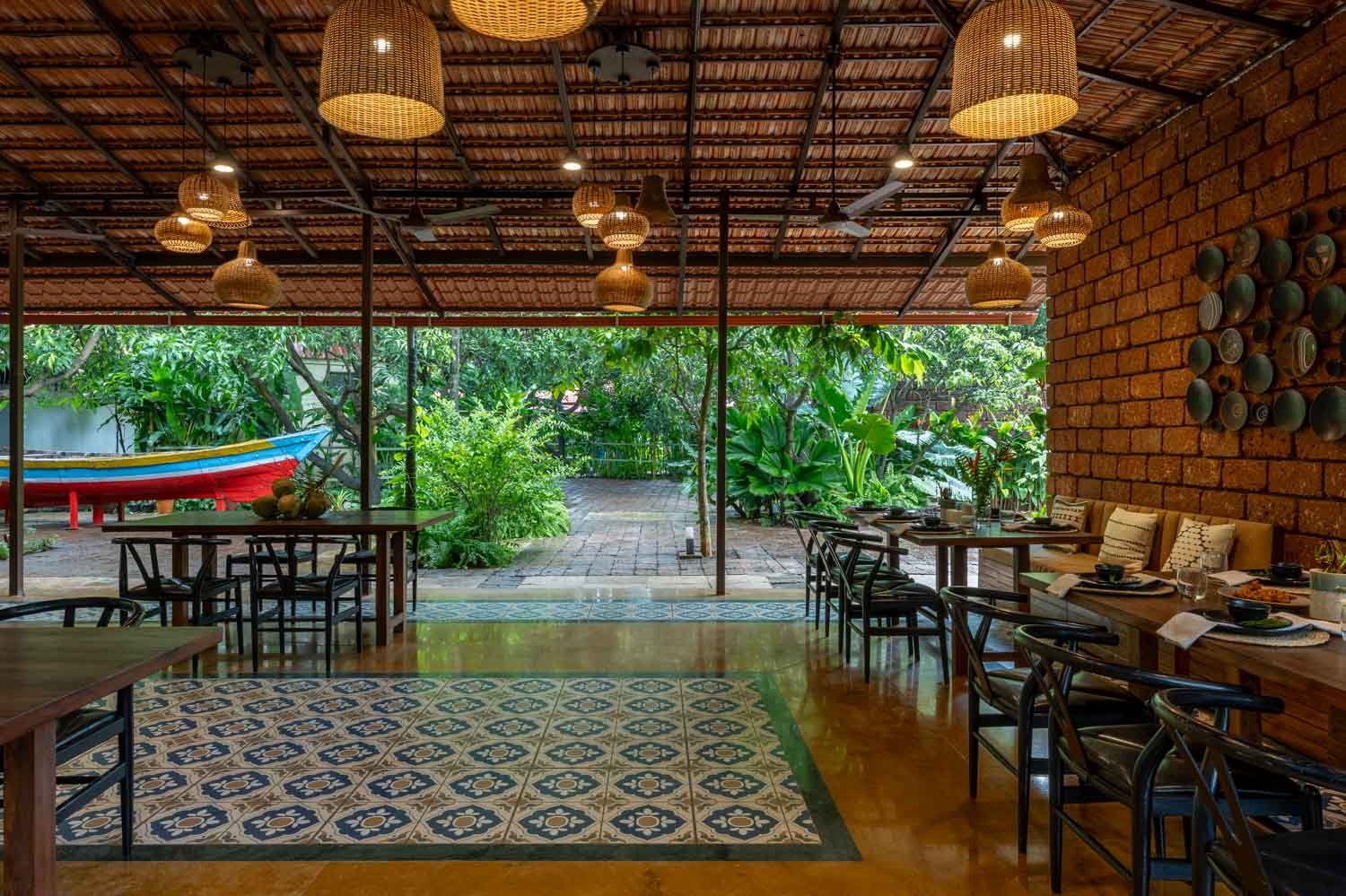
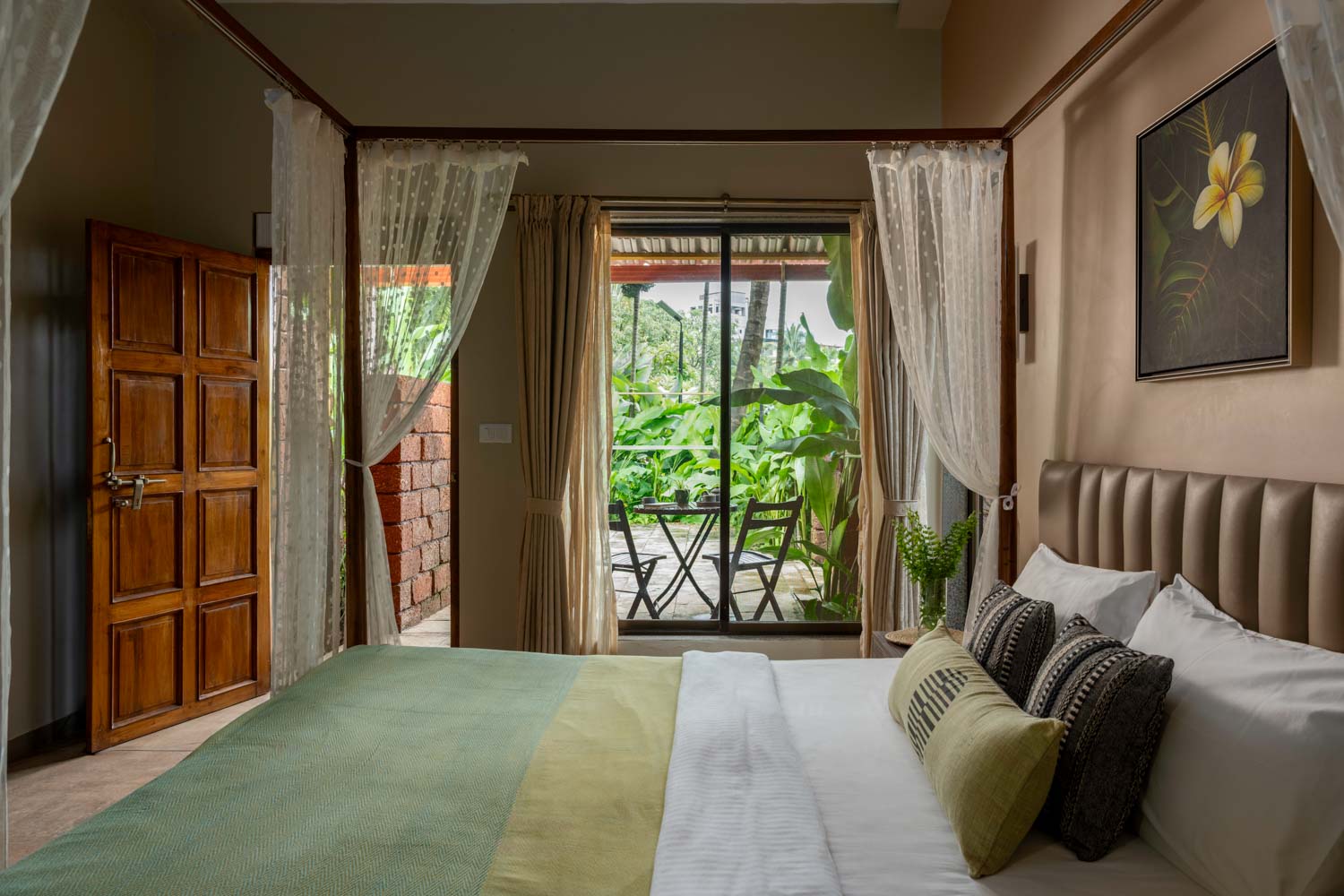
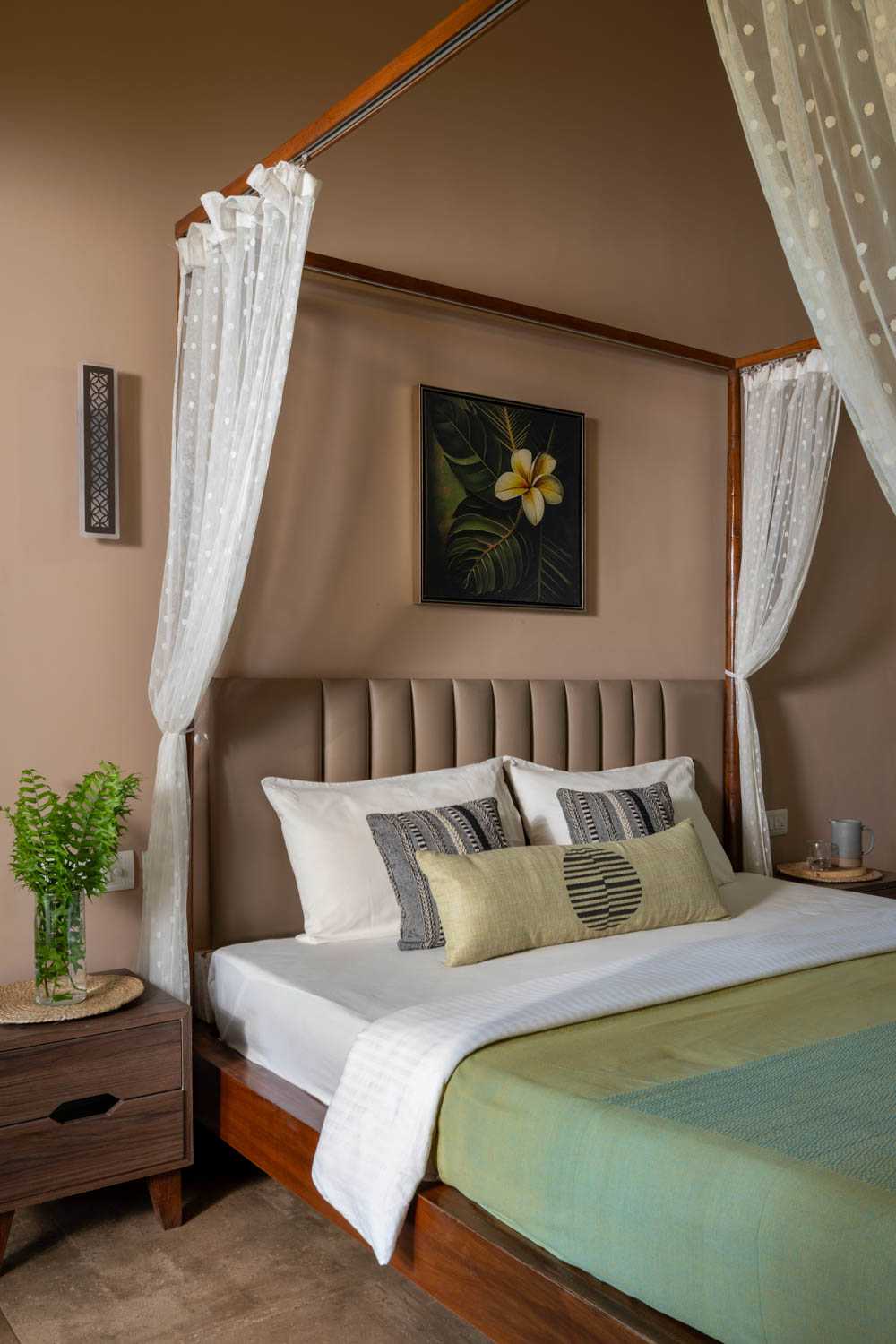
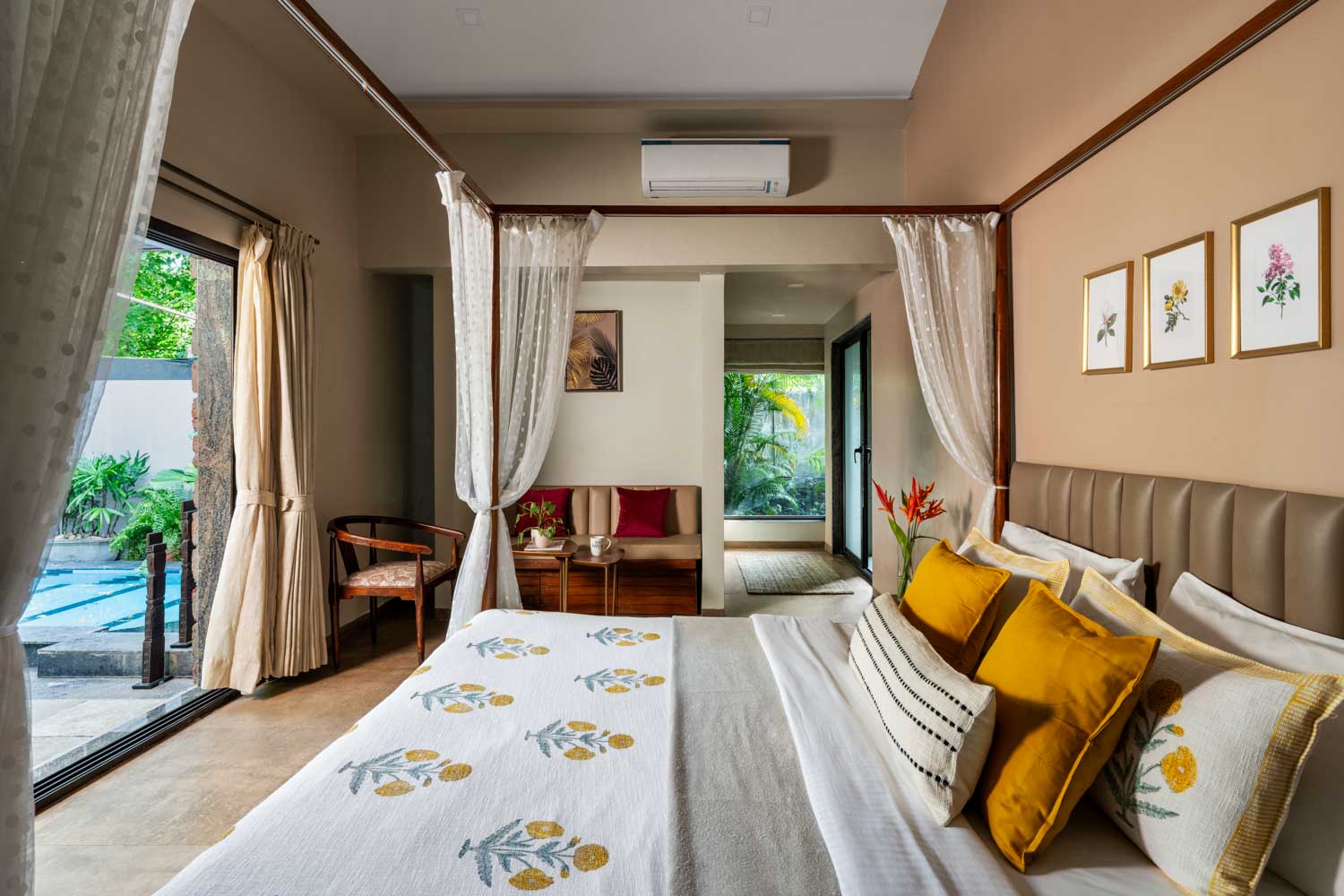
AAMRAI draws deeply from the cultural identity of the Konkan region. The intention was not simply to build a destination but to create an experience that reflects the character and rhythm of the place. Every material choice reinforces this connection. Locally quarried laterite stone forms the backbone of the structures, paired with native timber, handmade tiles, and artisanal elements crafted by local hands.

This palette creates a setting that feels familiar and grounded while still carrying a sense of refinement. The atmosphere recalls the spirit of a traditional tropical farm stay, where simplicity becomes the defining expression of comfort and luxury.

Sustainability is woven naturally into the life of the resort. The project was realized through close collaboration with local craftsmen and artisans, celebrating regional knowledge and strengthening community participation. The use of locally sourced materials helped reduce environmental impact while preserving the authenticity of the architecture.

Across the resort, handmade earthenware appears in dining and living spaces, adding tactile richness to the experience. Meanwhile, the orchard continues to thrive as an essential part of daily life. Its harvest of mangoes, amla, lemons, pomelo, and coconuts becomes part of the resort’s cuisine and atmosphere, connecting visitors directly to the rhythms of the land.

AAMRAI ultimately unfolds as more than a place to stay. It is a living narrative of renewal, respect, and quiet transformation. Through its careful dialogue between architecture and landscape, the project demonstrates how built spaces can coexist with nature in gentle equilibrium, each enriching the other with grace, vitality, and soul.

Project Name : AAMRAI Resort
Project Location : Alibaug, India
Architect/Interior Designer : Pentaspace Design Studio
Principal Architect/Designer : Harsh Pote

Photographer: PHX India

Design Essentia Magazine

specially curated by the editorial team at Design Essentia Magazine.

Previous Story

Earthluxe Living / Sumessh Menon Associates

Next Story

Fragrance of Earth / Neelesh Chopda Architecture

Latest from ARCHITECTURE